Mike Rothenberg, an Austin-area native, Stanford grad, will join fellow Texan, Elizabeth Holmes, a Houston-native who attended Stanford, in jail for committing fraud in another Silicon Valley scheme. Raise them in Texas, and then send them to the Hoover Institute at Stanford, an institution that promotes personal and economic liberty, free enterprise, limited government, and an every-man-for-himself philosophy, and this is what results.
Mike Rothenberg, fraudster extraordinaire, at Stanford, teaching others how to defraud the capitalistic system.
Delivered by a jury in Northern California, the verdict ends a 10-year journey for Rothenberg, who burst onto the Bay Area scene in 2013 at age 27 with a $5 million fund and gobs of BS to persuade some of the hysterical mass media at TechCrunch that his one-man firm was special enough to merit coverage. Known as Silicon Valley’s party animal, this guy differentiated himself by using other people’s money to have lavish parties for entrepreneurs. Rothenberg, a Jehovah’s Witnesses, apparently believes that the destruction of the present world system at Armageddon is imminent, and the establishment of God’s kingdom over earth is the only solution to all of humanity’s problems. So in the meantime, let’s create destruction as we self-aggrandize. Jehovah’s Witnesses are known for their door-to-door preaching of nonsense, so Mr. Rothenberg was well educated in the art of persuading people to believe BS.
As described by the San Francisco Standard, “Free massages for startup founders, hot-air balloon rides in Napa, box seats at Golden State Warriors games: Such was the life for those in the constellation of Rothenberg Ventures, a venture capital firm that was the toast of the Silicon Valley world during its brief heyday in the mid-2010s. The company’s excessive practices became notable enough to be skewered by an episode of the HBO tech satire Silicon Valley.” The $5 million funding that started the company, according to Bloomberg, came from friends, family and former classmates at Stanford University and Harvard Business School.
In our capitalistic system, where good-ole-boys give each other money, Rothenberg assured one investor, who put $2 million into Rothenberg’s River Studios in early 2016, that their investment would be put into the company; in actuality, Rothenberg used much of that money to pay back funds that he borrowed from these guys.
By the end of December 2015, Rothenberg had deceived Silicon Valley Bank (SVB), another recently fallen star in the tech ecosystem, led by a guy from Indiana who now lives on the high hog in Hawaii. These guys suck money from the middle class to orchestrate their self-aggrandizing schemes. It’s the Ronald Reagan deregulated, Neoliberal hellscape that we live in. Rothenberg sought to obtain a $4 million credit line from the bank so as to cover up a shortfall he didn’t want investors to know about. While doing this, he apparently made “false statements and misrepresentations” to SVB. But who cares if he’s lying, we’re all gonna make money at the expense of the working stiffs (hehe). Rothenberg misrepresented the size of the company’s 2015 fund and the fees they collected in connection with managing the fund.
At this point, it was clear that something was wrong. In July 2016, the U.S. Securities and Exchange Commission opened an investigation into the company—after an employee tipped the agency off to the company’s misconduct. Come August 2016, Rothenberg Ventures faced an exodus of top brass—including two C-suite executives and a partner. Now that they had made their money, before the SEC caught on to their schemes, it was time to jump ship to avoid jail. Knowing when to pull-out is critical to making money and staying out of jail. It’s the timing method, and as a Jehovah’s Witnesses, Mike was apparently not well schooled in the timing method and pulling out when screwing people.
Israel helped to create Hamas, and now the blowback has occurred.As the Times of Israel has written, ” The premier’s [Netanyahu] policy of treating the terror group as a partner, at the expense of Abbas and Palestinian statehood, has resulted in wounds that will take Israel years to heal from.” Continuing the Russian tradition of slaughtering indigenous people, the right-wing Russian Jews in Palestine are at it again – this time using US made and funded tools of genocide against Semites, in this case Palestinians.In the religious struggle between the Jewish State of Israel and the Islamic Republic of Iran, no one wins and the indigenous people of Palestine lose.The great Jewish leader of Russia, Vladimir Lenin (his mother had Jewish ancestry), told the Zionists long ago, the idea of a Jewish nationality contradicts the interests of the Jewish proletariat, creating in it, directly and indirectly a mood hostile to assimilation, the mood of a ‘ghetto.’ Lenin was prophetic.
In college, two of my friends with whom I often ate lunch were from Palestine. They had dark hair, dark eyes, dark skin, and their families had lived for many generations in Palestine. My friends explained how Palestine had been a prosperous, beautiful place where Jews, Muslims, and Christians lived and worked together. They told me of their family’s ordeal of being driven off their land by invading Zionists from Russia and Poland, and their houses stolen from them. Family members had been tortured by the invaders. My college friends told me they were Jewish. These friends were true Semites (indigenous people of the Middle East) whose family had never deserted their Palestinian homeland. They were not Zionists. They were not religious fundamentalist who believed in some 2,000 year old fairy tale written by overly religious cultists, rather they fit in harmony with others who had different religious beliefs. Like my mother’s Jewish family in Germany, they weren’t driven to create some right-wing fundamentalist society based on ancient tribal instincts. My mother’s family had fit-in with the society in which they had chosen to join. Likewise, my Jewish college friends from Palestine had for generations fit-in with a multi-religious community in their land. As Prof. Dr. Jerome Slater, Ph.D. has written, “The argument that 2,000 years ago the Jews were predominant in Palestine until they were driven out by the Romans has long been shown by archaeologists and historians to have little foundation.” This is but more religious nonsense in support of: the blue-eyed, blonde haired Jews from Russia, the Zionists, who erroneously called themselves Semites, destroyed, during the Nakba, the multi-religious Semitic culture in Palestine.
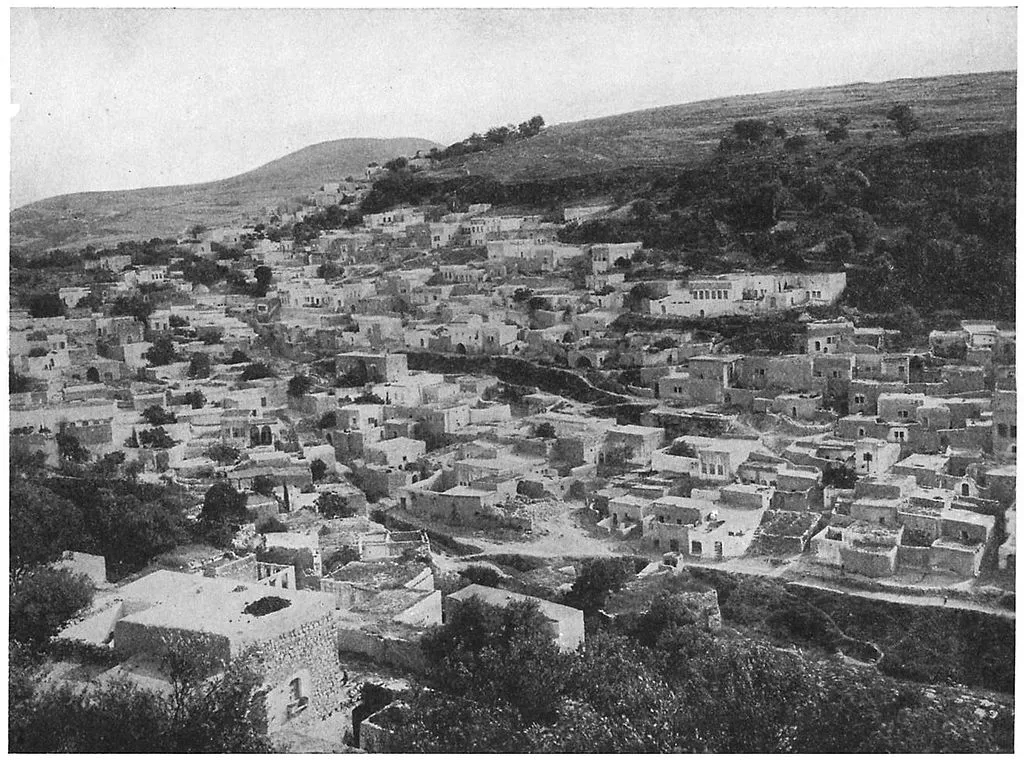
Safed, Palestine (1908). Captured by Zionists in the 1940s and now part of Israel.
On the eve of the Bolshevik Revolution, Russia had the largest number of Jewish citizens of any country, more than 5 million. Despite the Jews’ reputation for espousing socialism and Communism, the majority of them favored Zionism. Thus in elections held in 1917 to the All-Russian Congress, Zionist candidates won 60 percent of the votes. The Zionist parties received more than two-thirds of the votes given to Jewish parties in the elections to the Constituent Assembly. In these elections, the provinces of the so-called Pale of Settlement, which had large Jewish minorities, gave a considerably smaller vote to the Bolsheviks than did the Russian provinces.
The Bolsheviks, under the great Jewish-Russian Vladimir Lenin’s influence, were fiercely anti-Zionist. When Theodor Herzl founded the Zionist movement in Basel, Switzerland, in 1897, the majority of his followers were from the Russian Empire, and the movement as a whole gained a large amount of support in Russia in the subsequent two decades. In 1903, Lenin described the “Zionist idea” as “entirely false and reactionary in its essence.” In 1905 he wrote of Jewish nationalism in general and of Zionism in particular: “the idea of Jewish “nationality” bears a clearly reactionary character. The idea of a Jewish nationality contradicts the interests of the Jewish proletariat, creating in it, directly and indirectly a mood hostile to assimilation, the mood of a ‘ghetto.’” Soon after seizing power in Russia, the Bolsheviks began to harass and arrest Zionists. This despite the fact, documented in this volume, that Feliks Dzerzhinskii, the head of the secret police, opposed the persecution of Zionists. In a letter of March 1924, addressed to his deputies, he wrote, “I do not understand at all why [Zionists] are persecuted. … The majority of their attacks on us are based on our persecution of them. Persecuted, they are a thousand times more dangerous for us than they would be not persecuted.” Nevertheless, persecuted they were, and more with each year.
Conditions for Zionist activity in Soviet Russia worsened appreciably in the mid-1920s. In 1924 thousands of Zionists were arrested, 3,000 in a single day. At this point, a prominent pianist who was friendly with Lev Kamenev, David Shor, proposed that instead of being imprisoned or exiled, active Zionists be allowed to emigrate. There was a precedent for such a solution. In 1922, several imprisoned Mensheviks were permitted to leave Soviet Russia. In July of that year, Lenin told Iosif Stalin that he wanted the leaders of the Socialist-Revolutionary Party expelled from the country. Later that year, the state security organs arrested and deported 120 anti-Soviet intellectuals who were forced to sign vouchers in which they acknowledged that if they refused to leave or tried to return they would be subject to execution.
Shor’s proposal was for voluntary exile abroad instead of confinement. Under his influence, beginning in 1924 and through the early 1930s, some arrested Zionists were given the opportunity to emigrate to Palestine. Thanks to British cooperation, described in detail in the book, Exiled to Palestine, the would-be immigrants reached their goal. Ziva Galili estimates their number at 1,200-1,300. This trickle would become a flood: a few decades later. After the dissolution of the USSR, more than a million Russian Jews emigrated to Israel, and today they constitute some 15 percent of that country’s population.
As the Russian exiles fled to Palestine, they massacred many of the natives, including other Jews. Here are five of the Zionist-led massacres that took place. From Israeli news, Haaretz, “Cabinet minister Haim-Moshe Shapira said that all of Israel’s moral foundations had been undermined. Minister David Remez remarked that the deeds that had been done remove us from the category of Jews and from the category of human beings altogether.” In the Russian tradition of slaughtering indigenous people, the Russian Jews in Palestine were at it again.
Balad al-Sheikh
On December 31, 1947, the first large attack by the Haganah Zionist militia took place against the village of Balad al-Sheikh, east of the port city of Haifa, in which 60 to 70 Palestinians were killed, according to Walid Khalidi’s book, All That Remains.
The raiding militia’s orders were to kill as many adult males as possible. A force of 170 men from the Palmach (an elite force of the Haganah) fired their weapons and blew up houses, then pulled out adult males and shot them. According to the Haganah General Staff, two women and five children were also killed, with an additional 40 people injured. Several dozen houses were also destroyed during the attack.
After the massacre, on January 7, 1948, many families fled the village. By late April of that year, Zionist forces had occupied it.
Before the massacre, in 1945, the village was the second-largest in historical Palestine in terms of population. It was famous for the tomb of Izz al-Din al-Qassam, a preacher whose death in action against British forces sparked a revolt against the British occupation in 1936. Today the cemetery, which lies in what was renamed the Nesher township, is in a state of neglect.
(Al Jazeera)
Saasaa
Two massacres were carried out by the Haganah in 1948: One in mid-February and another at the end of October. According to Khalidi’s book, on February 15, a Palmach force raided the village of Saasaa and detonated explosives inside several homes, destroying 10 houses and killing “tens”, according to Haganah estimates. The New York Times reported at the time that 11 people were killed, five of them children, with 14 houses also destroyed.
The second massacre was perpetrated on October 30, when “mass murder” took place, according to Israel Galili, the former head of the Haganah National Staff. The exact numbers of those killed are unclear, nor are there detailed accounts of the killings, according to All That Remains. The village was eventually depopulated.
Before 1948, the village was known for being at an intersection that linked many urban centres, including Safad. It was dotted with water springs, apple and olive trees, as well as grape vines. In 1949, an Israeli settlement by the same name was established on the village site.
Deir Yassin
On April 9, 1948, more than 110 Palestinian men, women and children were slaughtered in one of the most heinous crimes carried out by Zionist forces. The massacre took place in the once-prosperous village of Deir Yassin on the western outskirts of Jerusalem. The New York Times reported at the time that half of the victims were women and children.
Those who were captured were rounded up and paraded through the Old City of Jerusalem by the Zionist forces. Some were then taken to a nearby quarry and executed. Others were taken back to the village and killed.
The massacre at the village – home to an estimated 750 residents who lived in the 144 houses, according to the Institute for Palestine Studies – became one of the most horrific events to have impacted the exodus of Palestinians.
According to Zochrot, an Israeli NGO that works to support the full right of return of Palestinians who were expelled during the creation of Israel, 55 young children were orphaned as a result of the massacre.
Palestinian activist Hind al-Husseini, who was 31 at the time, found the orphans near the Church of the Holy Sepulchre in Jerusalem’s Old City. On April 25, two weeks after the massacre, Hind founded Dar Al-Tifel Al-Arabi at her family’s mansion. The organisation catered to Deir Yassin orphans, and later to orphans from all over Palestine.
Today, a psychiatric hospital stands on the remains of some village houses. What used to be the city centre is now a bus station. In 1949, the settlement Givat Shaul Bet was established on the ruins of Deir Yassin as an extension of the earlier settlement built in 1906. In the early 1980s, the usurpation of the village’s lands continued, when the Haf Nof settlement was established. Under international law, all settlements built on Palestinian lands are illegal.
Bullet-riddled cacti are seen in the village of Deir Yassin, where more than 100 Palestinian Arabs, predominantly women, children and the elderly, were massacred by Irgun-Stern raiders, April 1948 [File: AP Photo]
Saliha
On October 30, 1948, a massacre was perpetrated by the Sheva (Seventh) brigade of the Israeli army. According to various accounts, including by the Haganah National Staff’s Israel Galili, to Israeli historian Benny Morris, troops entered the village and blew up a structure, believed to have been a house or a mosque, killing the 60 to 94 people who had taken refuge inside.
The village was completely depopulated except for what was probably the elementary school. Of what remains of Saliha’s built structures today, Walid Khalidi writes: “The only remaining landmark is a long building (which may have been a school) with many high windows.”
The site is a flat, cultivated area, with most of the surrounding land planted with apple trees by Israeli farmers. The Israeli settlements of Yir’on and Avivim are now located on the former lands of Saliha.
Khalidi describes the village as one that “once stood on a plain at the edge of a steep wadi [ravine], called Wadi Saliha” in the Upper Galilee Mountains near the border with Lebanon. Salman Abu Sitta, author of the Atlas of Palestine, estimated that the number of registered Palestinian refugees from Saliha in 2008 was more than 8,000 people.
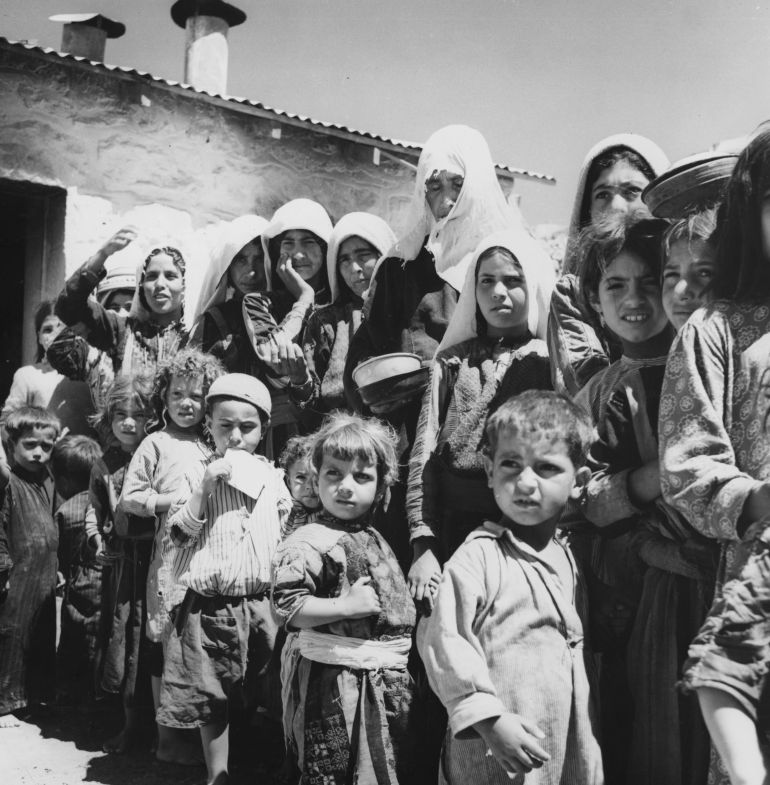
Palestinian refugees queue by the food tent in their camp in Amman, Jordan [File: Three Lions/Getty Images]
Lydda (Lydd/Lod)
On July 9, 1948, Zionist forces launched a large-scale military operation known as Operation Dani, which aimed to occupy the cities of Lydda and Ramla. Between July 9 and 13, militias killed dozens of Palestinians, perhaps as many as 200, according to Salman Abu Sitta’s Atlas of Palestine. A city-wide massacre led to a “death march” or mass expulsion of Palestinians.
“The massacre took place in two stages: the first during the time of the city’s occupation, and the second during the operation of mass expulsion of its residents, which is considered one of the largest acts of ethnic cleansing (‘transfer operations’) carried out by the Israelis,” states the Interactive Encyclopedia of the Palestine Question.
Israeli militias expelled between 60,000 and 70,000 inhabitants of the two towns and refugees from nearby villages under direct orders from Yitzhak Rabin – who was at the time director of operations for Operation Dani – with David Ben-Gurion’s agreement. Those who sought shelter in the Lydda mosque were massacred. Between 80 and 176 people inside Dahmash Mosque were massacred with machine guns, grenades and rockets. Twenty-five were killed elsewhere.
The rest were expelled at gunpoint by Rabin in what became known as the “death march” to Ramallah. Old men, women and children fell by the wayside, dying of exhaustion, dehydration and disease.
Money and women’s jewelry were looted at leisure by Israeli soldiers. Some were killed if they resisted. There was so much looting that 1,800 trucks were said to have been loaded with stolen property.
Until his support of Netanyahu, I had been pleased with many of Joe Biden’s policies and would have been likely to support him in the upcoming Democratic primaries. Sadly, this is no longer true. Someone who fuels Netanyahu with money and weapons and supports the genocide ongoing in the Middle East can no longer be supported. I wish a Jewish man had been elected president of the USA – Bernie Sanders, someone who speaks up against right-wing Zionism, as President Carter had done years ago.
A first-of-its-kind California startup has found a way to remove carbon dioxide from the air and store it in concrete. Its factory is east of the company’s San Francisco Bay Area HQ, in Tracy, CA.
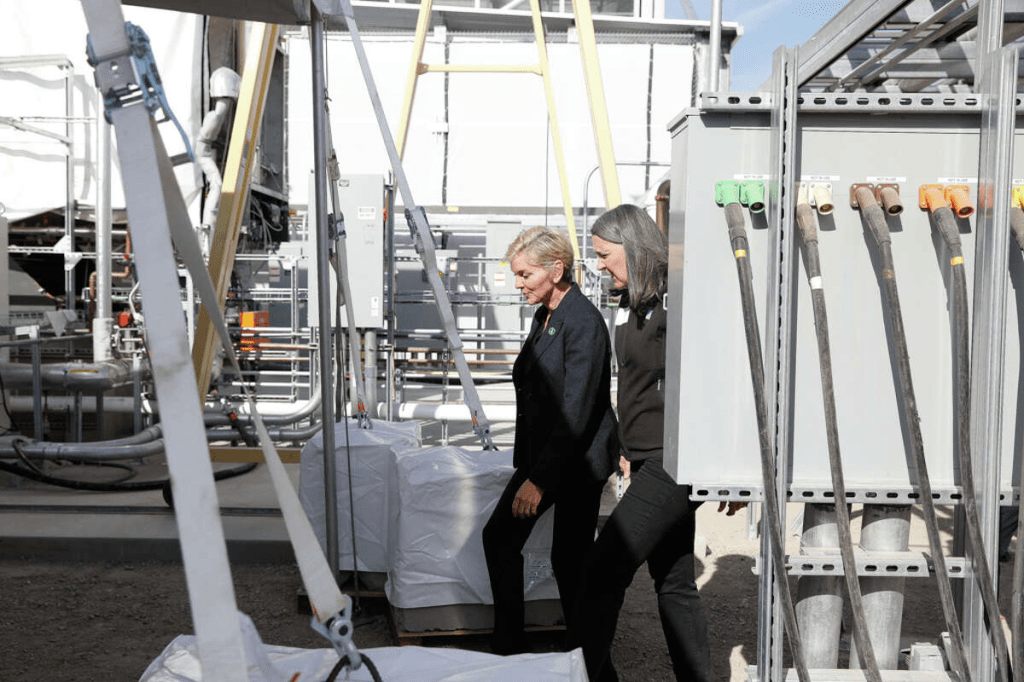
UC Berkeley grad, and former UC Berkeley professor, Jennifer Granholm, Secretary of the Dept of Energy, visits Heirloom Carbon Technologies’ carbon removal plant in Tracy, CA (from San Francisco Chronicle)
Rocks are some of the planet’s most vital carbon sinks. Over geological timescales (thousands of years), CO2 from the atmosphere binds to minerals and permanently turns to rock – a process known as carbon mineralization. Limestone is one of the most abundant rocks on the planet, capturing massive amounts of CO2 from the air over years. Heirloom’s technology accelerates this natural thousands-of-years process to just days. They’ve developed the most affordable and scalable Direct Air Capture technology in the world, offering the highest quality carbon removal credits available for purchase.
The key ingredient to Heirloom’s CO2 direct air capture is heat and limestone, which is made up of CO2 and calcium oxide. The process works like this: CO2 is removed from limestone through heating (900 degrees Celsius) and the CO2 is stored for use in making concrete. After heating, the remaining calcium oxide acts as a sponge and absorbs CO2 from the environment in a direct capture process. Limestone is recreated and then heated to remove its CO2. The CO2 is then stored. The process is repeated. The removed CO2 is stored in concrete, where it can’t escape into the atmosphere, even if the concrete is broken up or recycled. Once new CO2 is reabsorbed into the altered limestone, which takes about three days, the process then starts over again. The Tracy facility has the potential to remove 1,000 tons of CO2 from the atmosphere every year — the work of about 500 trees and using much less space than the trees.
Heirloom is currently in talks to build these plants in other states.
Looking at cities as a whole, not just the downtown, Houston, TX has the highest vacancy rate of 19% while San Francisco is just 16%. Conservative media ballyhoos Austin’s boom, but the office vacancy rate of over 18% for Austin is higher than that of San Francisco. People are leaving Austin, TX as its middling tech scene deteriorates. Even Austin’s chapter of Techstars is gone. And Houston is one of the most violent cities in the USA, but San Francisco is nowhere near the top. The high vacancy rate of 31% in Dallas’ central business district is the same rate as in San Francisco’s downtown area. And with shoplifting up by 73% in Dallas, the doomloop of Texas continues. The same goes for Miami, as many of the tech companies there move to California, or go bankrupt and their founders go to jail for fraud, most of the empty buildings there are condos built through money laundering by foreigners. It’s not a tech scene in Miami, it’s a crime scene. In San Francisco, including downtown, tech is flourishing once again. Over in the Mission Rock area of SF, new companies are sprouting and the financial giant, VISA, just opened its new world headquarters.
Meanwhile, according to a recent study by moveBuddah, a moving and storage service provider, California dominated their top 25 list of fastest-growing wealthy suburbs in the country. And for the best quality of life, including for mid- and low-income residents, head to San Jose, California in the Silicon Valley. Over in Austin, TX, the city has the 5th largest rate of people moving out and the 5th highest number of people being laid-off. Further, Dan Patrick, Lt. Governor of Texas, says Austin is one of the most dangerous cities in the country, and worsening.
A new report from the Lown Institute found over one in five coronary stents surgically inserted by corrupt physicians between 2019 and 2021 were unnecessary, costing Medicare $800 million a year and putting patient-victims at risk of complications such as stroke, heart attack and death.
Waste in health care has long been recognized as a cause of patient harm and excess costs. In 2010, the Institute of Medicine (IOM) called attention to the problem, suggesting that “unnecessary services” are the largest contributor to waste in United States (US) health care, accounting for approximately $210 billion of the estimated $750 billion in excess spending each year. Medicalization starts early in the US, leading eventually to being over drugged and over stented later in life. Infant deaths have risen for the first time in 20 years. The increases were particularly stark among babies born to Native American, Alaska Native and white mothers in 2022. Rates among Black infants remained highest of all. The increase is a grim manifestation of the state of maternal and child health in the United States. Infant and maternal mortality, inextricably linked, are widely considered to be biomarkers of a society’s overall health, and US rates are higher than those in other industrialized countries.
Another recent trend in Medicalized America is unneeded hernia repair using “component separation.” Component separation is a technically difficult and risky surgery. Yet more and more surgeons are using it since 2006, when the approach — which had long been used in plastic surgery — was adapted for hernias. Over the next 15 years, the number of times that physicians billed Medicare for a hernia component separation increased more than tenfold, to around 8,000 per year. That figure is a fraction of the actual number because most hernia patients are too young to be covered by Medicare. This occurs despite the most costly health care system in the world and the gobs of money spent on “health care research” at the NIH (National Institutes of Health). Most of the research dollars spent by NIH are for developing drugs to treat symptoms. And most don’t work.
Researchers warn of the dangers stenting can pose, but there is money to be made in the privatized, deregulated US treatment system. Unnecessary stents, and other unnecessary procedures performed by physicians, such as C-sections, are big money-makers for the people who erroneously insist on being called “doctor.” Complications of stent procedures can include blood clots, abdominal bleeding, kidney damage, heart attack, and death.
Unnecessary stents are great for physicians, but may also cause financial hardships for patients because the procedure typically costs Medicare $10,615, with the patient paying $1,600 out-of-pocket, according to the report. Patients with private insurance may pay more, including privatized, corporatized Medicare Advantage plans. Remember, Medicare Advantage is neither Medicare, nor an advantage. Cardiac procedures cost private insurance companies on average more than $20,000, according to a 2022 study published in JAMA Internal Network.
Such a money-maker are these procedures for physicians, that an unnecessary coronary stent is inserted into a U.S. patient every seven minutes, costing Medicare upwards of $2.44 billion between 2019 and 2021. The researchers studied at over 1,700 general hospitals nationwide and found more than 229,000 procedures were nonessential, estimating over 20% of stents were placed unnecessarily across the three-year period.
In the SF Bay Area of California, Kaiser Permanente has one of the lowest rates of unneccessary stents, with a rate of 1.5%. In states such as Texas, where tort reform prevents people from suing their physician-perpetrators for unnecessary medical procedures, Northwest Texas Hospital and Riverview Regional Medical Center in Alabama were the hospitals with the highest rates of unnecessary coronary stent procedures, totaling 52.58% and 50% of their procedures, respectively. The physicians running the hospital in Texas that is purposely harming patients for profit are : Teresa Baker, MD, Emilio Belaval, MD, Jesus Garcia, MD, Mazin Saadaldin, MD, and Brian Weis, MD.
The percentage you’re paying is too high priced While you’re living beyond all your means And the man in the suit has just bought a new car From the profit he’s made on your dreams But today you just read that the man was shot dead By a gun that didn’t make any noise But it wasn’t the bullet that laid him to rest, was The low spark of high-heeled boys
Steve Winwood and Traffic
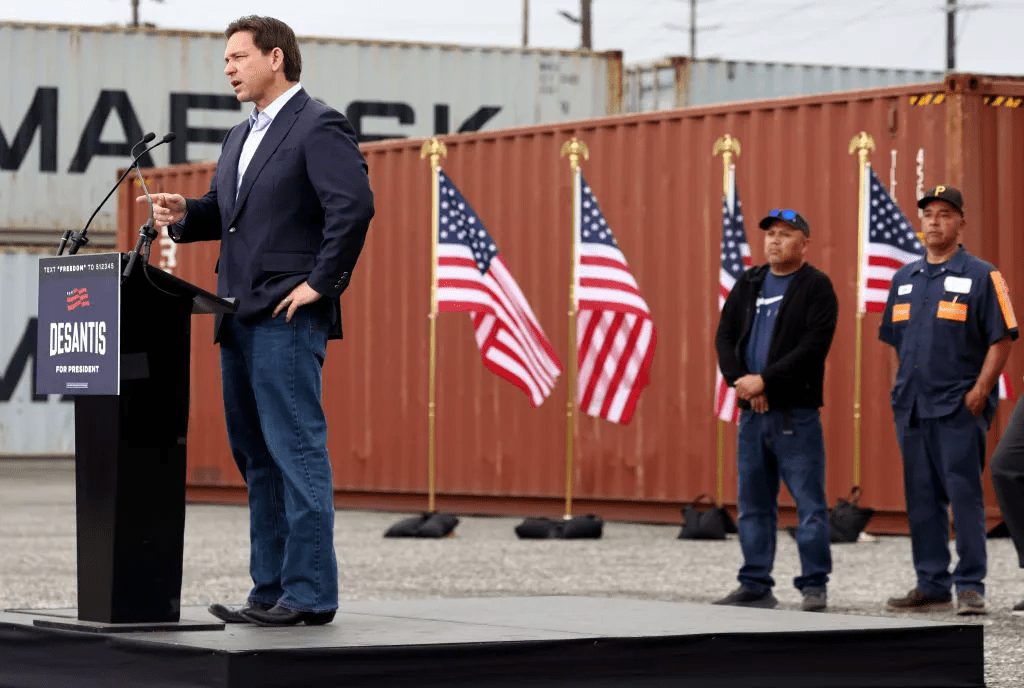
Looks like some bigots won’t be short kings. Ronny has been found out in more ways than one. It takes a great man to stand in his truth, but it takes an insignificant man to stand on his hidden high-heels. Leading a state full of old people and criminals, including the highest number of money launderers and fraudsters in the US, all of whom live in a polluted mess, DeSantis needs high heels to make himself look better. Indeed, he is leader of a state where old people go to retire, bringing with them money that was made in other states where things are actually made, such as California, the leading manufacturing state in the US. DeSantis has the look and demeanor of Tony Soprano, and as the guy who has oversight of the state leading the nation in crime, fraud, pollution, and money laundering, he seems quite happy with his Sopranos-esque accomplishments. His wife, a mob princess, fits the bill too. “Descended from Siciliano immigrants, the notoriously paranoid and vindictive Mrs. Ron Dion DeSantis comes from a Lucchese Crime family, niece of the murderous Antonio Rocco Caponigro, AKA Tony Bananas, her mother’s brother.”
Toes of air, grease in his hair, a dull man with no flare. Here’s Ronny in white high-heels before his Ozempic treatment:
Why does this matter? Apparently taller candidates win more often, and U.S. presidents have been taller and taller as the decades pass, according to a paper published by psychologists at the University of Groningen in the Netherlands. They conducted a study on the role that height has played a in American presidential elections. A paper that perhaps one Floridian famous for banning reading materials was told about, but didn’t read.
He gets it: short, puggy guys are hard to elect. Now if he can work on his voice, his creepy smile, and his bobbling head. Maybe these traits go unnoticed in Florida, where a high rate of dementia occurs, but nationally, this guy is grotesquely unpopular.
The FAA has issued a special airworthiness certificate to allow LTA Research to flight test a 400-foot-long hybrid-electric airship, Pathfinder 1, at Moffett Field near San Francisco.Dr. Weston founded the company, Sergey Brin gave funding.
Pathfinder 1 in its hanger
The new airship being built at Moffet Field in the SF Bay Area, alongside UC Berkeley’s new Space Center, is another example of aerospace innovation occurring in the Golden State. At MOFFETT FIELD in Mountain View, Calif., Lighter Than Air (LTA) Research is floating a new approach to a technology that saw its rise and fall a century ago: lighter-than-air (LTA) airships. Although LTA airships have long since been supplanted by planes, LTA Research, which was founded in 2015 by CEO Dr. Alan Weston, Ph.D., believes that through a combination of new materials, better construction techniques, and other technological advancements, airships are poised to play an important role in society.
Unlike Goodyear blimps, LTA’s Pathfinder 1 floats bigger dreams than hovering over a sports stadium. The company sees a natural fit for airships in humanitarian and relief missions. Airships can stay aloft for long periods of time, in case ground conditions prevent cargo from arriving using conventional aircraft or land transportation, have a long range, and carry significant payloads, according to Dr. Carl Taussig, Ph.D., LTA’s chief technical officer.
Pathfinder’s cigar-shaped body is just over 120 meters in length and 20 meters in diameter. While that dwarfs Goodyear’s current, 75-meter Wingfoot One, it’s still only half the length of the Hindenburg. LTA expects Pathfinder 1 to carry approximately 4 tonnes (tonne equals 1000 kg) of cargo, in addition to its crew, water ballast, and fuel. The airship will have a top speed of 65 knots, or about 120 kilometers per hour—on par with the Hindenburg—with a sustained cruise speed of 35 to 40 knots (65 to 75 km/h). LTA has been building the massive aircraft, the largest since the Hindenburg, since 2015. A second larger airship, which is almost 600 feet long, is also under construction.
The new certificate permits LTA to fly Pathfinder 1 within the boundaries of Moffett Field and neighboring Palo Alto airport’s airspaces, at a height of up to 460 meters (1,500 feet). That will let it venture out over the southern part of San Francisco Bay, without interfering with planes flying into or out of San Jose and San Francisco International commercial airports.
In a letter supporting its application for the certificate, LTA wrote: “Pathfinder 1’s experimental flight test program is to demonstrate and establish the flight envelope for the airship…. LTA’s test plan is tailored to include substantial indoor and outdoor ground testing, using a build-up approach to gradually increase the flight envelope.”
The frame of Pathfinder 1
Expect traffic on the 101 highway in Mountain View, Calif., to be even worse in the days or weeks ahead, as motorists slow down to watch Google cofounder Sergey Brin’s 124-meter-long airship, Pathfinder 1, launch into the air for the first time.
IEEE Spectrum has learned that LTA Research, the company that Brin founded in 2015 to develop airships for humanitarian and cargo transport, received a special airworthiness certificate for the helium-filled airship in early September.
That piece of paper allows the largest aircraft since the ill-fated Hindenburg to begin flight tests at Moffett Field, a joint civil-military airport in Silicon Valley, with immediate effect.
The certificate permits LTA to fly Pathfinder 1 within the boundaries of Moffett Field and neighboring Palo Alto airport’s airspaces, at a height of up to 460 meters (1,500 feet). That will let it venture out over the southern part of San Francisco Bay, without interfering with planes flying into or out of San Jose and San Francisco International commercial airports.
In a letter supporting its application for the certificate, LTA wrote: “Pathfinder 1’s experimental flight test program is to demonstrate and establish the flight envelope for the airship…. LTA’s test plan is tailored to include substantial indoor and outdoor ground testing, using a build-up approach to gradually increase the flight envelope.”
The huge airship will initially be attached to a mobile mast for outdoor ground testing, before conducting about 25 low-level flights, for a total of 50 hours’ flight time.
Although its rigid design hearkens back to the gargantuan airships of the early 20th century, Pathfinder 1 is almost completely different from any large airship that has flown before. Crucially, its reported 3,000 welded titanium hubs and 10,000 carbon-fiber-reinforced polymer tubes are light enough that it can use nonflammable helium instead of explosive hydrogen as a lifting gas.
Twelve electric motors distributed on the sides and tail of the airship, and four fin rudders, allow for vertical takeoff and landing (VTOL) and speeds of up to about 120 kilometers per hour. A tough layer of laminated Tedlar material contains 13 helium bags of ripstop nylon, which contain lidar systems to track the gas levels within.
Pathfinder 1 has a hybrid propulsion system, with two 150-kilowatt diesel generators working alongside 24 batteries to provide power for the electric motors, according to a recent presentation by LTA’s CEO, Alan Weston. He said that LTA has plans to use hydrogen in later versions of the airship, perhaps as fuel for future fuel cells or turbogenerators, and possibly even as a lifting gas. Pathfinder 1’s airworthiness certificate is valid for a full year, although LTA told the FAA in its application letter that it expects the test program to be complete within 180 days.
Dr. Dharmendra S. Modha, Ph.D., graduate of UCSD Engineering, and his team, developed a computer chip with a neural inspired architecture, called NorthPole, where memory and computation are integrated, that achieves substantially higher performance, energy efficiency, and area efficiency compared with other architectures. This computer obviates the need to access external memory, thus greatly increasing efficiency.
A brain-inspired computer chip architecture that may enhance artificial intelligence (AI) by working faster with much less power has been developed by researchers at IBM in San Jose, California. Their massive NorthPole processor chip eliminates the need to frequently access external memory, and so performs tasks such as image recognition faster than existing architectures doing so while consuming vastly less power. You’ve heard about the massive amount of energy consumption by AI computer systems and volumes of water needed to cool the AI computer banks – this architecture will help.
“Its energy efficiency is just mind-blowing,” says Damien Querlioz, a nanoelectronics researcher at the University of Paris-Saclay in Palaiseau. The work, published in Science1, shows that computing and memory can be integrated on a large scale, he says. “I feel the paper will shake the common thinking in computer architecture.”
NorthPole runs neural networks: multi-layered arrays of simple computational units programmed to recognize patterns in data. A bottom layer takes in data, such as the pixels in an image; each successive layer detects patterns of increasing complexity and passes information on to the next layer. The top layer produces an output that, for example, can express how likely an image is to contain a cat, a car or other objects.
Some computer chips can handle these calculations efficiently, but they still need to use external memory called RAM each time they calculate a layer. Shuttling data between chips in this way slows things down — a phenomenon known as the Von Neumann bottleneck, after mathematician John von Neumann, who first conceived the standard architecture of computers based on a processing unit and a separate memory unit.
A key feature of this chip is the understanding that for almost all computational tasks, access to memory plays as important a role as logic processing. Unlike analog in-memory computing, this purely digital system has the option of tailoring the bit precision as needed, which allows for optimization of the power usage.
The Von Neumann bottleneck is one of the most significant factors that slow computer applications — including AI. It also results in energy inefficiencies. Study co-author Dharmendra Modha, a computer engineer at IBM, says he once estimated that simulating a human brain on this type of architecture might require the equivalent of the output of 12 nuclear reactors. BTW, the human brain is estimated to consists of 100 billion neurons and over 100 trillion synaptic connections – it’s still the best computer in the universe.
NorthPole is made of 256 computing units, or cores, each of which contains its own memory. “You’re mitigating the Von Neumann bottleneck within a core,” says Modha, who is IBM’s chief scientist for brain-inspired computing at the company’s Almaden research centre in San Jose.
The cores are wired together in a network inspired by the white-matter connections between parts of the human cerebral cortex, Modha says. This and other design principles — most of which existed before but had never been combined in one chip — enable NorthPole to beat existing AI machines by a substantial margin in standard benchmark tests of image recognition. It also uses one-fifth of the energy of state-of-the-art AI chips, despite not using the most recent and most miniaturized manufacturing processes. If the NorthPole design were implemented with the most up-to-date manufacturing process, its efficiency would be 25 times better than that of current designs, the authors estimate.
But Problems Remain to be Solved
But even NorthPole’s 224 megabytes of RAM are not enough for large language models, such as those used by the chatbot ChatGPT, which take up several thousand megabytes of data even in their most stripped-down versions. And the chip can run only pre-programmed neural networks that need to be ‘trained’ in advance on a separate machine. But the paper’s authors say that the NorthPole architecture could be useful in speed-critical applications, such as self-driving cars.
NorthPole brings memory units as physically close as possible to the computing elements in the core. Elsewhere, researchers have been developing more-radical innovations using new materials and manufacturing processes. These enable the memory units themselves to perform calculations, which in principle could boost both speed and efficiency even further.
Another chip, described last month2, does in-memory calculations using memristors, circuit elements able to switch between being a resistor and a conductor. “Both approaches, IBM’s and ours, hold promise in mitigating latency and reducing the energy costs associated with data transfers,” says Bin Gao at Tsinghua University, Beijing, who co-authored the memristor study.
Another approach, developed by several teams — including one at a separate IBM lab in Zurich, Switzerland3 — stores information by changing a circuit element’s crystal structure. It remains to be seen whether these newer approaches can be scaled up economically.
A high intake of protein is common in western societies and is often promoted as part of a healthy lifestyle. Protein is composed of amino acids and when too much protein is consumed, too much amino acid, such as leucine, becomes present in the body. Amino-acid (leucine)-mediated mammalian target of rapamycin (mTOR) signaling in macrophages has been found to be involved in the pathogenesis of ischemic cardiovascular disease. Another amino acid, isoleucine, when consumed at high levels promotes heart disease through modification of lipid profiles.
There’s a misconception that plant proteins are not as complete a source of amino acids as animal proteins. While those eating a diet rich in animal meats and dairy often consume unhealthy amounts of proteins, plant proteins have a lower essential amino acid content than do animal meats, and a healthy whole food plant-based diet provides sufficient and complete protein. Plants contain a healthy amount of protein, not too much. Some plant foods contain all the 9 essential amino acids in ratios and amounts that are less damaging to your overall health that, for example decreases mortality, improves bone mass, when compared to animal proteins. These include: hemp seeds, quinoa, soy, pea, brown rice and pumpkin. On my other blog about skincare, I’ve posted a summary of the many benefits of soy.
Consider the recent data about the amino acid, isoleucine. Prof. Dr. Dudley W. Lamming, Ph.D. at the Univ of Wisconsin, and team, have found that high levels of isoleucine is associated with ill health. In their study, mice eating less of this specific amino acid, overrepresented in diet of obese people, live longer and healthier. Previous studies by the group found that people with higher body mass index measurements (i.e., people that are more overweight or obese) tend to consume more isoleucine, an essential amino acid everyone needs to consume. Isoleucine is plentiful in foods including eggs, dairy, soy protein and many kinds of meat. So, imagine a diet that many in the US follow, where eggs and dairy are consumed in the morning, and meat throughout the day. – too much isoleucine. Now consider a vegan diet where where vegetables are eaten along with moderate amounts of soy – just enough isoleucine is consumed.
There is no longevity zone, such as here in Southern California’s Loma Linda Blue Zone, in the world where people live longer by eating lots of meat or animal protein. Longevity zones, also called “Blue Zones,” are areas where people live substantially longer and healthier. What all Blue Zones have in common is that people consume few animal products, whether it is land animals or sea animals. For example, long-lived people in Okinawa (Japan), Sardinia (Italy), Icaria (Greece), or the Seventh-Day Adventists in California consume little or no meat. There are other factors why people live longer in these zones, including exercise (walking) and contributing to the greater good of their society, but a low animal protein intake is a clear commonality in their superior health. People, such as those in the hills of Sicily, who reach a very old age, often to 100 years, do not consume high amounts of protein. They reach old age without eating lots of meat or without following a paleo diet, taking dietary supplements such as protein powder, or drinking whey shakes. and they certainly don’t listen to David Sinclair’s gobbledygook about supplements. As scientists and physicians at Harvard’s School of Public Health have reported, “Replacing animal protein of various origins with plant protein was associated with lower mortality.”
As detailed in my 2020 book, Thinking and Eating for Two, too much protein, especially animal protein, activates mTOR biochemical pathways in the human body leading to a number of negative consequences, including cardiovascular disease and cancer.
So here’s what we should be eating. Follow the diets in the Blue Zones, which are typically rich in the following:
Vegetables: They’re a great source of fiber and many different vitamins and minerals. Eating more than five servings of fruits and vegetables a day can significantly reduce your risk of heart disease, cancer and death.
Legumes:Legumes include beans, peas, lentils and chickpeas, and they are all rich in fiber and protein. A number of studies have shown that eating legumes is associated with lower mortality (1, 2, 3).
Whole grains:Whole grains are also rich in fiber. A high intake of whole grains can reduce blood pressure and is associated with reduced colorectal cancer and death from heart disease (1, 2, 3).
Nuts:Nuts are great sources of fiber, protein and polyunsaturated and monounsaturated fats. Combined with a healthy diet, they’re associated with reduced mortality and may even help reverse metabolic syndrome (1, 2, 3).
Reduce your protein intake to reduce mTOR and you’ll likely live longer, given that “mTOR has been implicated in many of the processes that are associated with aging.” You’ll feel better too, including having less inflammation in your joints.
A huge antibody response to prolonged antigen presentation from mRNA-produced spike proteins induces long-term IgG4 autoimmunity in those who were vaccinated with mRNA vaccines and lacked previous exposure to SARS-CoV-2. This problem has not been observed in other types of Covid-19 vaccines. Data from Kiszel et al (2023).
I’ve previously discussed the poor design and manufacturing of mRNA vaccines for Covid-19, how they have injured people, and proposed a better means to produce these vaccines. More evidence has recently emerged describing how these mRNA vaccines may be causing injuries through autoantibody activation. Let’s briefly look at the recent paper of Kiszel et al, 2023.
The most abundant antibody (also called immunoglobulin) isotype in the human serum (blood is different from mucosa where IgA dominates) is immunoglobulin G (IgG). The subclasses of IgG are very similar but differ in their constant regions (the region of antibody used to destroy antigens). Each subclass has a unique profile in terms of antigen binding, immune complex formation, complement activation and triggering of effector cell activation. After antigenic stimuli, IgG3 and IgG1, the two main complement-activating subclasses are secreted first, whereas IgG2 and IgG4, which are formed later, are thought to play a role in attenuating inflammation due to their inability to activate complement. Previous studies have found that antibody responses to viral protein antigens are mainly restricted to IgG1 and IgG3. IgG2 is stimulated primarily by carbohydrate antigens, whereas IgG4 is produced in response to helminthic (parasitic worms) infections or to, very importantly to mechanisms of action in mRNA vaccine injury, prolonged antigen stimulations. mRNA vaccination yields a higher antibody titer than does the SARS-CoV-2 infection. In other words, a huge amount of antigen presentation elicited by the mRNA vaccination induces a huge amount of antibody production – too much. That huge antibody production means a high level of autoantibodies, such as IgG4.
IgG4 can mediate autoimmune diseases. However, IgG subclasses produced against protein antigens depend on factors other than the type of pathogens or type of vaccine, such as T-helper cell response, and the route and the site of infections or injections. As such, the intricacies of how an individual will respond to a particular vaccine is largely unknown. The drug companies don’t want to know because their business model is to give a drug to as many people as possible, and knowing about injuries is an impediment to making money. Leave it to academic researchers who aren’t paid-off by pharma to figure out the safety data. Alas, there is not enough money in academia to do this well, but Kiszel et al (2023) give us important info.
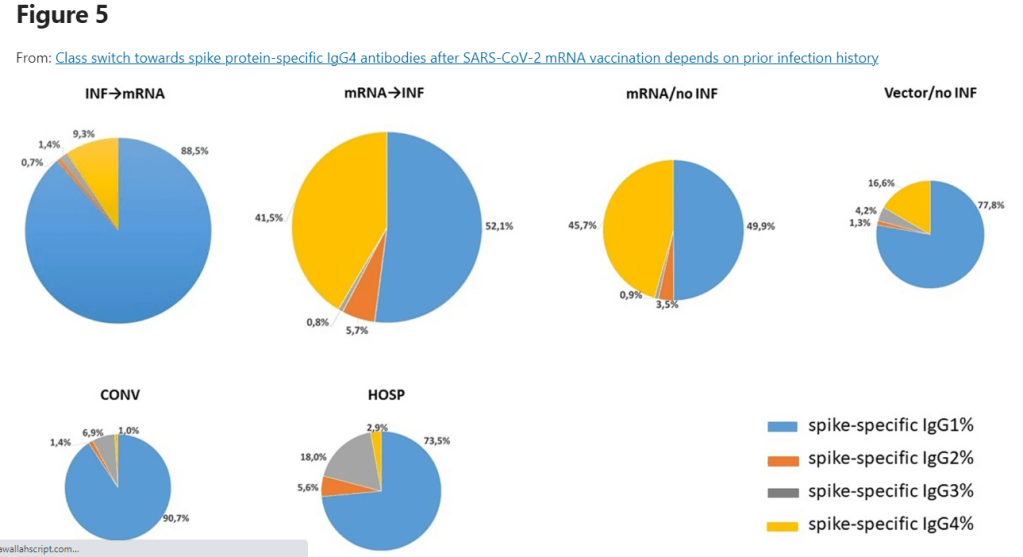
Now let’s look at what mRNA vaccines do to the different antibody levels. Here’s Figure 5 from Kiszel et al (2023).
Notice that the percentages of spike-specific IgG4 were higher in the vaccinated groups than in the COVID-19 infected groups. The proportions of the spike-specific IgG4 subclass to the sum of all spike-specific IgG antibodies were between 1 and 3% in the infected groups. However, in the vaccinated groups, they detected 16.6% of spike-specific IgG4 in the Vector/no INF group, whereas its values were as high as 41.5% and 45.7% in the mRNA → INF and mRNA/no INF groups, respectively. That is, those who were mRNA-vaccinated but had no previous Covid-19 infection (mRNA –>INF) or who had no Covid-19 infection before or after vaccination (no INF), had high levels of IgG4.
The bottom line is that the Covid-19 mRNA vaccines are poor vaccines that injure many people, don’t stop or reduce transmission, and must be given every 6 months. Increased levels of IgG4 autoantibodies following mRNA Covid-19 vaccination is one reason people are injured. This is a big money maker for drug companies that make the vaccines and the drugs used to treat the symptoms of the vaccine injury, such as Rituximab (something that is expensive, has to be administered IV every 6 months, and has many negative side-effects), and is also a money-maker for physicians who often administer vaccines and perform the treatments of those that they have injured with these poor vaccines.
A better choice is to avoid mRNA vaccines, wear a mask, and if you are injured by the mRNA Covid-19 vaccine, choose a diet and exercise plan to limit the severity of the disease.










 Stem Cells, Health, Technology