The Politics of Natural Disasters in the USA – Texas is #1 in More Ways Than One

Considering the three largest states in the USA, California, Texas, and Florida, it is California that has the least number of disasters with the lowest cost burden, by far, of the three. Texas, of course, is the number one disaster state. Yet, when the state of California faces a disaster, Republican politicians, especially those from Texas, immediately weigh-in to criticize the state and threaten, and actually vote for, withholding federal money to prevent and remediate the disasters. When Red States face disaster, Democrats don’t play political games – relief is offered immediately. It is as if Republicans relish disasters so that they can selectively call-out California, but on the other hand lack introspection to see their regressive policies actually are hurting their own Red States more than the Blue States. It makes for great political theatre, though, and mainstream media gives these regressive Republican clowns the theatre they don’t deserve. So, Texas is the #1 disaster state, and also number one in trying to withhold disaster relief from Blue States.

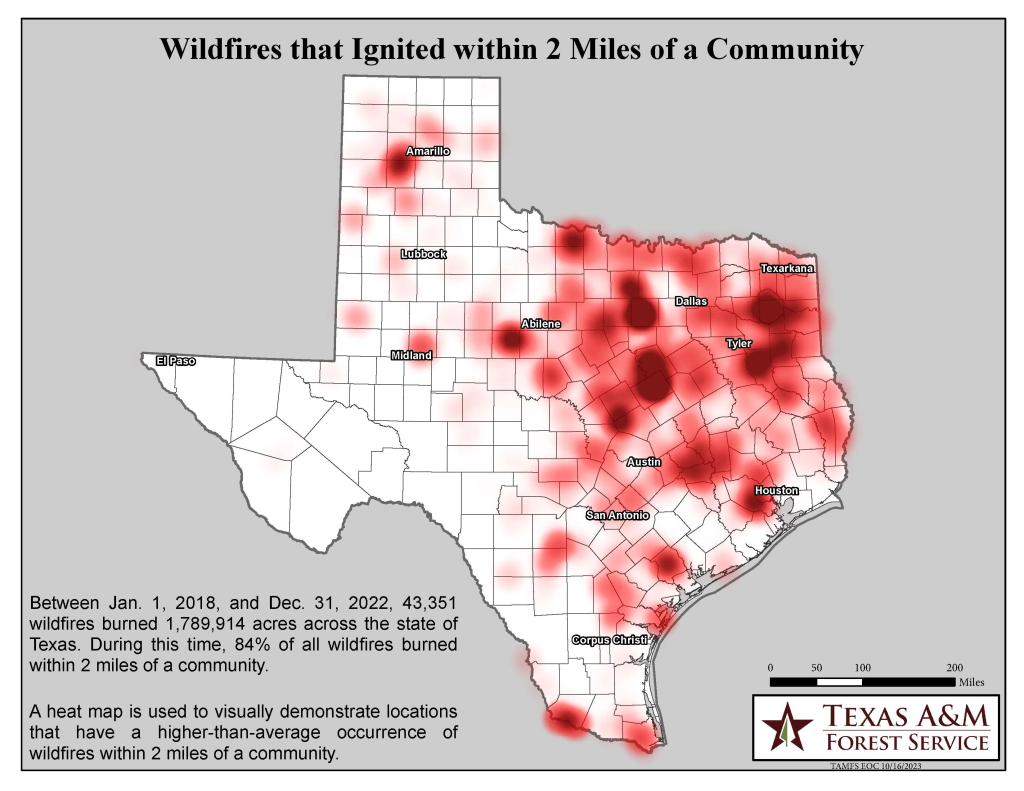
In 2024 alone, one wildfire in Texas burned over 1 million acres. Between 2018-2022, about 1.8 million acres were burned by wildfires in Texas. Unlike what Republicans do, Democrats didn’t withold, or threaten to withold, disaster relief to Texas.

Although the flames that leveled Pacific Palisades and Malibu are believed to have started in the Santa Monica Mountains National Recreation Area, managed by the National Park Service, and the blaze that turned Altadena to ash burned through the Angeles National Forest, is managed by the U.S. Forest Service, which is part of the United States Department of Agriculture, Republicans blame California for the fires. Republicans have continuously gutted funding to US land management and have privatized as much of it as they can. Republicans create problems and then blame others for the problems.

Republicans continue to threaten California, the 5th largest economy on the planet and the state that funds these little wimp’s poor Red States that, themselves, would be a natural disaster without taxpayer dollars from California. Just look at Republican Speaker of the House, Mike Johnson’s pathetic state of Louisana – it’s an economic disaster riveted by natural disasters. Louisiana is also the home of Senator (no relation) John Kennedy, a guy with a phony Southern draw so thick that the cringe of it rings down to the tip of your toes. John’s state is a disaster, just like his acent. These Republican goons need to discover introspection, work on reducing their right amygdala responses, develop some empathy, and seek out electrotherapy to induce forebrain function.

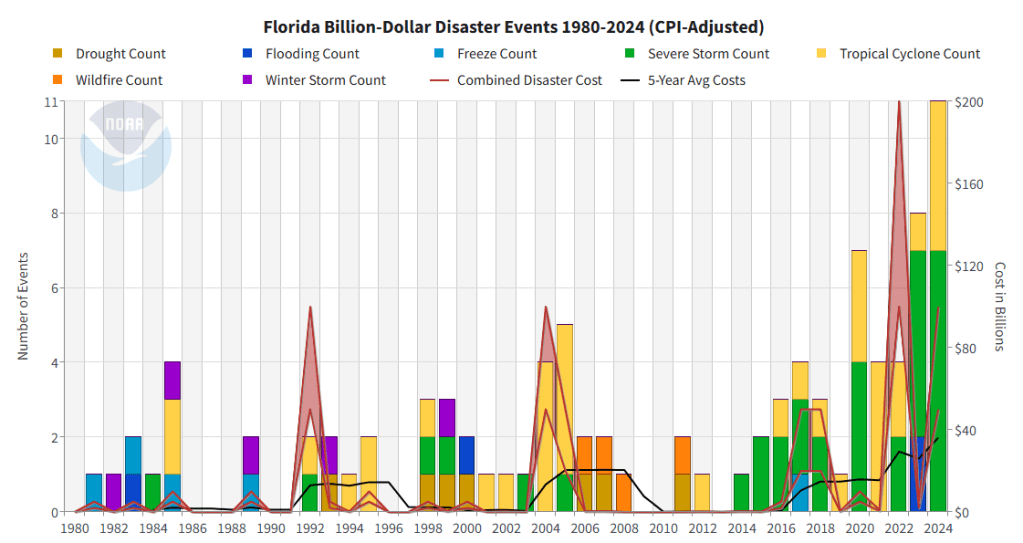
Here’s a look at the disaster data from NOAA:

Florida Summary

From 1980–2024, there were 94 confirmed weather/climate disaster events with losses exceeding $1 billion each to affect Florida. These events included 7 drought events, 4 flooding events, 5 freeze events, 33 severe storm events, 36 tropical cyclone events, 4 wildfire events, and 5 winter storm events. The 1980–2024 annual average is 2.1 events (CPI-adjusted); the annual average for the most recent 5 years (2020–2024) is 6.8 events (CPI-adjusted).

California Summary

From 1980–2024, there were 46 confirmed weather/climate disaster events with losses exceeding $1 billion each to affect California. These events included 14 drought events, 6 flooding events, 3 freeze events, 4 severe storm events, and 19 wildfire events. The 1980–2024 annual average is 1.0 event (CPI-adjusted); the annual average for the most recent 5 years (2020–2024) is 1.6 events (CPI-adjusted).

Texas Summary

From 1980–2024, there were 190 confirmed weather/climate disaster events with losses exceeding $1 billion each to affect Texas. These events included 20 drought events, 9 flooding events, 1 freeze event, 126 severe storm events, 16 tropical cyclone events, 7 wildfire events, and 11 winter storm events. The 1980–2024 annual average is 4.2 events (CPI-adjusted); the annual average for the most recent 5 years (2020–2024) is 13.6 events (CPI-adjusted).

The Era of Renewable Energy: If Only the USA Had Embraced the Visionary Jimmy Carter Instead of the Regressive Ronald Reagan

We now live in the age of renewable energy, although big oil and their political shills will argue otherwise through their lies. President Jimmy Carter’s lead in renewable energy, especially solar energy, was quashed by the regressive policies of Ronald Reagan, a puppet of the wealthy.

The USS Nautilus, created by Admiral Rickover, BS., M.S., who was trained as an electrical engineer, and with Jimmy Carter, B.S., on board as its chief nuclear engineer.

Jimmy Carter, who died in December 2024 at the age of 100, saved the world in the 1970s. Not only fixing the ozone hole, Carter was a nuclear engineer who trained at the US Naval Academy. The Navy’s work in developing the first nuclear submarine, the USS Nautilus, meant that Admiral Rickover and Jimmy Carter, who was the head nuclear engineer on board, had access to the latest in top-secret nuclear energy technology. When Canada’s Chalk River nuclear research facility experienced a power surge that damaged its reactor, the U.S. sent Carter and his team to fix it. He was one of a few people in the world with the knowledge and skills to carry-out the mission. Fuel rods at the research reactor experienced a partial meltdown after the power surge. It ruptured the reactor and flooded the facility’s basement with radioactive water, rendering the reactor core unusable. Besides many of his accomplishments as President, including the Camp David Accords, the Panama Canal Treaties, and the second round of Strategic Arms Limitation Talks, he also confronted stagflation inherited from Nixon/Ford by appointing Paul Volcker as Fed Chair who was kept on by Reagan and who would end the financial crisis. He signed into law bills that established the United States Department of Energy and the United States Department of Education, and he saved the hostages in Iran (although a treasonous Ronald Reagan took credit for this).

However, his criticism of Israel and its settlements on Palestinian land likely cost him his reelection. Carter’s calling out Israel as an apartheid state riled many Zionist Jews and those who are paid-off by AIPAC. Zionist controls of the media are present too, thus amplifying criticism of people such as Carter who dare to question Israel. The Zionist Jews are powerful and can destroy progressive candidates. They were a factor in eliminating Carter.

Carter was a visonary leader who promoted renewable energy and conservation, including: 

  • National Energy Plan: Carter’s plan included new laws and regulations to promote energy efficiency and conservation, and to develop alternative energy technologies. 
  • Solar panels on the White House: In 1979, Carter installed 32 solar thermal panels on the White House. 
  • National Energy Act: In 1978, Carter introduced the National Energy Act, which set goals to reduce the country’s reliance on oil and increase the use of renewable resources. 
  • Solar bank: Carter proposed spending $100 million in 1980 to create a solar bank, and asked for additional funds to support solar research and projects. 
  • Tax credits: Carter offered $1 billion in tax credits to homeowners who installed solar panels or wind-energy systems. 
  • Sun Day: Carter declared May 3, 1978 to be Sun Day, and gave a speech at a solar-research facility in Golden, Colorado. 
  • Department of Energy: Carter signed legislation in 1977 to create the U.S. Department of Energy

Solar cells had been invented in the USA, and in the 1970s, the USA was the leader in the technology. Carter understood, use solar cells to power things, importantly, to power batteries, and you’ve got an energy revolution. A renewable energy revolution.

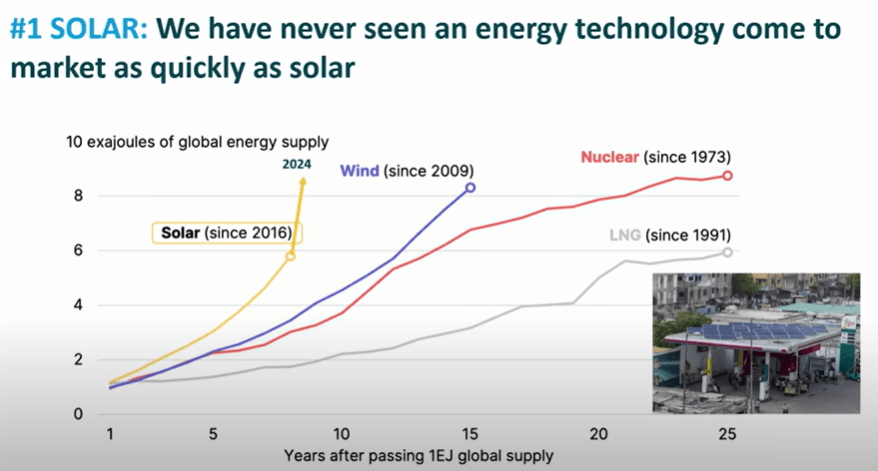
Let’s look at how important solar is, why Carter was its champion, and how China now leads in this technology. The images here are taken from: “Welcome to the Era of Energy Disruption | Gerard Reid | TEDxBerlinSalon.” Gerard Reid gives an excellent presentation, worth your time to watch it.

First, solar has quickly gone to market and now makes as much energy as does nuclear.

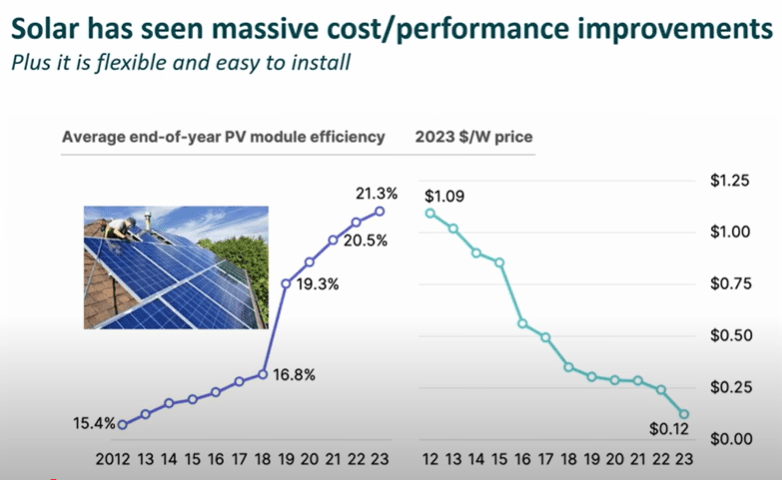
Second, solar is efficient and therefore inexpensive.

Lithium-ion batteries, also invented in the USA, provide storage for the solar energy so it can be used when the sun stops shining. The green area is where the batteries come into play.

China now leads the USA in financing renewable energy. Unfortuantely, the USA didn’t follow Carter’s lead, but the Chinese did.

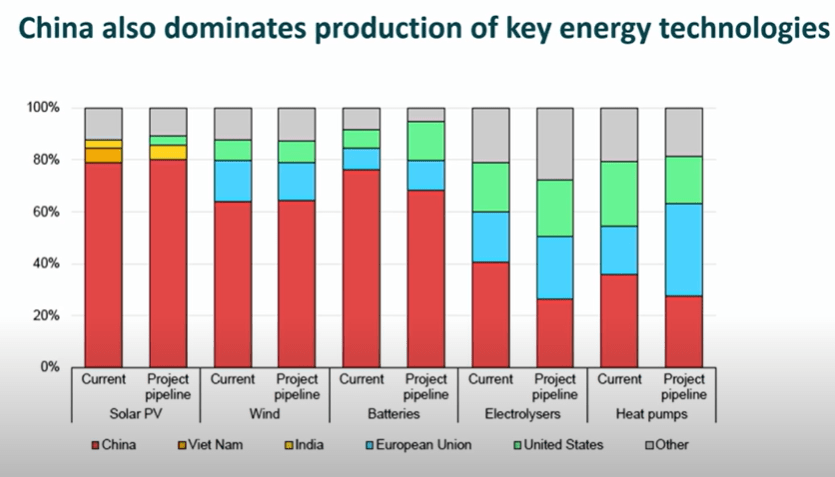
China leads in all other renewable energy technologies.

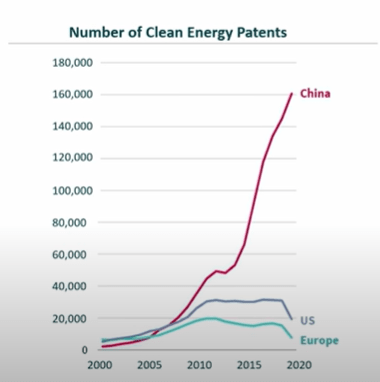
China has overtaken the USA in developing new renewable energy technologies.

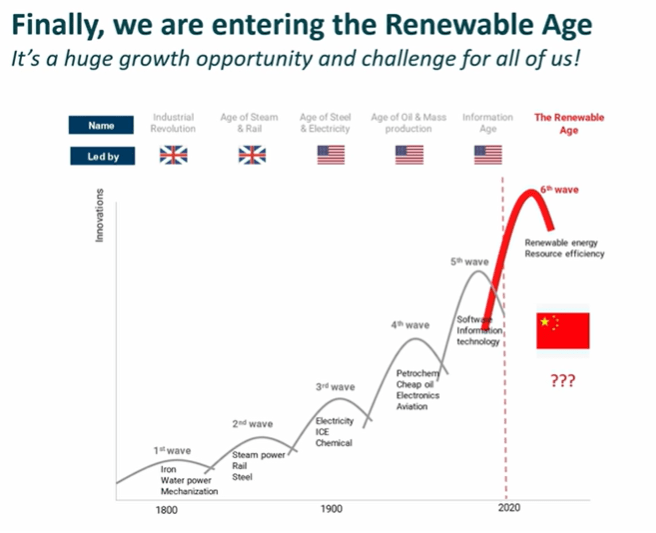
For the last 100 years the USA has lead the various technology revolutions. However we passed the lead to China when we consider the new era of renewable energies.

Elon Tries to Kill “President Musk” Allegations After Another of His Total Disasters

Like his Cybertruck, Robotaxi, Tesla Semi, Tesla Roadster, Solar Panels, Hyperloop, Exploding Starships, Boring Company, Musk’s genius spending bill idea crashed and burned. Now he’s doing a media blitz so as not to be blamed, including by Trump.

Elon Musk, who didn’t found Tesla, but stole it from the founders, and co-founded SpaceX but didn’t create any of its technology – Tom Mueller did, is hoping to dispel the widely circulating notion that he, a78 year old buffoon who Musk paid to elect, warmongering President-elect Trump, is really calling the shots. Musk is quickly doing what he can to make people forget his failed attempt to sway the US legislation. “No bills should be passed Congress until Jan 20, when @realDonaldTrump takes office. None. Zero,” Musk wrote in a separate post, which read like marching orders to the more sycophantic GOP members, some of whom began to fantasize about a Congress led by Musk himself. Yes, “dipshits” in the Billionaire’s Party have been calling for the depressed Ketamine Kid to be Stutterer [Speaker] of the House.

On Thursday, Twitter user Lulu Cheng Meservey called these proclamations that Trump is not in charge, indicative of a wider strategy to foment discord between the Ketamine Kid and Trump. “By jabbing Trump about not being the alpha, the idea is to provoke him to sideline Elon and to fray the relationship,” Lulu-the-Lemon wrote. Musk, raised by an abusive father who is so disgusting that he had a child with his stepdaughter, is in constant yearning of approval having never had paternal approval during his critical period, leading to his emotional instability and need to control people and impregnate as many women as possible.

Musk, who spends most of his time on Twitter espousing exxtreme-right-wing nonsense that benfits him, agreed, writing in a quote-tweet Friday, “The political & legacy media puppets all got their new instructions yesterday and are now parroting the same message to drive a wedge between [Trump] and me. They will fail.”

The “President Musk” rhetoric began after the stuttering insel, an apartheid-loving South African whose father enslaved black people in emerald mines, and whose financial support for Trump and other Republican candidates made him 2024’s biggest political donor, helped tank a bipartisan spending bill that was brough to vote in the House. Musk unleashed a fusillade of criticism on his social media platform, Twitter, as well as a threat to fund primary challenges against representatives who voted to pass the deal.

Later that day, President-elect Trump, following Musk’s directives, came out against the deal, and after a failed vote on a revised bill Thursday, House Republicans scrambled to put together an eleventh-hour plan to avoid a government shutdown.

Whatever the state of Musk and Trump’s bromance after the world’s wealthiest creep flexed his political muscles this week, the notion that Musk is delivering marching orders seems to have struck a nerve with team Trump. On Thursday, a Trump spokesperson insisted that the president-elect, and no one else, was in charge, saying, “President Trump is the leader of the Republican Party. Full stop.” Actually, it’s the billionaires who own Trump, like Musk and Israeli Zionist Jew, Miriam Adelson, who tell Trump what to do.

Republicans Love Bureaucracy, as Long as it is Privatized, Deregulated, Inefficent, and Profitable for the Wealthy

A bureaucracy is a system of organization that uses rules and procedures to coordinate the work of many people to accomplish large-scale tasks. Bureaucracies are often characterized by: 

  • Hierarchy: A system of authority with levels of responsibility
  • Specialization: Individuals are assigned specific tasks
  • Impersonality: Rules are applied without regard to personal circumstances

When oversight of the bureaucracy by the people is in place, the system works well. But put the wealthy in charge of the bureaucracy, then only the wealthy benefit. Beginning in the 1980s under Reagan, the wealthy gained more and more power of the US government. The people suffered. The result, higher taxes on, and fewer benefits for, the middle class. The rich boys benefit. Inefficiency is great – which means the wealthy assholes have more ways to steal money from the middle class. Just ask Elon Musk who so far has blown-up 6 starships, costing taxpayers about $ 4 billion (Remember in the 1960s before Reagan, Saturn-5 put a man on the moon – yes, in just 5 missions with no Saturn rockets blowing-up). Trump brings the penultimate bureaucracy for benefit of his wealthy buddies.

Any middle-class person who voted for Trump is a moron. That is all.

Function Health is Another Theranosesque Scam

Meet Function Health, an Austin, Texas-based, venture capital-backed company offering gobs of blood tests, all for only $500/year. Wow, what a deal. They even tell you how old you are by analyzing your blood. Theirs is a Theranosesque story of a young woman solving her own health issues who decides to save the world in the process. Acquires venture capital backing and hires a bunch of famous people, along with some quack physicians (Mark Hyman is cofounder), who love money, to become a part of their scam.

The physician behind Functional Health is Mark Hyman (known for his “bullshit”), a promotor of high-fat diets and the ingestion of coconut oil. Some people will do nearly anything for money. Hyman’s diet recommendations that include red meat and coconut oil (contains 92% saturated fat) have been found to be contributors to the epidemic of colorectal cancer. Is Hyman aware that coconut oil ingestion in a high-fat diet produced dysbiosis associated with an increased colorectal cancer risk? Of course not, he’s too busy making videos, selling the supplement du jour, signing bad books (see a review by Dr. T. Colin Campbell of Cornell University), and doing other things to make money. Further, “coconut oil had a greater impact than soy oil on mice lipid metabolism, resulting in a significant increase in plasma total cholesterol and triglycerides. Not surprisingly, since it is widely accepted that saturated fats, unlike unsaturated fats, can raise blood levels of total cholesterol and triglycerides.” Moreover, “The consumption of saturated fatty acids (SFA), the main compound in coconut oil (CO), can promote insulin and leptin resistance and are associated with inflammation and obesity.” Eating a high fat diet not only harms self, so too are your offspring harmed by a high fat diet. Recent studies find immunometabolic changes in bone marrow and myeloid cells of offspring whose mothers had a high fat diet and obesity, leading to an increased later life risk of infection and cancer.

Hyman also recommends a high protein diet. A diet rich in animal proteins can lead to increased production of TMAO from intestinal microbiota, augmenting the risk of cardiovascular disease, while plant-based proteins could positively influence gut microbial homeostasis. The high intake of saturated fats and omega-6 PUFA, and the reduced intake of omega-3 PUFA, typical of a western-type diet and what Hyman is suggesting, could lead to dysbiosis, gut barrier alterations, and metabolic disorders. Hyman, it seems, likes chronic disease – the more sick people, the more money he makes.

I could go on, but you get the idea. Humans didn’t evolve eating processed coconut oil and it’s not healthy, despite what Mark Hyman tells you. Hyman ranks right up there with other physicians such as George Demos, MD convicted of insider trading, Armando Valdes for fraud, Philip Frost, MD for stock manipualtion, Sebastian De La Maza for fraud, Mammen P. Zachariah and Sheldon Nassberg for insider trading, Matthew Teltser, MD for falsifying clinical trial data,  John Patterson, M.D receiving kickbacks, Ralph de la Torre, MD who was paid $250 million in 4 years to collapse a major US healthcare system, and many, many more. The problem is widespread, it’s everywhere. In Florida, for example, physicians specialize in performing unnecessary back surgeries. Then there is the 1-800-Get-Thin guy, Julian Omidi, who went to jail for his $98 million fraud. I could go on and on about physicians swindling you, but you get the idea.

Hyman is a social media darling, perfect for VCs who want to make $billions more than they currently have. And like the uneducated tech-bros that they are, they use cool tech-bro terms at Function Health to describe what they do. For instance, “Your Stack developed with top doctors,” using “stack” that is the mantra for tech bros to describe damn near everything these days, having derived from computer technology describing the front end and the back end of computer applications and the term “full stack.” Note that tech-bro insels such as Elon Musk are fully into this terminology as exemplified by a recent tweet on Twitter from Musk:

Function Health Test Results

Let’s have a look at how these people at Functional Health plan to make billions.

LDL-Cholesterol

Someone I know is trying the Functional Health program and recently received their first test results. Here’s the result for LDL-Cholesterol from the person’s blood test.

This person was very concerned because the result said they were “Above Range” for LDL-Cholesterol. Sounds bad, right?

But here’s what Johns Hopkins Medicine says about LDL-Cholesterol:

The LDL cholesterol range for adults is:

  • Optimal: Less than 100 mg/dL
  • Near optimal: 100–129 mg/dL
  • Borderline high: 130–159 mg/dL
  • High: 160–189 mg/dL
  • Very high: 190 mg/dL and higher

Wow! LDL cholesterol at 106mg/dl is nearly optimal, hardly the scarry “Above Range” reported by Functional Health.

Apolipoprotein B (ApoB)

Apo B is protein that is primarily found bound to LDL, and high LDL- cholesterol raises the risk for heart disease and stroke because it builds up as plaque on the walls of your blood vessels.

Here’s the result for apoB from the person’s blood test:

This person was very concerned because the result said they were “Above Range” for ApoB. Sounds bad, right?

Here’s what the Cleveland Clinic says about ApoB range:

“What is a normal Apo B level? A normal Apo B level is: 66 to 133 mg/dL for a man or adult assigned male at birth (AMAB). 60 to 117 mg/dL for a woman or adult assigned female at birth (AFAB).”

Once again, Wow! What Function Health says in “Above Range” is called normal by the Cleveland Clinic. These people at FH are using scare tactic to suck people in.

Thyroid Test is Offered

Overprecribing thyroid medication is rampant in the USA. According to Yale University School of Medicine, as many as 90 percent of those who take levothyroxine [Synthroid] may have been unnecessarily prescribed the hypothyroidism medication. There’s a natural diurnal variation in TSH (thyroid-stimulating hormone), and the hormone is at its lowest during the working hours. TSH also varies with the season, being highest in winter.

So, think about it. Report to a lab for your blood work during the day, during the summer, when your TSH is at its trough, and guess what? Your thyroid test says you have low TSH when you likely have a normal range of TSH. Next, they’ll likely recommend you take a pill, a thyroid medication.

The same can be said for LDL. LDL cholesterol levels peak in the afternoon, around 14:39–17:29 hours, and coincide with food intake. Yet these morons at Function Health, including their physicians, are ignorant that LDL has significant diurnal variation.

What To Do For Health and Optinal Function

Avoid these guys at FH, for one.

Buy a copy of the Blue Zones Kithchen and/or Thinking and Eating For Two: The Science of Using Systems 1 and 2 Thinking to Nourish Self and Symbionts and start eating a plant-forward diet.

For example, eating berries can strengthen your blood vessels and reduce blood pressure. But Mark Hyman doesn’t sell blueberries, just some phony, ill-conceived and misinterpreted tests for $500/year.

Fluoride in the Water: Why Most Western European Countries Reject Fluoridated Water

Most of the Western European countries have rejected water fluoridation including Austria, Belgium, Denmark, Finland, France, Germany, Iceland, Italy, Luxembourg, Netherlands, Norway, Sweden, and Switzerland. For good reason. The topical benefits of fluoride for dental caries are as good as systemic but the associated risks are maximal when ingested. The ideal recommendation would be to limit fluoride (or preferably hydroxyapaptite) to topical dentifrices and mouthwashes. Fluoridation of community drinking water supply is an unreasonable risk.

The USA is in the throws of a binary, reactionary dialogue on many issues, including fluoride in our drinking water. While fluoride can prevent, and even remediate dental caries when administered systemically in the drinking water, there are many negative consequences. A recent study revealed that the concentration of fluorine is elevated in the shells of senior nanocrystals relative to young and that the embrittlement of enamel is driven, at least in part, by the infusion of fluorine into the nanocrystals. In other words, as we age and the enamel of our teeth goes through deenamelization and reenamelization processes, fluoride from water and dental products enters the enamel and makes the enamel more brittle and susceptible to cracking. Using hydroxyapatite in our dental products, a normal mineral found in teeth, may not make the enamel more brittle, and therefore less susceptible to cracking. This needs to be tested.

A recent analysis by scientists at the National Toxicology Program of the US-HHS found that, given fluoride in the water negatively affects childrn’s IQ, “More studies are needed to fully understand the potential for lower fluoride exposure to affect children’s IQ.” Better to add fluoride or hydroxyapatite (a natural mineral found in teeth and bone that can remineralize teeth) to toothpaste, for example, than to administer fluoride to the whole body.

The US Center of Disease Control and Prevention declared that in the second half of the 20th century, the steep decline dental decay in the United States can be attributed to fluoridation. However, data have found that a similar decline in dental decay has been observed worldwide in countries that do not fluoridate their drinking water supplies. A 2024 Cochrane review article found that adding fluoride to drinking water may lead to slightly less tooth decay among children, but concluded that the practice’s effects are less dramatic today than they were before fluoride was widely found in toothpaste.

In 2006, a report by the National Research Council (NRC) acknowledged that fluoride exposure may be associated with adverse cognitive and endocrine outcomes, and recommended further study, especially for vulnerable populations. One NRC panel member, Dr. Robert Isaacson, Ph.D., said the report “should be a wake-up call”. Yet, for 10 years, not a single study had directly examined fetal exposure to fluoride in humans. Now studies have been conducted and fluoride has been found not to be safe in our drinking water. Let’s look at some of the evidence.

Fluoride absorbs into bone and is associated with bone cancer and fracture, therefore I recommend hydroxyapatite, and natural mineral found in teeth and bone.  Fluoride in the water is associated with compromised bone quality and the interaction between osteoblasts and osteoclasts is altered and may aggravate osteoporosis and increase osteoporotic fractures. Combine fluoride with the highly overpresribed thyroid medication, Levothyroxine, that, according to scientists at Johns Hopkins, may be contributing to osteoporosis, and people, especially with a poor diet, may be losing bone mass and strength.

Once fluoride is added in the water, it is impossible to control the dose each individual receives. This is because some people, for example, manual laborers, athletes, diabetics, and people with kidney disease, drink more water than others. In addition, the average person receives fluoride from sources other than the water supply such as fluoridated oral hygiene products, food, and beverages processed with fluoridated water, mechanically deboned meat, and teas.

Only 50% of the daily ingested fluoride is excreted through the kidneys. The remainder accumulates in bones, the pineal gland, and other tissues. Initial studies on animals showed that fluoride accumulation in the pineal gland led to reduced melatonin production and an earlier onset of puberty. The same researcher then showed in later studies that fluoride can also accumulate to very high levels in the human pineal gland. Fluoride toxicity can lead to renal damage in children. Researchers studied 210 children living in areas of China with varying levels of fluoride in water (0.61–5.69 ppm). Among this group, the children drinking water with more than 2 ppm fluoride – particularly those with dental fluorosis – were found to have increased levels of NAG and y-GT in their urine, both of which are markers of kidney damage. The children’s urine also contains increased levels of lactic dehydrogenase – a possible indicator of liver damage. A diseased kidney is unable to effectively excrete fluoride, so individuals with compromised kidneys are at risk of developing fluorosis even at normal recommended limit of 0.7–1.2 ppm.

Fluoride has been found to be mutagenic by causing chromosome damage and interference with the enzymes involved with DNA repair in a variety of cell and tissue studies carried out in animals. Recent studies have also found a correlation between fluoride exposure and chromosome damage in humans. The only government-sanctioned animal study to investigate whether fluoride causes cancer, in 1990, found a dose-dependent increase in cancer in the target organ (bone) of fluoride-treated, male rats. This led to a 14-year study carried out by Harvard University that showed a significant link between fluoridation and a rare form of bone cancer called osteosarcoma in young boys, consistent with the results of the 1990 animal study.

Fluoride as a neurotoxin has been proven in several animal studies. For example, a 2024 study found a predominance of Ca2+-permeable AMPARs in membranes and a shift between different NMDARs subunits in hippocampal cells of Fluoride-exposed rats, which is typical for neurodegeneration and can at least partially underly the observed disturbances in cognitive capacities of animals and humans. Another 2024 study found that prenatal fluoride exposure to fluoride in the drinking water in Los Angeles was associated with increased neurobehavioral problems. A 2006 National Research Council report stated that it is apparent that fluorides have the ability to interfere with the functions of the brain and the body by direct and indirect means. This finding was confirmed by a study where groups of children exposed to 8 ppm fluoride in water were found to have lower average IQs, less children attaining high IQ, and more children affected by low IQ. While 8 ppm is much higher than the fluoride level added to water in fluoridation programs (0.7–1.2 ppm), these results are in congruence with previous studies from China indicating that fluoride may affect IQ at lower levels.

A recent systematic review conducted by the National Toxicology Program reported “with moderate confidence that higher fluoride exposure…is consistently associated with lower IQ in children.” The 2023 report also highlighted the lack of US studies investigating associations of fluoride exposure with neurodevelopment or cognition and stated that US studies would be valuable.

If fluoride is added to water which contains aluminum, then aluminum fluoride complexes will form. Aluminum fluoride complexes have the potential to interfere with many hormonal and some neurochemical signals. Aluminum fluoride was recently nominated by the Environmental Protection Agency (EPA) and National Institute of Environmental Health Sciences as a “high health research priority” due to its “known neurotoxicity.”

Let’s stop our reactionary, binary thinking, listen to scientists, not physicians who are not trained to be scientists or analyze scientific data (most physicians spend an hour or two each week reading medical literature, not scientific studies), and take action on the chemicals, including fluoride, in our food supply and drinking water. Remember, it’s the lifetime of exposure (our exposome) to chemicals that causes most of our diseases.

The Billionaires Won Again

Witnessing the end of empire. The USA had a good ride from the 1930s until the 1980s, while the last 40 years has seen the beginnings of the end of empire. We are now in the acute phase of decline, and becoming what Britain became, a beligerent plutocracy that is a hollowed-out shell of its former self. There’s still time to save us, but we must act fast. Plutocracy that began in the 1980s under Reagan must be dismantled and a representative democracy restored.

“If you are someone who was able to overlook the genocide and cast a vote for Kamala Harris, then you already understand how a conservative was able to overlook Trump’s extremism to vote for him.” Meg Indurti, Los Angeles, CA

Palestine: The result of “democracies” in the USA and Israel. Someone please awake the USA from its 40 years slumber. Aka: How the wealthy pummel and control the people.

The middle-class has severely retracted since the 1980s, and real wage increases for working people have been flat for 40 years. Price and Edwards calculate that the cumulative tab for the four-decade-long experiment in radical inequality in the USA had grown to over $47 trillion from 1975 through 2018. At a recent pace of about $2.5 trillion a year, that number now has crossed the $50 trillion mark by 2020. In other words, the wealthy have extracted $50 trillion from the middle class over the last 50 years, with the extraction worsening over recent years. For example, remember when George W. Bush destroyed the economy from 2001-2009, allowing the rich to extract gobs of money from the middle class, and then Obama had to save the economy? To save the economy, Obama bailed out the wealthy using money from the middle class.

But many people in the USA middle class don’t understand why they’ve become poorer. And most don’t want to hear it. They’re in denial. The mainstream media in the USA promotes the denial. Young people find it harder and harder to buy a home and attain higher education, and those from the middle-class with higher education are the drivers of innovation and new businesses. As an example, UC Berkeley, the world’s best public (and affordable) college, graduates the largest number of entrepreneurs in the US. Berkeley and other world-leading colleges in California are a key reason why California is the innovation hub of the planet. And it’s part of the reason why California has the 5th largest economy on the planet (that fell to #10 under Republicans). As much as the rich conservative man and their shills, such as Reagan, tried to kill our public univesities, the people of California prevented them from doing so. But huge student debt on the middle class did arise. More of Reagan’s attack on the middle class. And why are homes so expensive now in the USA, including California? Reagan financialized housing, and now, for example, private equity owns many of the homes in CA, including in San Diego. And in our deregulated, privatized USA, the wealthy use algorithms to commit price fixing in the housing industry. Corporations, such as RealPage in Texas, offer these services to the wealthy. Many of the wealthy will do anything to make a buck. Anything. Cast your eyes on Palestine, and you’ll know what I mean.

We will be targeted once again by Trump, and given his guard raills have been weakened by the “Supreme” Court, guarding our institutions in California will be hard during these next 4 years.

The Reagan Revolution

Despite what Ronald Reagan’s handlers, self aggrandizing plutocrats, told him to say, government is the solution to most, if not all, problems. Saying that government, the power of the people in a democracy, is the problem, was a damnation of democracy by Reagan. Without proper democratic regulations, “free markets” (there is no such thing as a free market) become unstable and often crash – such as the Savings and Loan Crisis that Reagan ushered in, and the rich become richer. Reagan’s Neoliberalism would gut the middle class and manufacturing, and lead to a government run by plutocrats. Essentially, Reagan would make the government an enemy of the people, and then blame the government for gutting the people. Stupid people believed him, rich people prospered. To bring plutocracy to the US, Reagan would even commit treason by cutting a deal with Iran to block President Carter from bringing back the US citizens held hostage in Iran, thus diminishing Carter’s bid for reelection. The Republican plutocratic strategy works by persuading white working class voters to focus not on financial self-interest, but on race, conservative religious values and other perceived identity threats, and this blights the US economy. The national debt soared 3X under Reagan and the US moved from a creditor nation to a debtor nation. Other people’s money, taken from the middle class, fueled the Republican ideology of making the rich even richer. Reagan’s privatization and deregulation of healthcare, including for example, an FDA where the clinical trials are run by companies and half of the budget of the FDA comes from the companies being regulated, would lead to the medicalization of America and the world’s worst and most expensive healthcare system. As governor, Reagan would cut one of the most important things driving the innovation in California, the great public universities in the state. All of this meant that Reagan was moving money away from innovation and the public good, and into the hands of the wealthy. Later, the Reagan Revolution-Republicans would kill government funding of new technologies, sending lithium ion battery technology and solar technology to China, leading to the Chinese domination of these markets. While the Reagan-Republicans embraced ignorant private enterprise ideologies that have never worked, not in the history of mankind, and failed to back US developed technologies – the Chinese knew Reagan-Republicans wouldn’t back US developed technologies and took great advantage of decades long research and development in the US, buying US technologies for pennies on the (thousands) dollar. Dwight D. Eisenhower rolls in his grave.

Diminished R&D in the USA

And as the wealthy pay little or no taxes, and with Trump exacerbating the already huge problem, the government no longer has the money to drive innovation – government has been and continues to be the main driver of innovation. Think about it, the vacuum tube, the semiconductor, the 3-dimensional transistor, RISC computer achitecture, solar panels, lithium ion batteries, rocket technology, airplane technology, nuclear imaging, almost all of our drugs, including new cancer treatements, the internet, CRISPR, etc, were government innovations. Without innovation, businesses are not created to monetize that innovation. Decreased R&D by the US government is why the Chinese have surpassed the US in many areas of science and technology, including AI, and their economy has flourished like nothing else before it (not even the US so rapidly built an economy). Like in Rome, where the wealthy built colliseums to placate the people, so too does the USA build more and more stadiums to placate the masses. And it makes the billionaires even wealthier. What’s happening?

The USA Repeats the UK Downfall Scenario

History repeating. Between 1880 and 1920, Britain killed 100 million Indians. Empire was at its peak. The rich were drinking all day, enjoying drunkeness at their huge estates, including in India. Like many other “English gentlemen” of the day, Winston Churchill’s father had spent his fortune on booze and other indulgences and had to marry a rich US citizen to save his estate and way of life. Winston world carry on dad’s ways – a drunkard he was of first class. The drunkards would then start two world wars, declaring war on Germany twice – wars they could never win without enlisting the Americans to win the wars for them. Eisenhower led the Allied forces while Winston drank and made belligerent speeches. Today these types of rich people often use ketamine and make speeches that reflect something other than reality. After the big war, Winston, a huge bigot, would go on to wreak havoc in the Middle East. Overthrowing the democratically elected president of Iran (with the help of Israel and the CIA) and starting a war with Egypt (Eisenhower wouldn’t particpate in this nonsense), are just two examples. An austere, conservative UK government would support the wealthy, ignore the middle-class, and gut R&D. Even its once venerated National Health Service is in steep decline. Sound familiar? (The drugs don’t work because Reagan privatized clinical trials – hopefully RFK Jr can do something about this huge, costly problem). Today the UK is a place where little works and the country has fallen to 3rd world status, especially after having iniated the conservative’s plan of Brexit. Trump supported it of course and has iniated a form of it in the USA. History repeating.

Trump promises more privatization and deregulation, something that brings about corruption, inefficency, inferior products, and higher prieces, following what began in the 1980s by Reagan to benefit the wealthy. Reagan so disdained the middle-class that he instituted taxes on their social security income. Financialization of the housing market began in the 80s, and housing costs skyrocketed. The Savings & Loan crisis brought about by deregulation was part of the problem. The problems continue and worsen today. Even our “cherised and abandoned” military has suffered from privatization and deregulation. As explained by Col. Wilkerson, US weapons are now worse than those from Russia and China and cost three times as much. Price gouging is the rule. Before the Reagan era (error) we witnessed President Kennedy end price gouging by large corporations through direct action. As a result, the price gouging stopped. Those days are gone. Corporations own our politicians (except bernie). Companies such as Boeing are now a joke, having been cannabalized by the wealthy. But the rich become richer (yes, Reagan deregulated stock buybacks to allow the rich to become richer) and the middle class pays. And, of course, the poor people die, or, if they’re lucky, become indentured servents.

“We’re not going back!” Sorry, we went back in the 1980s, never to return.

Lewis “Corporations Are People” Powell, architect of the “Going Back Movement” where Robber Baron 2.0 started. Back in 1971, when the Robber Baron memo was prepared, Powell was a well-connected partner in the Richmond-based law firm of Hutton, Williams, Gay, Powell and Gibson and sat on the boards of 11 major corporations, including the tobacco giant Philip Morris. 

The 50 Year Republican Plan to Implement a Plutocracy

What we’re witnessing in the USA is the fulfillment of a 50 year plan. Lewis Powell laid it out in 1971 during the Nixon presidency, and every year hence, Republicans have followed it. Many Democrats have embraced it too. Look at the genocide in Palestine. Wealthy donor money from the Israel Lobby to both parties fuels the mass murdering of the innocents, as the invading Russians and Polish, such as Polak David Grun (aka Ben-Gurion) and Russian Moshe Sharett, setup, maintain, and expand their colonial, apartheid state in Palestine. Zionists laid down modern-day terrorism, something they learned from the British, in the Middle East. The citizens of the USA don’t support the genocide, but given no democracy in the USA, the wealthy donors are given what they want. Biden gives the genocidal maniacs all the weapons they want, receives millions in return, and Trump tells the genocidal maniacs to “finish them [Palestinians] off.” With a $100 million in his pocket from Israeli Zionist Miriam Adelson, Trump backs Polak, Benjamin Mileikowski’s (aka Netanyahu) plans for further stealing of Palestine’s land. Wealthy defense corporations and their senior leadership and owners are making a bundle by mass murdering innocent people. As Israel’s oldest newspaper says, ethnic cleansing is at hand. The U.S. has spent at least $22.76 billion on military aid to Israel and related U.S. operations in the region between Oct 2023 and Oct 2024. What am I talking about here when I say wealthy donors?

The Powell plan was to turn the USA over to the richest men and the largest corporations. This was a plan to replace our weak democracy with oligarchy. Many of America’s richest people invested billions in this plan, and its tax breaks, deregulation, privatization, and fossil fuel subsidies have made them trillions. Deregulation and privatization gave us Enron as one of many examples. Money flowed to the wealthy at Enron in Houston, TX resulting in the bankruptcy of many small businesses in California. Now coming in 2025, even more will soon come to the wealthy.

As any advertising executive or sales guy, such as Elon Musk, can tell you, with enough money and enough advertising — particularly if you are willing to lie — you can sell anybody pretty much anything. Given a highly religious USA and most people without (only 37%) higher education, fooling the masses is easy. Colonizing Mars – it’s a billion dollar scam. FSD – same. Hyperloop– same. Tunnels in Vegas – ditto. I could go on. Bullshit pervades. To see how stupid people are who voted for Trump, watch this. Those with a few synapse functioning above their midbrain are regretting thier vote for Trump upon realizing they voted against their own interest.

The Pitiful Binary Choice for President of the USA -Which Corporate Shill Do You Prefer?

Even a convicted felon, liar, fraudster, rapist, and friend and agent of America’s enemies can and has succeeded. This is a guy who used the Presidency to self-aggrandize. On the other side, we had another bullshiter who couldn’t even tell the truth about where she was born and raised – Berkeley, CA. Her father, Prof. Dr. Donald Harris, Ph.D., a Berkeley-educated and preeminent econonmist at Stanford was nowhere to be found in her story. Why? Because  post-Keynesian ideas to development economics are uncool in our new era of Neocon politics. We don’t help poor people, we take advantage of them. If the rich need to increase their profit margins and need cheap labor to make some fancy sneakers, enlist child labor in Asia. Middle-class jobs in the USA are lost and the great income divide worsens. It’s Reagan’s NAFTA legacy at work, and the Heritage Foundation is proud to have had a puppet in Ronnie. The Keynesian ideas were used in the days when the greatest builders of the US economy and the middle-class- Roosevelt, Eisenhower, and Kennedy, were loved by the people, but would now be labeled as communists by guys like Trump. Kamala appeared as a phony, and people don’t like phonies. Trump played himself- a dumb, arrogant, lazy, loud, beligerent, and boastful white guy, and uneducated religious people loved it. Trump didn’t listen to his consultants, and it paid-off. Roy Cohn, the tyrannical closeted gay Jewish lawyer had taught him well. Kamala listened, and was clobbered. Thirteen million demoralized Democrats stayed home on Nov 5, 2024. Democrats don’t like genocide, especially when we are the perpetrators. Politics makes for strange bedfellows in our Neocon era, and most of these dogs come away flea-infested.

America was overwhelmed this fall by billions of dollars in dishonest and misleading advertising, facilitated by five corrupt Republicans on the Supreme Court, and it worked. Democrats were massively outspent, not to mention the power of the billionaire Murdoch family’s Fox “News” and 1500 hate talk radio stations. And third-party candidates, or candidates not selected by the donor class within the corrupt political processes of the two party system, were excluded by the wealthy donors. If you don’t cater to the rich man wishes, you don’t politically exist. You’re dead.

More broadly, and we find that corruption goes way beyond just this election; many of the crisis the USA is facing now are either caused or exacerbated by the corruption of big money authorized by five corrupt Republicans on our Supreme Court.

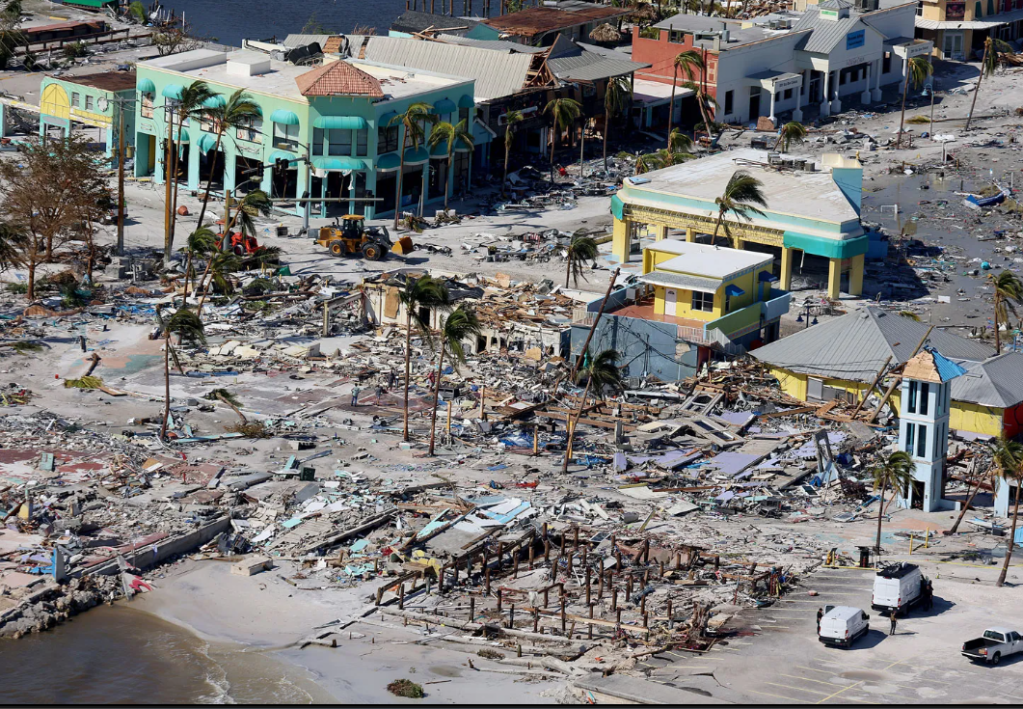
They are responsible for our crises of gun violence, the drug epidemic, homelessness, political gridlock, the houses being wiped-out in Florida by hurricanes and flooding, our slow response to the climate emergency, a looming crisis for Social Security and Medicare, the situation on our southern border, that most drugs don’t work (hopefully RFK, Jr will exert positive results on this problem), even the lack of affordable drugs that do work, insurance, and healthcare.

Billionaires Choose Our Supreme Court Too

All track back to a handful of Supreme Court justices who were handpicked by billionaires and who’ve sold their votes to billionaires in exchange for extravagant vacations, luxury yachts and motorhomes, private jet travel, speaking fees, homes, tuition, and participation in exclusive clubs and billionaire networks that bar the rest of us from entry.

For over two decades, Clarence Thomas and his wife have been accepting millions in free luxury vacations, tuition for their adopted son, a home for his mother, private jet and megayacht travel, and entrance to rarified clubs.

Sam Alito is also on the gravy train, and there are questions about how Brett Kavanaugh managed to pay off his credit cards and gambling debts. John Roberts’ wife has made over $10 million from law firms with business before the court; Neil Gorsuch got a sweetheart real estate deal; Amy Coney Barrett refuses to recuse herself from cases involving her father’s oil company.

None of this is illegal because when five corrupt Republicans on the Court legalized members of Congress taking bribes they legalized that same behavior for themselves.

As a result, we have oligarchs running our media, social media, and buying our elections, while the Supreme Court, with Citizens United, even legalized foreign interference in our political process. Oil billionaires own many of our TV stations, for example.

Our modern era of big money controlling government began in the decade after Richard Nixon put Lewis Powell — the tobacco lawyer who wrote the infamous 1971 “Powell Memo” outlining how billionaires and corporations could take over America — on the Supreme Court in 1972.

In the 1976 Buckley v. Valeo decision, the Court ruled that money used to buy elections wasn’t just cash: they claimed it’s also “free speech” protected by the First Amendment that guarantees your right to speak out on political issues.

In the 200 preceding years — all the way back to the American Revolution of 1776 — no politician or credible political scientist had ever proposed that spending billions to buy votes with dishonest advertising was anything other than simple corruption.

The “originalists” on the Supreme Court, however, claimed to be channeling the Founders of this nation, particularly those who wrote the Declaration of Independence and the Constitution, when they said that “money is the same thing as free speech.” In that claim, Republicans on the Court were doing what they do best- lie.

In a letter to Samuel Kercheval in 1816, President and author of the Declaration of Independence Thomas Jefferson explicitly laid it out:

“Those seeking profits, were they given total freedom, would not be the ones to trust to keep government pure and our rights secure. Indeed, it has always been those seeking wealth who were the source of corruption in government.”

But Republicans on the Supreme Court weren’t reading the Founders. They were instead listening to the billionaires who helped place them on the Court in the first place. The wealthy had bribed them with position and power and then kept them in their thrall with luxury vacations, “friendship,” and gifts. In this way, the wealthy have the court to back-up their money-making schemes.

Two years after the 1976 Buckley decision, the Republicans on the Supreme Court struck again, this time adding that the “money is speech and can be used to buy votes and politicians” argument applied to corporate “persons” as well as to billionaires.  Lewis Powell himself wrote the majority opinion in the 1978 Boston v Bellotti decision.

Justices White, Brennan, and Marshall dissented, writing:

“The special status of corporations has placed them in a position to control vast amounts of economic power which may, if not regulated, dominate not only our economy but the very heart of our democracy, the electoral process.”

But the dissenters lost the vote, and political corruption of everything from local elections to the Supreme Court itself was now assured. The large middle-class was an annoyance to the wealthy as their power was being questioned by the newly educated middle class. All that was needed was a small middle-class to manage the wealth of the powerful – all other middle-class people needed to be purged so as not to upset the accumulation of wealth at the top. As so it began.

Notice that ruling came down just two years before the Reagan Revolution, when almost all forward progress in America came to a screeching halt. The Reagan Revolution had been primed, and the age of greed fell upon the USA for the next 40 years.

And it’s becoming worse. The Court doubling down in 2010 with Citizens United, overturning hundreds of state and federal “good government” laws dating all the way back to the late 1800s.

Thus, today America has a severe problem of big money controlling our political system. And last night it hit its peak, putting an open fascist in charge of our government. Granted the alternative was not good, but the greater of the two evils won, bigly.

The USA is an Outlier

No other developed country in the world has this problem, which is why every other developed country has a national healthcare system, free or near-free college, and strong unions that maintain a healthy middle class. Their streets aren’t strewn with the homeless. It’s why they can afford pharmaceuticals, are taking active steps to stop climate change, and don’t fear being shot when they go to school, the theater, or shopping.

It’s why they still have functioning democracies.

The ability of the USA to move forward on any of these issues is, for now, paralyzed with the election of Trump and the GOP taking over the Senate, and likely the House.

This is not the end, though; hitting bottom often begins the process of renewal.

Many citizens of the USA who are cognizant of the problems that began with the Reagan Revolution will continue to speak out and fight for a democracy uncorrupted by the wealthy donor class. I will do my part too.

SpaceX Starship Will Never go to the Moon or Mars

The cofounder of SpaceX, aerospace engineer Tom Mueller (BS and MS in engineering), and his team, who developed the now successful SpaceX technologies, have left the company. What’s left is an insel with a speech impediment pretending to be an engineer and who thinks he’s an engineer because he takes credit for other people’s engineering work. He pretends (here are the real founders) to be a founder of Tesla to look cool. At least his good buddy, Peter Thiel is gay, and doesn’t have to worry about how to get a girl. And now he’s created the downfall of SpaceX, the Starship. If Sigmund Freud were alive today, he’d have a field day with Starship and Musk’s obsession with sex. Thanks to the deregulation and privatization of government, including NASA, a woman at NASA who chose to fund Starship, was then hired by SpaceX with a big salary. It’s called regulatory capture, and it’s a key reason, along with reduced government funding of R&D, why the US is falling behind in the science and technology race, including the space race where China may soon lead.

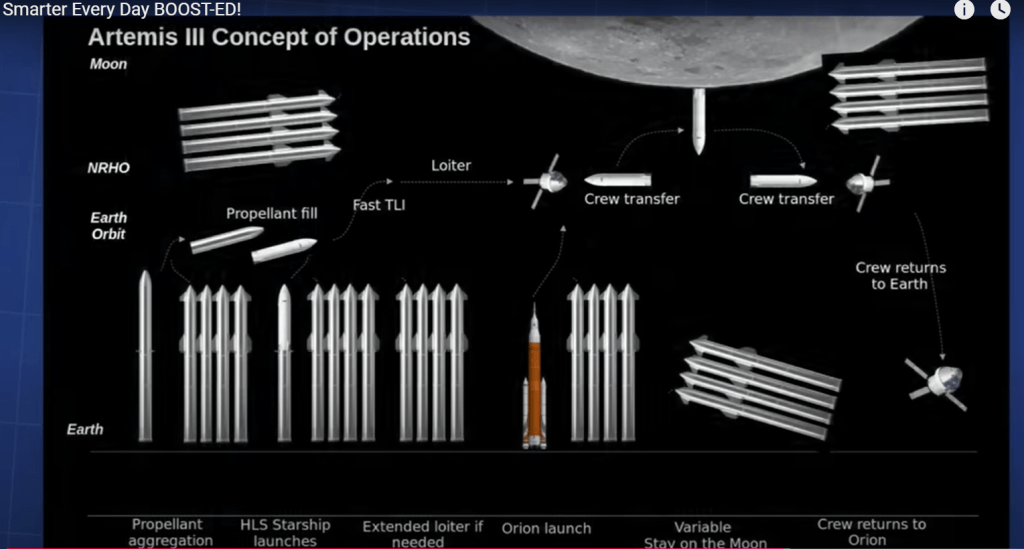
Starship is a complicated mess of a project requiring about 20 Starships to land one lunar module on the moon. Look at Thunderfoot’s video on the project for a deep-dive into more of Musk’s tomfollery. Scientists and engineers in Germany have published a paper on the infeasibility of a Starship mission to Mars. The below image is an outcrop of the video schematizing just how fanatstical is the Starship boondoggle that will never go to the moon.

And the woman at NASA, Kathryn Leuters, who personally chose Starship for the moon project, now works for SpaceX. You can’t make this stuff up. Corruption beyond the normal person’s imagination.

Colonizing Mars is a bad joke. As the deregulated and privatized capital (money) of the USA is flowing to the billionaires who want to look cool by saying outlandish things such as we can colonize Mars with our current technology, the science and technology of the USA continues to diminish as we hand over our lead to China. Some people are finally catching-on to what’s happening to our country the 40 years hence that Ronald Reagan handed over everything to the plutocrats. Shit, we can’t even colonize the deserts on Earth, which are a veritable cornucopia compared to Mars.

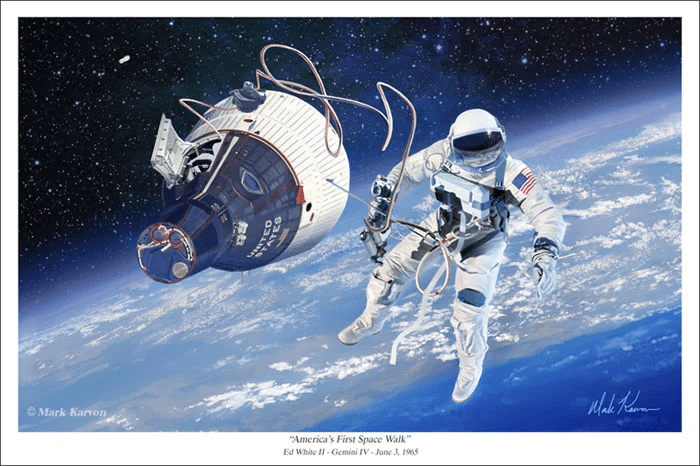
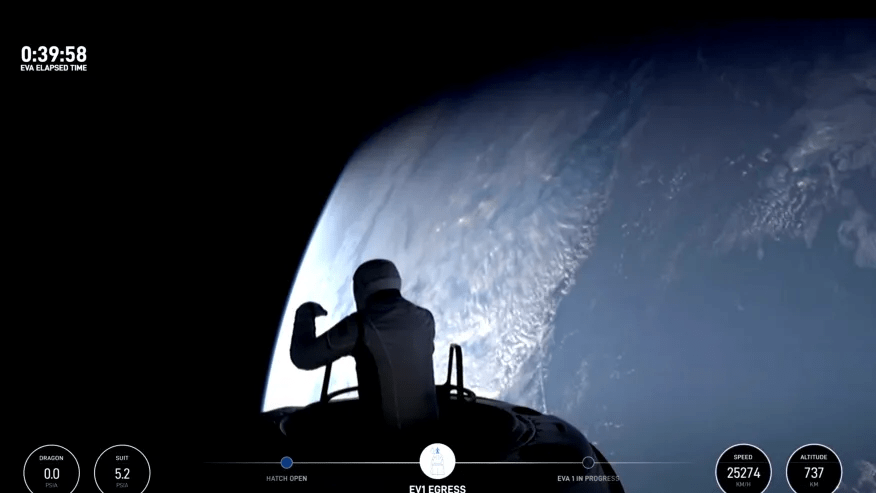
A picture of the billionaires who did a space walk during a SpaceX mission in 2024. Oh, wait a second, that’s a picture of NASA’s space walk in 1965, where, unlike SpaceX in 2024, the astronaut, Ed White, actually left the spaceship and “walked” in space.

The rich have taken over politics, do everything they can to make government look bad, and then tell the US middle class how bad the government is, having themselves made the government awful. Then the wealthy lobby and pay-off politicians, using the government doesn’t work mantra, to pass laws that deregulate and privatize government. Deregulation means the wealthy can do what they want. And privatization means the wealthy capture taxpayer’s dollars. Who cares if Tesla and SpaceX are polluting Texas. Pollution is the greatest cause of disease, but the rich guys don’t care. This deregulation allows the wealthy to then further strip down the government and takover those government functions. Electricity, water, prisons, schools, internet, “public radio and TV (yes, Republicans privatized these too),” the military, roads, elections, you name it, it’s in the hands of the wealthy and their corporations. And they do what they want with little interference. Houston, Texas-based Enron was a great example, where the rich guys in Texas did everything possible to hurt middle-class Californians. Want to send yourself into space along with some billionaire buddies, go ahead, the US middle class will pay for your folly. Hell, some of these middle-class morons will actually storm the US Capitol Building, break-in, and kill the Capitol Police, in defense of the plutocrats stealing wealth from them, the middle-class.

Meanwhile, the Chinese use their capital to build the world’s greatest science and technology. and they’re beating us on the moon and mars. China does not have a insel with a speech impediment leading their space program, instead they have an engineer leading their program.

SpaceX recently accomplished, well, almost accomplished, what NASA did back in 1965. Nearly 60 years ago, a man, NASA astronaut Edward White, exited the spaceship and floated around space on a tether back in ’65. Those were the days in the USA when science and scientists were valued. Scientists such as Dr. Thomas Paine, Ph.D., led NASA. But now, the privatized SpaceX and its billionaires couldn’t even accomplish in 2024 what NASA did in 1965. Instead, the SpaceX billionaires popped their heads outside the hatch and had a quick look while still in their space capsule. And, congratulations to the US middle class taxpayers, you’re hard earned dollars support these billionaires in their playtime in space.

SpaceX fails to accomplish what NASA did in 1965, but uses taxpayer dollars to give billionaires a joyride in orbital space.

Considering the SpaceX catch of the booster rocket for Starship, a miraculous feat, right?Here’s a picture ot it:

Oh, wait a minute. That’s the McDonnell-Douglas DC-X, known as the Delta Clipper, performing a precise reentry to the launch pad back in 1993. Another company, Astrobotic, has had reusable vehicles for years with the most rocket-powered return-to-pad-landings in the industry, not to mention the reusable Space Shuttle in the 1970s. Here’s Dr. Philip Mason, Ph.D., a chemist, take on the SpaceX Starship program and the reentry of the booster. Then there is Masten Space Systems – Masten has demonstrated more than 600 successful flight operations across five vertical takeoff and vertical landing vehicles beginning in 2009.

For a bigger waste of money, according to current estimates by scientists and engineers, a single Starship may need 20 other Starship launches to gather enough fuel through a complex refueling strategy in orbit to reach the Moon. NASA spelled-out the what a ridiculous plan is Starship for going to the moon, or beyond, in a 2023 report. Refueling will occur in low Earth orbit – so imagine the pollution that will take place during refueling due to the high number of launches and the anticpated failure of SpaceX to accomplish this task. Lots of launches and the resulting atmospheric pollution, along with the leakage of methane and other propellents that will likely spill during the sloppy and/or failed refueling attempts. You think global warming is bad now, just wait until Musk finishes off human life on the planet with his childish Buck Rogers fantasies.

In a presentation at a meeting of the NASA Advisory Council’s human exploration and operations committee Nov. 17, 2023, Lakiesha Hawkins, assistant deputy associate administrator in NASA’s Moon to Mars Program Office, said the company will have to perform Starship launches from both its current pad in Texas and one it is constructing at the Kennedy Space Center in order send a lander to the moon for Artemis 3.

SpaceX’s concept of operations for the Starship lunar lander it is developing for the Human Landing System (HLS) program requires multiple launches of the Starship/Super Heavy system. One launch will place a propellant depot into orbit, followed by multiple other launches of tanker versions of Starship, transferring methane and liquid oxygen propellants into the depot. That will be followed by the lander version of Starship, which will rendezvous with the depot and fill its tanks before going to the moon.

Musk had nothing to do with the creation of Tesla, wasn’t involved in its current successful technologies and cars (engineers Mark Tarpenning and Martin Eberhard created the company and its technologies), but brought stupid ideas such as FSD and robotaxies to the failing company. Musk also had nothing to do with SpaceX’s now successful technologies – those were developed by Tom Mueller and team. Like all the other things Musk has promised, such as underground tunneling and a hyperloop for transportation, Starship landing on the moon will never happen. Instead, we’ll see much pollution from SpaceX as the Chinese dominate space.

Florida, It’s Not a Tech Scene, It’s a Crime Scene

Florida has an economy built on rebuilding from hurricances and floods, fraud of all kinds, retirees, and tourism. Led by a corrupt governor, it’s a deregulated mess and falling down, fast. Conservative media that ballyhooed Miami as “Silicon Valley South” is media hype as the one and only large VC firm with offices in Miami pulls out after two years of non-action as the dream of a Miami tech hub is dead.

In the land that time forgot, led by a regressive, corrupt mafioso, DeSantis, once again Florida is #1 in healthcare fraud. South Florida is where medical equipment scams involving knee and back braces continue to flourish alongside more sophisticated billing schemes in the expanding field of telemedicine and genetic cancer testing. Florida is #2 in consumer fraud. The “Scumshine State” with so many people leaving the state, has exported it’s fraud to neighboring Georgia, which is now #1 in fraud with Florida at #2. Credit card fraud, guess who’s #1. Elder fraud, Florida got’s you covered. Corporate Ponzi schemes, Florida’s the place. Anything goes in Ron DeSantis’ deregulated Florida. Illicit drug money flows into the state, where money is often laundered in condos that will eventually collapse into the ocean. Drug money and money laundering makes for big buildings that obscure the views of the ocean, but the flooding running into you condo makes you realize that it’s there. As Florida floods, the raw sewage flows into whats left of people’s homes. The sewage is everywhere. And in Florida, they just keep building in flood prone areas. Florida is the land where climate science is ignored by the Republican-led government, but felt by the people. Oil tycoon money rules in Florida. I could go on, but you get the idea.

And Florida’s tech scene, the little that is present, is crashing. Why? There is a lack of talent and the elite universities that train talent, such as found in California, for instance at UC Berkeley, New York, and Massachusetts. Florida’s colleges are second rate and falling fast. VC funding in Florida is crashing. Right wing idiots like DeSantis are ruining the state’s college system. New College is fully destroyed. Others are crumbling. The state is dumbing down. The new curriculum in Florida is White Nationalism. Florida, especially Miami, is the land of tech fraud, biotech fraud, physician biotech fraud, and especially crypto fraud, along with nearby Bahamas, the home of FTX. Florida’s tech scene is a joke.

If your moving to Florida for it’s tech scene, move for the hurricanes and stay for the fraud – you’ll find little else. Like the state itself, the coral reefs in Florida are 90% destroyed. And….don’t forget your wading boots, because the cities are frequently underwater.
The Innovation Center of the World, California, Keeps Innovating

A random selection of new technology companies in California that are positive changemakers. The tech scene in California is booming, and so is California’s increasing population in 2024, while California became the 4th largest economy on the planet in 2025, surpassing Japan. If you believe the American mythology that technologies and start-ups are created by college dropouts, think again. You’ll see, by far, most are created by college grads and many by doctors of philosophy. 62% of Unicorn founders held post-graduate degrees, most are in California, over 40 years old, and UC Berkeley, followed by Stanford, are the leading schools for startup founders. If you’re listening to Peter Thiel (who has undergad and law degrees) telling you not to go to college, a failed idea, look at this list of founders, and think again. Indeed, California has the best universities on the planet, including UC Berkeley, UCSD, Stanford, UCLA, and Caltech, which are supporting the California innovation hub, and leading to upward mobility of many. For more than two decades, the University of California has been the leading university patent owner and among the top 100 global patent holders.

In the first half of 2025, roughly 68% of all U.S. startup funding went to California-headquartered companies. If you using the internet, ChatGPT, drive a Tesla or Lucid EV, use PowerPoint, search the web using your Apple computer, an Intel-based computer, buy products on ebay, using a computer or phone screen (quantum dots), store data using DataBricks, integrated circuits, use lithium-ion batteries, use PCR for genetic analysis, RISC computer chips, use an Intel processor, WYSIWYG software editing or Oracle software, immunotherapy for cancer (checkpoint inhibitors), you’re using technology created, or partially created, at UC Berkeley or by UC Berkeley grads. And if you’re using Google, you’re using a product developed by Stanford and Berkeley grads, and all of these technologies were developed with government funding and support. Using fiberoptics and satellite links? They are dependent on technology developed at Caltech by a Caltech grad. So is VLSI. You’ll see in the figure below that San Francisco and California are still, by far, the world’s leader in tech innovation. As always, San Francisco is the hub, and the city’s tech scene is booming, with people arriving from around the world. Let’s look at the new companies and their technologies now arising in California.

Three of the world’s top 15 startup cities are in California. San Francisco is #1, Los Angeles is #4, and San Diego is #13. No cities in Texas or Florida make the list. New York, Boston, and D.C. also make the list. Note – all are progressive US cities led by Democrats, and with first-rate universities.

Why do tech companies start or move to California? Because doing so raises their chance of success. Even the Imperial College London, one of the UK’s preeminent universities, and the Wharton School of Univ Pennsylvania, have started tech and educational hubs in San Francisco, CA. They join the massive intellectual power of California with its unparalleled universities and R&D centers (both public and private) that drive innovation. New York is similar, but other places, like Texas and Florida, don’t get it. TX and FL try to lure companies with tax breaks and gifts, further eroding their ability to develop educational hubs, that just don’t work. Austin, TX is an example of how not to build a tech hub.

The following list is some of what is happening in California. First, let’s look at some of the key academic research institutions in California that educate the tech leaders and often develop the technologies used by tech companies.

California Academic Research Institutions

UC Berkeley (Berkeley, CA) – This is the most innovative university on the planet. The #2 school, behind Harvard, for producing Nobel Laureates. Faculty Ashok Gadgil, Jennifer Doudna, Chenming Hu have won National Medals of Technology and Innovation, and David Patterson, Richard Karp, William Kahan, Mauel Blum, Silvio Micali, Shafi Goldwasser, and Micael Stonebraker have won the Turing Award. Whether it’s atomic power, nMRI, the 3-D transistor, the LASER, neuroplasticity, integrated circuits, autonomous-driving, SPICE to analyze integrated circuits, CRISPR, RISC computing, CETUS – the first biotech company, the Cyclotron, MEMS, radioactive carbon dating, lithium ion chemistry, all were discovered/invented on the UC Berkeley campus. Dr. Ion Stoica, professor in EECS, has cofounded 4 highly succesful, innovative companies: DataBricks, Anyscale, Conviva, and Opaque Systems. Databricks and Anyscale are unicorns.

Since 1959, the UC Berkeley Space Sciences Laboratory (SSL) has led the nation in the exploration of our atmosphere and deep space. The Space Sciences Laboratory (SSL) at UC Berkeley is one of only two university-based institutions in the U.S. capable of executing the full NASA mission lifecycle. SSL has led over a dozen NASA missions, taking them from concept to delivery at the launch pad to mission operation and scientific analysis. SSL provides engineering expertise to design, build, and test instrumentation for a range of space and ground-based projects. They’ve managed world-class science missions and operated spacecraft throughout our solar system. Their mission operations capabilities include a newly refurbished, all-digital mission operations center, and state-of-the-art facilities supporting cleanroom fabrication and assembly, along with environmental testing.

Nobel Laureate, Prof. Dr. Jim Allison, Ph.D., professor at UC Berkeley developed the now widely used checkpoint inhibitors, immunotherapy, for cancer treatment. This was a paradigm shift for treating cancer, neither destroying cells with chemo or irrdatiation that detstroys your own cells, nor jacking-up the immune system so that it destoys the cancer cells along with your own cells, checkpoint inhibitors renormalize your immune system so that it can attack the cancer cells.

Reading this on a computer or phone screen? Then your benefiting from Quantum Dots developed at UC Berkeley by Prof. Dr. Paul Alivisatos, PhD, a Berkeley grad who has won many awards, and his research team. Nanosys in Milpitas, CA is a manufacturer of quantum dots with over 650 patents and was cofounded by Prof. Dr. Alivisatos. Alivisatos’ other quantum dot company—Quantum Dot Corp., which he cofounded in 1998 to commercialize use of quantum dots for luminescent labeling of biological tissues—has since been acquired, and that technology is now found in biological and medical imaging tools made by Thermo Fisher Scientific. UC Berkeley faculty and alumni, and scientists at the Lawrence Berkeley National Laboratory (Berkeley Lab) have discovered more than 20 chemical elements on the periodic table, many of which are critical to new technologies. Berkeley’s grads have invented the computer mouse, print-based batteries, PCR, wetsuits, the lie detector, the modern lithium-ion EV (Tesla). Berkeley Lab is part of the UC Berkeley campus.

Berkeley National Labs (Berkeley, CA) – A national R&D lab managed by UC and affiliated with UC Berkeley, this institute is a wellspring of fundamental research and development leading to new commercial technologies. For example, one of the research teams discovered and published in 2025 that that atoms in semiconductors will arrange themselves in distinctive localized patterns that change the material’s electronic behavior. This discovery provides a foundation for designing specialized semiconductors for quantum-computing and optoelectronic devices.

Stanford (Stanford, CA) – The #6 school in producing Nobel Laureates. The current Nividia chips used to power Chat AI platforms were developed by Jonah Alben who has BSCSE and MSEE degrees from Stanford University. Recombinant DNA technology was developed here.

Caltech (Pasadena, CA) – The #7 school in producing Nobel Laureates. Caltech alum Dr. William Shockley, Ph.D. co-invented the transistor. Prof Dr Carver Mead, PhD received the National Medal of Technology in 2002 for his work in microelectronics. He invented Neuromorphic Engineering.

UC San Diego (San Diego, CA) – The #17 school in Nobel Laureates. Two photon absorption was discovered by Nobel Laureate, Prof. Dr. Maria Goeppert-Mayer, PhD while a professor at UCSD. Also, Nobel Laureate, Prof. Dr. Roger Tsien, Ph.D., was awarded the prize for his work on on GFP. This phenomenon underlies many imaging processes. UCSD is ranked #8 in the world for innovation among universities. The Fusion Engineering Institute is located on campus, in collaboration with San Diego’s General Atomics.

UCLA (Los angeles, CA) – The #20 school in producing Nobel Laureates. The nicotine patch and CT and PET Scans were developed at UCLA. The internet was first implemented at UCLA.

UC Santa Barbara (Santa Barbara, CA) – # 28 for Nobel Laureates. Atomic Force Microscopy was invented here.

UCSF (San Francisco, CA)- #32 for Nobel Laureates.

USC (Los Angeles, CA) – #33 for Nobel Laureates. Domain Name System (DNS) was invented at USC. USC had the first operational quantum computing system in academia in 2011. 

UC Santa Cruz (Santa Cruz, CA) – UCSC scientists released the first complete human genome sequence, advancing understanding of genetic diseases, human diversity, and evolution. Then they led the human pangenome project and the complete sequencing of the human Y chromosome, and made the first detection of carbon dioxide in an exoplanet atmosphere using the James Webb Space Telescope.

UC Irvine (Irvine, CA) #44 for Nobel Laureates.

UC Davis (Davis, CA) – Began as an ag station for UC Berkeley and notably saved the French wine industry from Phylloxera, later became UC Davis and known for crop improvements.

UC Riverside (Riverside, CA) – Leading the revolutionary development of electric-agriculture, a sustainable and cost-efficient method to grow crops. Co-developed by Prof. Dr. Robert E. Jinkerson, PhD.

UC Merced (Merced, CA) – Known for environmental sciences, they are spearheading a project to cover the vast array of canals in California with solar panels, yielding cooler solar panel temperatures that are therefore more efficient, while decreasing evaporation from the canals.

Wharton San Francisco (San Francisco, CA) – Wharton School’s California campus.

Imperial Global College San Francisco (San Francisco, CA) – The prestigious UK school’s campus in SF.

Stand.Earth (San Francisco, cA) – Environmental advocacy.

Djerassi Resident Artists Program – (Woodside, CA) – Artists, writers, musicians, and scientists come to the institute to think, learn, and create. Notable alumni include Prof Dr. Peter Walter, PhD of UCSF, awarded many times for his work on how proteins are processed in our bodies.

Tech Startups

Chemistry

Coreshell Technologies (San Leandro, CA) – Founded in January 2017 by UC Berkeley alumni Jonathan Tan and Roger Basu, part of UC Berkeley’s Skydeck incubator, Coreshell Technologies produces a nanolayer thin-film coating that fits into existing manufactured batteries. The technology could make rechargeable batteries last longer.

Molton Industries (Oakland, CA) – Molten has developed a process that not only enables the domestic production of graphite, but also at a lower cost, and while creating a highly valuable hydrogen co-product. Founders Dr. Kevin Bush has a PhD in Materials Science from Stanford University, and Dr. Caleb Boyd studied Mechanical Engineering and Materials Science as an undergraduate at UC Berkeley, during which he took time off to work in product design at Apple. Caleb received his PhD from Stanford University.

Perlumi (Berkeley, CA) –  Improved photosynthesis will sustainably supply the food, feed, fiber and materials a bountiful future requires. Founded by Dr. Chris Eiben, PhD, who earned his Ph.D. in Bioengineering at UC Berkeley, focusing on synthetic metabolism and protein engineering in Jay Keasling’s lab and dr. Michael Dougherty, PhD, who earned a B.S. in microbiology from Penn State and a Ph.D. in microbiology from UW-Madison. He worked on engineering protein transcription factors during a postdoctoral appointment at CalTech, and then worked on biofuels research at the Joint Bioenergy Institute at UC Berkeley.

Azolla (Oakland, CA) – Using carbon to make textiles. Azolla’s novel approach uses a genetically engineered bacterium that converts CO2 directly into pure biomaterial via photosynthesis, offering significant process efficiencies and potential for rapid adoption without downstream supply chain disruptions. Founders Lubica Hanacek and her husband Milan are grads of Kent State.

Aepnus (Berkeley, CA) – Aepnus electrifies and decarbonizes the production of a variety of commodity chemicals. Their ultra-efficient electrolyzers run on renewable electricity to process critical minerals, reagents, or metals at lower costs and associated emissions than the existing technologies. Founded by Dr. Lukas Hackl who has a PhD from UC Berkeley and Dr. Bilen Akuzum who has a PhD from Drexel Univ. and was a postdoc at UC Berkeley.

Serinus Labs (Berkeley, CA) – Ultra-low power gas sensors for emerging applications in electric mobility, atmospheric monitoring, energy storage and distribution.  Using proprietary technology, their sensors can simultaneously sense several gases at trace levels with unmatched precision, stability and reliability. They spun off from the Berkeley Sensor & Actuator Center (BSAC) at UC Berkeley. 

Geltor (Berkeley, CA) – Bespoke protein production. Founders Drs. Nick Ouzounov, PhD and Alex Lorestani, PhD met as Ph.D. students in their molecular biology lab at Princeton. 

Magrathrea (Oakland, CA) – Developing innovative technology for the production of carbon neutral light metal from seawater, has partnered with a multinational automotive manufacturing company to deploy US-made light metal in current and future vehicle products. Backed by the US-DOD. Founded by two chemical engineers.

Lyten (San Jose, CA) – Lyten is a supermaterial applications company. They pioneer in Three-Dimensional Graphene, a supermaterial that can be infinitely tuned to exhibit a unique combination of disruptive properties. They use 3D Graphene’s properties to build products that address some of industry’s greatest challenges. Greater strength. Lighter weight. Increased conductivity. Reduced carbon footprint. Batteries are one of the products they make. Founded by William Wraith III, a Stanford grad; Dan Cook a Stanford grad; Lars Herlitz, a grad of University of Linköping.

Circularity Fuels (Palo Alto, CA) – Aviation fuel from manure. Has made a compact reactor for converting biogas into synthesis gas, that can be used for the production of aviation fuel. Founded by Dr. Stephen Beaton, PhD – chemstry doctorate from Univ. Oxford.

Atoco (Irvine, CA) – To mitigate climate change, they capture carbon dioxide from industrial emissions and directly from the atmosphere. And to help resolve water scarcity, they capture clean water directly from the atmosphere. The comapnay was founded by and the technology was developed by Prof. Dr. Omar Yaghi, Ph.D., professor of chemistry at UC Berkeley.

EnergySourceMinerals (San Diego, CA) – They’ve developed technology to extract lithium from brines. Already they have licensed-out their technology. Commercialization of their processes is underway at the Salton Sea in Imperial County, California, which is one of the largest lithium deposits in the world. Dr. David Deak, Ph.D. is their technology leader. He was educated at the University of Toronto and Oxford University

Profluent Bio (Berkeley, CA) – Develops machine learning models that can read and write biomolecules for human health and industrial applications. Cofounded by Dr. Ali Madani, PhD from UC Berkeley.

Unigrid Battery (San Diego, CA) – They make sodium-ion batteries, which use abundant resources, are lower-cost, safer, and just as powerful as any other battery. Cofounded by Dr. Darren Tan, PhD, a doctorate in chemical engineering from UCSD and Dr Erik Wu, PhD, a doctorate in chemical engineering from UCSD.

Fluid Efficiency (Pasadena, CA) – Manufacturer of lubricant molecules designed to make fuels and oils safe and easy to move. Cofounded by Dr. Simon Jones, Ph.D. (from Oxford), Dr. Ming-Hsin Wei, Ph.D. (CalTech professor), and Dr. Julie Kornfield, Ph.D (CalTech professor).

Thintronics (Berkeley, CA) – The complex components of a single computer chip contain layers of microscopic components linked to one another through highways of copper wires, some barely wider than a few strands of DNA. Nestled between those wires is an insulating material called a dielectric, ensuring that the wires don’t touch and short out. Zooming in further, there’s one particular dielectric placed between the chip and the structure beneath it; this material, called dielectric film, is produced in sheets as thin as white blood cells. MIT Technology Review has a great article about Thintronics. Founder and CEO Dr. Stefan Pastine Ph.D is an alum of Columbia Univ.

Intropic Materials (Oakland, CA) – Making plastic bottles that recycle themselves under conditions of increased heat and moisture. Founder and CEO Dr. Aaron Hall, Ph.D., founded Intropic Materials while earning his PhD in Materials Science and Engineering at UC Berkeley.

Aepnus Technologies (Oakland, CA) – They’ve developed a low-cost electrolysis system that can produce commodity chemicals across sectors using renewable electricity. They’re casting off the old way of doing things – using fossil-based feedstocks and fossil-based heat for chemical production. Today, they’re working on the conversion of sulfate salts into high concentration sulfuric acid and metal hydroxides for the battery industry. Cofounded by Dr. Lukas Hackl, Ph.D., a grad of UC Berkeley, and Dr. Bilen Akuzum, PhD, a postdoc at UC Berkeley.

Capture 6 (Berkeley, CA) – A public benefit company, technology that removes CO₂ from the atmosphere while producing additional freshwater for local communities. Founder Dr. Ethan Cohen-Cole, Ph.D, attained his doctorate at the Univ Wisonsin.

Captura (Pasadena, CA) –  Their process uses renewable energy to remove CO2 from seawater and amplify the ocean’s natural removal of carbon from the atmosphere — all with no additives or by-products. This is a spin-out of Caltech, founded by Dr CX Xiang, Ph.D., (Ph.D. from UC Irvine) a Research Professor of Applied Physics & Materials Science at Caltech, where the proprietary membrane technology used by Captura was developed. He is also the lead researcher at several U.S. Department of Energy (DOE) ARPA-E studies, and by Dr Harry Atwater, Ph.D. (Ph.D. from MIT), a Professor of Applied Physics & Materials Science at Caltech. He is an experienced technology entrepreneur and a long-time pioneer in photovoltaics. Harry is Director of the DOE Energy Innovation Hub and a member of the National Academy of Engineering.

Hyfe (San Francisco, CA) – Converting plant waste to industrial chemicals. Unlike traditional biorefineries, Hyfé leverages food processing waste, such as grape pomace and carrot peels, which are rich in high-value specialty chemicals. cofounders Michelle Ruiz has a BS in chemical engineering from Carniege Mellon and Andrea Shoen is a grad of Northwestern University.

Ebb Carbon (San Carlos, CA) – Their approach boosts the pH of the water, shifting dissolved CO2 into the more stable bicarbonate and carbonate ions. Founded by Ben Tarbell, who has degrees in engineering and business from Stanford and Cornell, and Dave Hegeman who has two BS degrees in Marine Engineering and in Mechanical Engineering from the California Maritime Academy.

Evoloh (Santa Clara, CA) – They build the highest throughput electrolyzer stack factories in the world. Founded by Dr. Jimmy Rojas, PhD, who has a Ph.D. in hydrogen production and energy systems from Stanford University.

Oberon Fuels (San Diego, CA) – Manufacturer of renewable dimethyl ether fuel intended to address the growing problems of emissions and particulate matter in cities. The company’s fuel utilizes locally available organic wastes to produce low-carbon, zero-soot dimethyl ether fuel, an alternative to diesel that has applications in the trucking and heavy equipment industry. Cofounder Elliot Anise-Hicks is a grad of MIT.

Cloud Water Filters (San Diego, CA) – Clean, alkaline water filtering system.

Sierra Energy (Rocklin, CA) – Sierra Energy is focused on the development of gasification, a technology that turns trash into energy without burning. Founder Mike Hart is a grad of UC Davis.

Astral Materials (Mountain View, CA) – “Manufacturing Materials that Cannot be Made on Earth.” Cofounded by Dr. Jessica Frick, Ph.D. a grad of Princeton and Prof. Dr. Debbie Senesky, PhD a prof at Stanford and PhD grad of UC Berkeley.

Spiral Wave (San Fransciso, CA) – Sustainable platform intended to remove atmospheric carbon dioxide at a giga-scale for a clean environment. The company uses plasma technology that not only removes CO2 but also fosters a circular economy and covert it into methanol. Cofounded by two engineers, Abed Bukhari and Adam Awad.

Aizen Therapeutics (San Diego, CA) – They mak mirror proteins, i.e. fully D-amino acid peptides that represent a vast, unexplored chemical space beyond naturally occurring peptides and proteins. The mirror proteins don’t degrade as quickly by the body’s natural proteases because the enzymes in the body don’t know how to conform to these right-handed orientations. They are also not recognized by the immune system so as not to induce an immune response. Cofounded by Prof. Dr. David Van Valen MD, PhD of Caltech, a grad of MIT (BS), Caltech (PhD), and UCLA (MD), and Ajay Kshatriyaan who has a B.S. in chemical engineering from U.C. Berkeley, M.S. in engineering from Stanford University, and an MBA from Berkeley-Haas School of Business.

Origin Materials (Sacramento, CA) – sustainable and performance-enhanced solutions for improving recycling and circularity, including its all-PET caps and closures, as well as low-carbon material solutions for a wide variety of products and applications. The company just announced it’s discovered a novel way to produce plastics using bio-based feedstocks, like sawdust, old cardboard, and wood chips. Founders John Bissell has a B.S. in Chemical Engineering from the University of California, Davis and Ryan Smith received a B.S. in Chemical Engineering from the University of California, Davis.

Universal Fuel Technologies (Los Altos, CA) – Developer of chemical technology designed to make sustainable aviation fuel (SAF), gasoline, LPG (liquefied petroleum gas), (benzene, toluene and xylenes) BTX from alcohols, ethers, renewable naphtha and light olefins. The company’s technology converts various feeds into drop-in fuels or chemicals, enabling clients to manage the speed of their energy transition and be less dependent on a specific feedstock. Cofounded by Dr. Zachary Schmidt who has a Ph.D. in chemical engineering from Princeton.

HOPO Therapeutics (Berkeley, CA) –  HOPO Therapeutics developed HOPO-101, a heavy metal chelating agent that, if approved, would be the first orally available treatment for exposure to heavy metals and radioactive actinide elements such as plutonium, americium, curium, and uranium. Founded by Dr Julian Rees, Ph.D.

Aionics (Palo Alto, CA) – Artificial intelligence and physics-based simulation to design new, customized electrolytes for high performance electrochemical systems: electric vehicle and aerospace batteries, long-duration energy storage systems, decarbonized manufacturing. Founder Dr. Austin Sendek, PhD was educated at UC Davis and Stanford, Dr. Lenson Pellouchoud, PhD a grad of Brown and Stanford, and Prof. Dr. Venkat Viswanathan, PhD of the U. Michigan.

Nucleus Biologics (San Diego, CA) – They make recombinant proteins.

Chilldyne (San Diego, CA) – Liquid cooling systems for all applications, including aerospace and computers. Founded by Dr. Steve Harrington, PhD a UCSD grad in aerospace negineering and instructor at UCSD.

Correlia Biosystems (Berkeley, CA) – Correlia Biosystems is a UC Berkeley spinoff company based in Berkeley, CA. Correlia develops innovative microscale tools that accelerate rapid quantification of biomolecules. Founder Dr. Akwasi Apori, PhD, completed his PhD in Bioengineering at UC Berkeley/UCSF where he developed microscale assays for quantitative biology. He previously worked as a systems engineer at Boeing Satellite Systems and was a founder and principal investigator at Quantsupport. He obtained his BS/MS in Aeronautics and Astronautics from MIT.

Frontier Aerospace (Santa Clarita, CA) – Propulsion systems for aerospace. Founded by Jim McKinnon an engineering grad of Cal Poly.

HoneyBee Robotics (Altadena, CA) – Motion systems for aerospace.

Concrete AI (Los Angeles, CA) – Concrete Copilot delivers concrete producers a simple, fast, and flexible decision-making tool to optimize concrete performance, cost-savings, and carbon reductions. Founded by Prof. Dr. Mathieu Bauchy, PhD of UCLA.

Equatic Tech (Santa Monica, CA) – Equatic catalyzes and powers the green economy. Their seawater electrolysis couples carbon dioxide removal (CDR) from the atmosphere with the production of green hydrogen at low cost. Founded Prof. Dr. Gaurav N. Sant, PhD of UCLA.

Carbon Built (Torrance, CA) – Making ultra-low carbon concrete. Founded Prof. Dr. Gaurav N. Sant, PhD of UCLA.

AirMyne (Berkeley, CA) – Liquid solvent capture agent to capture carbon dioxide from the air. The carbon dioxide-rich liquid is then funneled to a desorption unit, where it is heated, releasing a pure stream of carbon dioxide, ready to be locked away. Founder Sudip Mukhopadhyay is a grad of UC Berkeley and Mark Cyffka is a grad of Harvey Mudd College (near Los Angeles).

Vesta (San Francisco, CA) – Vesta adds a carbon-removing sand made of the natural mineral olivine to coastal systems. This nature-based climate strategy reduces ocean acidity and removes carbon dioxide permanently. Founder David Sneider has a BS from Indiana University, Kelly Erhart is a grad of University of Central Florida, and Tom Green has a BA in Biological Sciences from Oxford University and an MBA from Harvard Business School.

EpicCleanTech (San Francisco, CA) – On site water recycling technology. Founded by Aaron Tartakovsky, a grad of TelAviv University and Igor Tartakovsky, who has BS and MS degrees from Osessa University.

Sway (San Leandro, CA) – Plastics made from sustainbly produced seaweed. Founders Julia Marsh is a grad of Brown Univ and Matt Mayes is a grad of UC Berkeley.

Heirloom Carbon (Brisbane, CA) – Limestone is an abundant and inexpensive rock that captures massive amounts of CO2 from the air over years in a process known as carbon mineralization. Heirloom’s technology accelerates this natural process to just days. Founders Shashank Samala is a Cornell grad and Dr. Noah Mcqueen received a B.S. in Chemical Engineering from Colorado School of Mines in May 2018 and a PhD from the University of Pennsylvania.

Clarity Tech (Los Angeles, CA) – Developer of an air capture system designed to reduce carbon dioxide from the atmosphere. The company’s technology captures the increasing amounts of carbon dioxide, enabling individuals to get a better and more sustainable environment. Founder Glen Meyerowitz has a BS from Yale and MS from UCLA.

H2-MOF (Irvine, CA) – safe and efficient hydrogen storage that doesn’t require liquefaction or high pressure using chemicals called metal-organic frameworks (MOFs). Microporous crystalline MOFs are formed by the self-assembly of inorganic metal clusters and organic linkers and can easily bind and release hydrogen. Founded by Prof. Dr. Omar Yagi, PhD of UC Berkeley, and Prof. Dr. Fraser Stoddart, PhD who was associated with a number of academic institutions, including the California Nanosystems Institute at UCLA/UC Santa Barbara. 

Chemix (Sunnyvale, CA) – AI platform for battery development. Founded by Dr. Kaixiang Lin, PhD, grad of Harvard and Dr. Jason Koeller, PhD, grad of UC Berkeley.

Manufacturing

Arris (Berkeley, CA) – Advanced manufacturer with a breakthrough technology enabling the highest-performing fiber-reinforced composites at scale. Cofounder Erik Davidson has a Master’s degree in composites from UC Berkeley.

PhenomeX (Berkeley, CA) -Tools and instruments for the life sciences.

KoBold Metals (Berkeley, CA) –  KoBold uses AI to search for signs of critical minerals. The strategy appears to have paid off: The company announced this year that it had discovered one of the largest copper deposits of all time, and it has raised nearly $500 million to exploit it. Cofounders Dr Kurt House has a BA from Claremont Colleges and a PhD from Harvard and Dr Josh Goldman has Ph.D. in physics from Harvard.

EarthGrid (Berkeley, CA) – The use plasma technology to make various types of tunnels for infrastructure needs. Founded by Troy Helming who is a grad of Univ Kansas and studied at U Penn.

Adams & Chittenden Scientific Glass Coop (Berkeley, CA) – Manufactures laboratory glassware and glass tools for scientific and industrial uses of all sorts. Their primary medium is borosilicate, or Pyrex glass. Their capabilities include the fabrication of standard laboratory glassware and all types of custom designed glass apparatus. They are manufacturers of OEM glass parts as well, in quantities of hundreds or thousands as required.

Limelight Steel (Oakland, CA) – Zero emissions steel production. Founded by Olivia Dippo, a UCSD grad and Andy Zhao, a Stanford grad.

MicroFactory (San Francisco, CA) – Table-top AI-controlled manufacturing platform. Founded by Igor Kulakov who holds an MSc. in Electro-Mechanical Enclosure Engineering from Odessa National Polytechnic University and Viktor Petrenko a degree from South Ukrainian National Pedagogical University.

Mainspring Energy (Menlo Park, CA) – Linear turbine technology that is flameless, low temperature reactions that are fuel efficient and less polluting. Currently deployed at Port of LA and Long Beach by Maersk. Founded by Dr. Shannon Miller, Ph.D., who has BS, MS, and PhD degrees in Mechanical Engineering from Stanford, where she was a National Science Foundation Fellow and received funding from the Global Climate Energy Project to advance her research. She was also recognized in 2012 by the MIT Technology Review as one of “35 Innovators Under 35. Dr. Matt Svrcek, PhD, who has BS, MS, and PhD degrees in Mechanical Engineering from Stanford; Dr. Adam Simpson, Ph.D., who has has a B.S. in mechanical engineering from Lafayette College and an M.S. and Ph.D. in mechanical engineering from Stanford University.

Linear turbine from Mainspring Energy in Menlo Park, CA

Artefact (Oakland, CA) – Green manufacturing materials and processes, in collaboration with UC Berkeley’s Berkeley Center for Green Chemistry.

Pow Bio (Berkeley, CA) – High efficiency fermentation platform for biomanufacturing. Founded by a UC Berkeley Ph.D. graduate and a Life Sciences executive, Dr. Ouwei Wang, PhD and Shannon Hall, BA from St. benedict and MBA from UC Berkeley.

Augmental Tech (San Francisco, CA) – Augmental Tech is a company that develops technology to help people with limited hand control use computers and mobile devices. The company was founded in 2019 by Tomás Vega and Corten Singer, both are UC Berkeley grads.

Resource (Oakland, CA) – Developed a process to make a bio-based platform chemical known as FDCA, which can be used to make plastics (such as PEF) that have better physical properties and superior performance over plastics made from fossil fuels. Founded by Aanindeeta Banerjee, PhD, a Stanford grad and Prof. Dr. Matt Kanan, PhD of Stanford.

Copper (Berkeley, CA) – They make induction stoves and ovens that are energy efficient and better performing tha gas stoves. Founder Dr. Sam Calisch has a PhD from MIT.

Elmworks (Berkeley, CA) – Next-generation electromagnetic devices. Developing additive manufacturing that can replace coil winding in the production of critical clean energy technologies like electric motors, wireless chargers, and next generation power converters. Founder Dr. Sam Calisch has a PhD from MIT and Tucker Gilman is a grad of Columbia University.

Akash Systems (Oakland, CA) – Oakland semiconductor startup Akash Systems was approved for more than $68 million in grants and tax credits through the CHIPS Act.  Akash’s unique expertise in integrating synthetic diamond substrates with compound semiconductor materials like Gallium Nitride, the company utilizes its Diamond Cooling technology to improve thermal performance of semiconductors that need to maintain high-performance capabilities in challenging environments. This emerging technology, pioneered by Akash, is shown to improve heat dissipation of semiconductor devices, which strengthens performance and reliability in microelectronic systems. Founder and CEO Dr. Felix Ejeckam Ph.D is a grad of Cornell University in New York.

Artefact (Oakland, CA) – Materials & Manufacturing Tech, Reshoring US Manufacturing with Artefact Mfg Tech,  Reducing carbon emissions by shifting manufacturing to the US, Replacing petroleum based materials with clean circular US agricultural materials.

Tensor Automotive (San Jose, CA) – Autonomous cars currently . Their care has 37 cameras, 5 lidars, 11 radars, 22 microphones, 10 ultrasonic sensors, 3 IMUs, GNSS, 16 collision detectors, 8 water-level detectors, 4 tire-pressure sensors, 1 smoke detector, and triple-channel 5G. Tensor is one of a few companies with a permit to test fully driverless vehicles on public roads in California. Founded in 2016 by former Princeton professor Dr. Jianxiong Xiao, Ph.D., a specialist in 3D learning, computer vision, and robotics.

Tarana Wireless (Milpitas, CA) – ngFWA is an entirely new technology built from the ground up to deliver reliable residential broadband. Overcoming multiple long-battled industry challenges, ngFWA provides affordable, fiber-class service with the deployment ease and scalability of wireless technology. Founded by Sergiu Nedevschi who was educated in Romania and UC Berkeley, and Dale Branlund who holds a Bachelor of Science in Electrical Engineering from California Polytechnic State University, and a Master of Science in Electrical Engineering from Santa Clara University.

Dynatomics (SF Bay Area, CA) – Dr. Larry Page, PhD, grad of Stanford has a new startup that is applying AI to product manufacturing.

Earth AI (San Mateo, CA and Stanmore, Australia) – AI software company focused on making predictions about potential mineral deposits, then approaching customers who might be interested in exploring sites further.  Founded by Dr. Roman Teslyuk, PhD, a grad of the Univ of Sydney.

H2 Clipper (Santa Barbara, CA) –  Specializing in hydrogen-based transportation and infrastructure, they have secured patents for a breakthrough in aerospace manufacturing using AI and swarm robotics. Founder Rinaldo Brutoco graduated from Santa Clara University in 1968 with a bachelor’s degree in economics and philosophy, and earned a Juris Doctor degree from the University of California, Los Angeles (UCLA) School of Law

SF Motors (Milpitas, CA) –  SF Motors, Inc., dba SERES, is a customer-oriented E-Powertrain technology development & manufacturing company. Founder John Zang is a grad of Georgian College.

Lumina (San Francisco, CA) – Autonomous, electric tractors for industry and construction. Founded by Ahmed Shubber who has a degree from Fairfield University.

SnapMagic (San Francisco, CA) – AI Copilot for engineers who design electronics. Founder Jude Gomila has an MS from Cambridge Univ.

Acumen (Oakland, CA) – Green engineering. Founder Walter Allen, MS in engineering from UC Berkeley.

Sinovia Technologies (San Carlos, CA) –  Printed organic light-emitting diodes (OLED). Founded by Dr. Whitney Gaynor, whose research at Stanford University focused on replacing the indium tin oxide transparent electrode in organic photovoltaics (OPV) cells. She has a BS in Materials Science from MIT and an MS and PhD in Materials Science from Stanford and Dr. George Burkhard who has a PhD from Stanford in optoengineering.

xMEMS (Santa Clara, CA) – Solid-State, All-Silicon Piezo MEMS Technology.

ReCarbon (Freemont, CA) – Converting carbon emissions into fuel. Founded by Dr Jay Kim, who has a PhD in physics.

The Hurd Company (Santa Monica, CA) – The Hurd Co makes agrilose: an agriwaste-based pulp used by apparel brands to make fabrics like viscose, rayon, and lyocell, which are normally made from trees. Agrilose is the same quality as standard wood pulp, and is available for the same price. Founder Taylor Heisly-Cook is a graduate of Northwestern University and the Bren School of Environmental Science and Management at UC Santa Barbara and David Mun received a Bachelor of Science degree from University of California, Los Angeles and a Master of Environmental Science from Bren School of Environmental Sciences at UCSB.

Felt (Oakland, CA) – They make maps with integrated datasets.  Sam Hashemi and Can Duruk are grads of Carnegie-Mellon.

Other Lab (San Francisco, CA) – From solar powered motorcycles to off shore wind projects, this group is a research and design lab is led by Dr. Saul Griffth, Ph.D., a grad of MIT

Impulse Labs (San Francisco, CA) – Electric/battery appliances for the home.  Founded by Sam D’Amico, a Stanford grad.

Pano (San Francisco, CA) Wildfire detection systems. Cofounded by Sonia Kastner, a physics grad of Harvard, MBA from Stanford.

SkySafe (San Diego, CA) – They build drone detection and warning systems. Founded by Grant Jordan a grad of UCSD.

Gridwrap (San Diego, CA) – Developed an advanced composite technology dubbed a Composite Wire Wrap that’s designed to mechanically reinforce existing aluminum conductor steel-reinforced (ACSR) cables. Adding composite material, such as carbon fiber, to high-voltage transmission lines allows for increased power capacity, which means that utilities can transmit more renewable energy to customers during high-demand hours

Pegbo (Menlo Park, CA) – They streamline supplier sourcing using its proprietary technology while supporting the participation of local, small, and diverse businesses in construction. 

Firestorm Labs (San Diego, CA) – The build unmanned aerial systems.

Airbuild (San Diego, CA) – Climate technology company intended for carbon capture, water filtration, and solar energy generation. The company engages in producing sustainable materials to integrate carbon credit independence by turning their buildings into living breathing organisms that permanently sequester and detoxify water using algae while generating energy through embedded solar cells and sustainable materials, enabling companies and governments to sequester carbon, generate energy, and filter wastewater onsite. Founder David Gory has a degree in engineering.

Hadrian (Torrance, CA) – They produce parts, using precision robotics, to cheaply, quickly and efficiently that they can take over production and supply chain management for defense startups. founder and CEO is Chris Power, a graduate of Monash University in Australia.

Velo3D (Freemont, CA) – Velo3D manufactures the Sapphire range of metal powder bed fusion 3D printing systems, with the non-contact recoater often touted as a key benefit that increases the likelihood of optimal builds. Founded by Benny Buller, Bachelor’s and Master’s degree in Physics from Jerusalem University.

PTEC Soultions (Morgan Hill, CA) – Fiber optic systems engineering.

CTEMS (Freemont, CA) – Electromechanical engineering.

New Tech Solutions (Freemont, CA) – Building IT infrastructure.

Nextracker (Freemont, CA) – Solar tracking systems. Cofounder San Shugar has a BS in electrical engineering from Rensselaer Polytechnic Institute and an MBA from Golden Gate University, Alex Au a BS in engineering from UC Santa Barbara, and Marco Miller a degree from McGill University.

Machina Labs (Chatsworth, CA) – They take a sheet of material and turn it into a part in a manufacturing process they call Roboforming. AI driven robots form the parts, doing so fast, accurately, and in a repeatble fashion.

Bolt Threads (Emeryville, CA) – Founded by a doctor of chemistry from UCSF and doctor of biophysics from UC Berkeley, they make vegan leather and silk.

Air Protein (San Leandro, CA) – They make proteins out of the elements contained in air through their airFermentation process.

Algenesis (San Diego, CA) – A spin-out of UCSD, Prof. Dr. Stephen Mayfield, Ph.D., has developed a means to make plastic from plants. It’s sustainable and biodegradable. They have products in the market.

Picogrid (El Segundo, CA) – Picogrid builds a unified data integration system that connects fragmented sensors, cameras, and autonomous systems, backed by a suite of native hardware platforms. Founder Zane Mountcastle has a BS from NYU.

IrisVision (Pleasanton, CA) – Co-founded by Prof. Dr. Frank Werblin, Ph.D., at UC Berkeley (co-author and one of my mentors at Berkeley), they make augmented reality goggles for low-vision patients.

Astroforge (Huntington beach, CA) – They make machines to mine asteroids for precious metal and minerals. Cofounders Matt Gialich has an MS in engineering from Cal Poly, and Jose Acain has an MS in engineering from Santa Clara College.

Orbital Composites (Campbell, CA) – Robotic 3D printers enable the manufacturing of continuous fiber composites. With mastery of advanced materials and AI robotics, Orbital #Machines enable the manufacturing of humankind’s highest-performing composte structures. Cofounder Amolak Badesha earned a Bachelor of Science in Electrical Engineering from the University of California, Davis and a Master of Science in Electrical Engineering from Walden University

Cellibre (San Diego, CA) – Sustainable production of natural ingredients, including therapeutics and therpautic candidates. Supported by the NIH and Dept of Defense.

Onego Bio (San Diego, CA) – Sustainable, bio-identical egg protein. Supported by the DoD.

Savor Foods (San Jose, CA) – Sustainably produced fats. Supported by DoD.

Hadrian Automation (Torrance, CA) – Automated plants for manufacturing. A manufacturing process for a particular part is analyzed by Hadrian in collaboration with experts in the field, and then an automated manufacturing process, partially AI driven, is implemented in their factories.

Sift (El Segundo, CA) – Sift is empowers engineers with actionable data. Their platform ingests the high-velocity, high-cardinality data streams generated by complex hardware, transforming them into clear, contextual insights. With Sift, engineers can monitor the workings of their machines, proactively identify and resolve anomalies, and make data-driven decisions quickly.

Unspun (Oakland, CA)- The world’s first 3D weaving technology for apparel and the key to fashion’s waste problem. Their Vega™ 3D system weaves yarn directly into clothing, quickly and efficiently. Deployed in microfactories, Vega™ eliminates the need for large order quantities while reducing transport emissions and lead times. It’s a localized just-in-time system. They partner with brands and manufacturers who are committed to streamlining and decarbonizing fashion supply chains using automated, localized, and low-impact production. Cofounder Beth Esponnette has degrees from Cornell and Stanford, Kevin Martin is a grad of the Univ Colorado, and Walden Lam received a MBA from Stanford.

Aquam (San Diego) – We’ve all heard the Flint story – bad pipes contaominating the drinking water in Flint, Michigan. Aquam fixes old pipes of all kinds by perfusing the pipes with a coating that stops leaks, and the contamination of what flows in the pipes.

Limelight Steel (Oakland, CA) – Instead of burning biomass to make steel, they use LASERs to make zero-emissions steel. Cofounder Olivia Dippo is a grad of UC San Diego, and Dr. Andy Zhao, PhD has a doctorate from UCSD.

Resource Chemical (Oakland, Ca) – That biomass not used to make steel, can now be used to make clean plastics. ReSource has created technology to produce high-volume plastics that are made from truly sustainable feedstocks – including CO2 and inedible biomass – yet outperform conventional materials and can be easily recycled.

Skysdale (San Francisco, CA) – Smart ski poles that fold. Founded by Cristina Ashbaugh, a grad of Emerson College and Kelly McGee, a grad of MIT.

Range Energy  (Mountain View, CA) – Electrifying the trailers on 18-wheel commercial trucks to extend the driving range of the rig. 

Instrumental (Palo Alto, CA) – AI for manufacturing quality control. Founders Anna-Katrina Shedletsky is a grad of Stanford and Sam Weiss has a BS from MIT and a MS from Stanford.

Next Energy Technologies (Goleta, CA) – They make solar panels that also serve as windows. Founder Dr. Corey Hoven, PhD has a doctorate in materials science from UC Santa Barbara.

Ocean Technologies

HyperKelp (San Diego, CA) – Maritime intelligence systems, such as electronic buoys. Founded by Dr Graeme Rae, Ph.D. a grad of Ocean Engineering and Artificial Intelligence from Florida Atlantic University, and Costas Soler who has a BA in astrophysics from UC Berkeley and worked at NASA’s Space Sciences Laboratory at UC Berkeley. 

AltaSea (Los Angeles, CA) – AltaSea at the Port of Los Angeles is dedicated to accelerating scientific collaboration, advancing an emerging Blue Economy through business innovation, and job creation, and inspiring the next generation, all for a more sustainable, just, and equitable world. They are currently deploying a mechanical device that converts wave action into electrical energy.

Splash Inc (Los Angeles, CA) – Developing the next generation of autonomous surface vessels (ASVs) to provide National Security and defend critical assets such as oil rigs and shipping terminals. Founder Ivan Avanesov has a BS from Univ. Pennsylvania and Marcell Veszpremi has EE degree from UCLA.

Robotics

Ambirobotics (Berkeley, CA) – Founded by Dr. Prof. Ken Goldberg, Ph.D. of UC Berkeley, they’ve commercialized AI robots for sorting materials in factories and distribution centers.

Covariant (Berkeley, CA) – Warehouse operations with AI robotic automation. The founders of Covariant AI are Prof Dr Pieter Abbeel, PhD of UC Berkeley, Dr. Peter Chen a PhD grad of UC Berkeley, Dr Rocky Duan, PhD from UC Berkeley, and Dr Tianhao Zhang, a PhD from UC Berkeley.

Kiwibot (Berkeley, CA) – Robotic delivery. I first saw this delivery system on the UC Berkeley campus delivering food to students. Founded by Felipe Chávez Cortés while a student at UC Berkeley.

Jacobi Robotics (Berkeley, CA) – They build software that makes robot arms faster and easier to program. Max Cao, Lars Berscheid and Yahav Avigal, launched Jacobi Robotics to build software that makes robot arms faster and easier to program. The three met at Berkeley AI Research Lab and started the company in 2022 based on their research in motion planning.

Robots.com (Berkeley, CA) – They have a number of different types of robots that are in service around the world, having completed more than 1.7 million tasks, the Company now powers delivery, logistics, and advertising robots for Fortune 500 customers across the United States, Canada, the United Arab Emirates and Saudi Arabia. Founded by Felipe Chavez, a grad of UC Berkeley.

Brain Corporation (San Diego, CA) – Their BrainOS® is the leading autonomy platform driving robotic and AI applications at scale, empowering organizations to automate and infuse intelligence into core operations with robots for factory and supply house applications. Backed by Qualcomm Ventures, the communications giant in San Diego that was cofounded by Prof. Dr. Irwin Jacobs, Ph.D., engineering professor at UCSD.

Squishy Robotics (Berkeley, CA) –  Sensor robots that can be air-deployed into hazardous areas to furnish persistent, ground-level, real-time data for operations. Based on a tensegrity architecture. Cofounded by Dr. Alice Agogino, PhD, prof at UC Berkeley, Dr. Brian Cera, PhD and Dr. Deniz Dogruer, PhD, both engineering grads of Berkeley.

Covariant AI (Berkeley, CA) – Trained on the largest multimodal robotics dataset from warehouses around the world, the Covariant Brain enables robots to pick virtually any SKU or item on Day One. Founded by Prof. Dr. Pieter Abbeel, Ph.D., a professor of electrical engineering and computer science at the University of California, Berkeley, and his students, Peter Chen, Rocky Duan and Tianhao Zhang.

Physical Intelligence (San Francisco, CA) – Physical Intelligence is an AI company developing machine learning for robots and other physical devices. Currently valued at $2 billion for its progress toward creating software that can work for a variety of robots. In its latest funding round, PI raised $400 million from investors, including Jeff Bezos and OpenAI. Founded by UC Berkeley EECS professor, Prof. Dr. Sergey Levine, Ph.D, Prof. Dr. Chelsea Finn, PhD, a Stanford professor who attained her PhD at UC Berkeley.

Chef Robotics (San Francisco, CA) – Robotics for food preparation. Founded by Rajat Bhageria who has a master’s degree in robotics from U. Penn.

RIC Robots (Torrance, CA) – 3D printing robots for the building industry. Founder Ziyou Xu is a grad of Columbia University.

RIC Robots building a Walmart store.

Kodiak AI (Mountain View, CA) – Autonomous vehicles. Founder Don Burnette holds a Bachelor of Science degree in Computer Science from the University of California, Berkeley.

Field AI (Irvine, CA) – “Embodied AI” where AI is embodied into various physical forms of robots, running on their own without outside controls, such as GPS. Founded by Dr. Ali Agha, Ph.D., who is leading FieldAI’s strategic vision and product development. Prior to FieldAI, during his distinguished 7-year tenure at NASA’s Jet Propulsion Laboratory (JPL), Dr. Agha was Principal Investigator for some of the nation’s most high-profile and cutting-edge projects in autonomy, including the DARPA Subterranean Challenge, DARPA RACER (Self-driving off-road cars), NASA’s Autonomous Mars Cave Exploration, and Coordinated Autonomy for Prototype Mars Helicopter-Rover. Dr. Agha led the CoSTAR team (JPL-MIT-Caltech-KAIST-LTU), which won the Urban phase of 2020 DARPA Challenge focused on exploring unknown complex urban environments. Prior to JPL, Dr. Agha was a researcher at MIT and Qualcomm.

Bedrock Robotics (San Francisco, CA) – Robotic contruction machinery. Founded by Dr. Boris Sofman, PhD, grad of Carnegie Mellon, Kevin Peterson, MS from Carnegie Mellon, Tom Eliaz, a grad of UPenn, Dr. Ajay Gummalla, PhD, a grad of Georgia Tech.

Salidrone (Alameda, CA) – If you watched the videos of the ocean waves in the center of Hurricane Milton, you were viewing Salidrone’s seagoing robotic technology.

VenHub (Pasadena, CA) – Fully autonomous, robotic Smart Stores. Founded by Shahan Ohanessian, computer science grad of USC

Robust AI (San Carlos, CA) – Developer of autonomous mobile robots designed for warehouse and manufacturing operations. The company’s platform features AI-powered workflows and a human-centric design, enabling businesses to quickly deploy robots with minimal infrastructure changes, seamlessly scale operations, and support dynamic material handling tasks. Cofounded by Prof Dr Rodney Brooks, PhD of MIT (he now lives in San Francisco) and Prof Dr Gary Marcus, PhD of NYU, Anthony Jules, MSc from MIT, and Prof Dr Henrik Christensen, PhD, professor at UC San Diego.

Ekso Bionics (San Rafael, CA) – Exoskeleton technology for those with mobillity issues. Founded by Prof. Dr. Homayoon Kazerooni, Ph.D., a professor of Mechanical Engineering at the University of California, Berkeley, where he also serves as the director of the Berkeley Robotics and Human Engineering Laboratory.

Cyngn (Menlo Park, CA) – Autonomous DriveMod TuggersForklifts and Stockchasers make intelligent, real-time decisions in factory settings. Cofounded by Ben Landen who has a MBA from UC Berkeley’s Haas School of Business, and BS Electrical Engineering at California Polytechnic University SLO.

Peanut Robotics (San Francisco, CA) – Capable and cost effective robots for the world’s labor market. Founder Joe Augenbraun has degrees from the Univ Delaware and gradute degree from Stanford, Ashis Gosh UC Berkeley College of Engineering and obtained a Master of Engineering degree in Product Design, Achille Verheye is a grad of Univ. Pennsylvania, and Stephen Hansen is a grad of UC Berkeley.

Tetsuwan Scientific (San Francisco, CA) – Autonomous technology firm building commercialization of artificial intelligence scientists specific to the life sciences. The company bridges the gap between lab robots and human scientists to breakthrough scientific discoveries, providing companies with artificial intelligence for research and development in the life sciences to achieve mass-manufactured scientific talent. Founded by Theo Schäfer who studied at MIT with a master’s in underwater autonomous robots and worked at NASA’s Jet Propulsion Lab exploring Jupiter’s moons for alien life and Cristian Ponce who graduated in bioengineering at Caltech.

Atom Limbs (Palo Alto, CA) – Mind controlled artificial limbs.  Cofounder Tyler Hayes is a grad of St. Olaf College, Doug Satzger a grad of University of Cincinnati, and Eric Monsef has a Masters of Science degree in Engineering from Santa Clara University.

Serve Robots (Redwood City, CA) – Autonomous last mile delivery of small items. Founder Ali Kashani received both his Bachelor of Science in Computer Engineering and his Doctorate in Robotics from the University of British Columbia, Dimitri Demeshchuk received his Bachelor of Physics from Ulyanovsk State University, and MJ Chun received a Bachelor of Arts with High Honors from Swarthmore College.

Procept BioRobotics (San Jode, CA) – A surgical robotics company focused on advancing patient care by developing robotic solutions in urology. Founded by Dr. Nikolai Aljuri, Ph.D. who has a Dipl.-Ing. in electrical engineering from the Universität Fridericiana zu Karlsruhe (KIT) in Germany and holds a Ph.D. in Medical Physics from the Harvard-MIT Division of Health Science and Technology at the Massachusetts Institute of Technology (MIT).

Figure (Sunnyvale, CA) – Humanoid robots. Founded by Brad Adcock, BA Univ Florida. Their senior robotics engineer is Dr. Jenna Reher, PhD who attained her doctorate at Caltech.

Kind Humanoid (Palo Alto, CA) –  Robotic company intended to optimize operations. The company specializes in delivering intelligent humanoids assisting people using large language models for high-level reasoning, enabling clients to automate and streamline tasks and operations. Cofounded by Dr. Christoph Kohstall, who has a PhD in physics.

Zoox (Foster City, CA) – This company actually has robotaxies operating, unlike that other company, Tesla, which operates on BS. Dr. Jesse Levinson, Ph.D. from Stanford, is the Co-Founder & CTO.

Rangeview (Berkeley and Los Angeles, CA) – The company has developed novel 3D printing technology for the production of molding casts and eliminating the need for support structures. The team at Rangeview has a strong background in robotics and are focused on reducing costs and increasing efficiency in the manufacturing process. Cofounded by Aeden Gasser-Brennan who attended UC Berkeley College of Engineering.

Canvas (San Francisco, CA) – They build robots for dry-wall construction, saving time and money. Currently operating in a number of projects, including the expansion of San Francisco International airport. Cofounded by Dr. Maria Telleria, Ph.D., graduate of MIT engineering, and Kevin Albert, MS in engineering from MIT. While visitng, stay at the best new hotel in the world, Luma Hotel, as ranked by Traveler’s Choice.

1X Technologies (Sunnyvale, CA) –  Creating a large supply of labor through safe, intelligent robots. Founder Bernt Børnich has bachelor of robotics and nano-electronics from the University of Oslo.

Aurora (Mountain View, CA) – Self driving trucks and cars. Founder Dr. Drew Bagnall has a Ph. D. in Robotics from Carnegie Mellon, Dr. Sterling Anderson a PhD from MIT, and Dr. Chris Urmson a PhD from Carnegie Mellon.

Bonsai (San Jose, CA) – Agricultural and off-road robots.

Chef Robotics (San Francisco, CA) – Helps food companies by increasing production volume with flexible robotics and AI.

Cobot (Santa Clara, CA) -Robots for materials movement. Founder Brad Porter is a grad of MIT.

Food and Agriculture

Climax Foods (Berkeley, CA) – Led by a Ph.D astrophysicist from Berkeley Lab, Climax uses AI to develop healthy, vegan cheese. Their cheese is so good, it is currently used at Michelin-starred restaurants and has won numerous prestigious awards.

Pivot Bio (Berkeley, CA) – Crop nutrition technologies harness the power of nature to deliver nitrogen to plants. They enable microbes to convert atmospheric nitrogen and deliver it to crops, providing a source of nitrogen throughout the growing season. Cofounded by Dr. Alvin Tamsir, Ph.D., who earned a BS in molecular and cell biology from the University of California, Berkeley and a PhD at the University of California, San Francisco, and Dr. Karsten Temme, Ph.D., who earned BS and MS degrees in biomedical engineering from the University of Iowa and his PhD from the University of California, Berkeley.

Perfect Day (Berkeley, CA) – Uses the process of precision fermentation to create ProFerm™, a highly functional whey protein that contains no lactose, cholesterol, hormones, or pesticides. Cofounded by Dr. Bonney Oommen, Ph.D., who earned his PhD and MBA from Utah State University.

Novel Frams (Berkeley, CA) – Manufacture a variety of animal cells with specific attributes that influence flavor and nutrition profile.Theye use expertise in synthetic biology and cell biology to cultivate animal cells in the most efficient way possible to bring down the costs of animal cell manufacturing. Combined with data-driven multi-omic media formulation platform, they are able to cultivate an infinite spectrum of animal cells with tunable flavor and nutritional profiles. Cofounded by two UC Berkeley post-docs, Dr. Nieves Martinez Marshall, PhD and  Dr. Michelle Lu, PhD. 

Plonts (Oakland, CA) – Sustainable food products of different flavors and textures. The company offers a category of plant-based cheese items by fermentation and aging to turn mild milk into enchanting cheese with authentic tastes and varieties. Plonts was founded in 2019 by Dr. Nathaniel Chu, Ph.D. and Josh Moser. After completing his PhD at MIT studying the human gut microbiome, Chu wanted to apply his love for microbes to creating fermented foods from sustainable, nutritious, and affordable plants.

Upside Foods (Berkeley, CA) – Lab grown, sustainable meat. Cofounded by Dr. Bob Kiss, Ph.D., a UC Davis and MIT alum.

Cultivated chicken from Upside Foods.

Root Applied Sciences (Oakland, CA) – Root’s pathogen monitoring system can help growers manage their crop more effectively. Just as spraying when the pathogen is not there is wasteful, not spraying when the pathogen arrives can create a domino effect that allows the pathogen to flourish. Moreover, knowing when and where powdery mildew pressure is very high can help growers better manage an outbreak through identification and elimination of pathogen sources, leafing, and adjustments to the spray program. Founder Dr. Sara Placella, PhD has a BA in Earth and Planetary Sciences from Johns Hopkins University and a PhD from UC Berkeley in Environmental Science, Policy and Management where she focused on microbial ecology and soil biogeochemistry. 

BlueNalu (San Diego, CA) – Lab grown seafood, replacing products that are inherently high in contaminants and that can be overfished, imported, or difficult to farm-raise. Founder Lou Cooperhouse received a MS in Food Science and BS in Microbiology, both from Rutgers University.

New Age Eats (Berkeley, CA) – Cultivated meat cells combined with plants to make meat products. Founder Brain Spears has a BS in chemical engineering from Brigham Young.

Wildtype (San Francisco, CA) – Cultured salmon. Dr. Aryé Elfenbein, Ph.D. and Justin Kolbeck co-founded Wildtype.

Finless Foods (Berkeley, CA) – Lab grown tuna. Cofounder Dr. Bryan Wyrwas, PhD is a molecular biologist and Michael Seldon has a degree in biochemistry.

California Cultured (Davis, CA) – Lab cultured coffee and chocolate. Cofounded by Alan Perlstein a grad of Columbia and an MS from NYU, and Dr. Harrison Yoon, PhD a doctorate in chemical engineering from Korea and a postdoc at Cornell.

Good Meat (Oakland, CA) – Sustainable lab grown meat. Founder Josh Tetrick was a Fulbright Scholar and grad of Univ Michigan.

HotSpot AG (Hanford, CA) – Automated solutions that empower farmers, water districts, and municipal agencies to maximize water efficiency while adapting to ever changing water conditions, policies and best practices. Founded by James Nichols, who has a degree in Crop Science and Management from UC Davis and continues to manage the farming operations at Nichols Farms while continuing to revolutionize the farming industry and establishing HotSpot AG as a leader in the field.

Bonsai Robotics (San Jose, CA) – Autonomous vehicles and their management for agriculture. Founders Tyler Niday has a degree from Cal Poly and a master’s from MIT, and Ugur Oezdemir has degrees from Tech Univ Berlin and Stanford.

Mission Barns (San Francisco, CA) – Cultivated meat. Various products on the market for those who eat meat. Mission Barns products contain real meat, without harming a single animal. A small sample from a pig is grown in a cultivator that mimics the animal’s body. Then, it’s combined with plant protein so you can enjoy Mission Barns meat. Founder Eitan Fisher has degress from Yale and Stanford.

The Better Meat Company (Sacramento, CA) – Mycoprotein-based meat. Founder Paul Shapiro is a grad of George Washington University.

Sensei Frams (Santa Monica, CA) – While the goal is good: using AI-powered greenhouses and robot harvesters to feed the world sustainably, the execution has been flawed. Led by egotistical people without proper education, Larry Elison and a physican named David Agus, the company has experienced too many problems like Wi-Fi issues and solar panels battered by Lanai’s winds — and rookie mistakes. Think greenhouses designed for Israel’s desert climate, when Lāna’i is typically muggy. The company also mixed mature and baby plants together, a blueprint for a pest paradise. Hopefully they’ll bring in some scientists to fix their mistakes and make of go of it.

Telesense (San Jose, CA) – Improve storage life and increase profitability with continuous remote monitoring of agricultural commodities. Cofounded by Prof. Dr. Naeem Zafar, PhD, a faculty member at the University of California, Berkeley,

Avela (San Diego, CA) – Manufacturer of R-1,3-butanediol a precursor to BHB-amino acid, BHB-Phe, can influence body weight and metabolism. Founded by Dr. Christophe Schilling, PhD, a grad of UCSD.

Zbiotics (San Francisco, CA) – Genetically engineered probiotics. Founded by Dr. Zack Abbott, PhD, has has degress from UC Berkeley and and Univ Michigan.

Solectrac (Windsor, CA) – Electric tractors. founded by Steve Heckeroth, who has an architecture degree from Arizona State.

Monarch Tractors (Livermore, CA) – Electric, autonomous tractors. Cofounded by Dr. Zachary Omohundro, PhD., alum of Carnegie Mellon University.

Farmwise (Salinas, CA) –  Automated mechanical weeder that uses a combination of AIcomputer vision and robotics to pull out weeds in vegetable fields without using chemicals. It has won several industry innovation awards related to agriculture and sustainability. Founded by Sebastien Boyer, a graduate of École Polytechnique and Massachusetts Institute of Technology, and Thomas Palomares, a graduate of École Polytechnique and Stanford University

Wild Genomics (San Diego, CA) – Pest control for crops. Founded by Drs. Eirik Torheim, PhD and Bilgenur Baloglu, PhD.

Farm Sense (Riverside, CA) – Pest detection to increase crop yields. Cofounded by 3 Ph.D. scientists.

Computers, Software, Semiconductors, and AI

Atom Computing (Berkeley, CA) – Atom Computing builds quantum computers using optically-trapped neutral atoms to create arrays of nuclear-spin qubits. They cool, trap, and control these qubits wirelessly using lasers. Their prototype platform, Phoenix, harnesses the power of 100 qubits to explore innovative quantum algorithms. They use next-generation systems with over 1,000 qubits that push the boundaries of system performance and scale.

Rigetti (Berkeley, CA) – Quantum processor chips are the foundation of their technology stack. Manufacturing these chips begins with the ability to design high quality quantum-coherent superconducting microwave devices. They leverage advanced modeling and simulation tools to design linear and nonlinear chip components, accurately predict performance behavior of large scale integrated quantum circuits (QuICs), and produce masksets to be fabbed in their own manufacturing facility, Fab-1. Founder Dr. Chad Rigetti, PhD, doctor of applied physics from Yale.

Fab-1 is a captive quantum integrated circuit foundry. They combine modern silicon semiconductor and MEMS processing technologies with novel manufacturing methods to produce state-of-the-art superconducting qubits and device layers for microwave circuitry. Their processes leverage superconducting materials such as aluminum, indium, and niobium in a series of subtractive patterning, etching, lithography, and deposition processes that result in ultra-low-loss superconducting devices.

Qolabs (Los Angeles, CA) –  Building Quantum Supercomputers: Scaling from Hundreds to Millions of Qubits. Founded by UC Berkeley grad Prof. Dr. John Martinis, Ph.D., who is also a professor at UC Santa Barbara; Prof. Dr. Robert McDermott, Ph.D., a grad of UC Berkeley and prof at Univ Wisconsin; and Robert Ho, a grad of Univ. British Columbia.

 Inversion Semiconductor (San Francisco, CA): Lithography systems for chip making using small particle accelerators. Founded by Rohan Karthik, masters degree in engineering from Imperial College, and Daniel Vega who has a MSc in Physics from University College London and a BSc in Applied Physics from UC Berkeley.

Substrate (San Francisco, CA) – Supposedly making Advanced LASERs and Lithography systems for chip making using small particle accelerators. The company is led by a big tallking con-artist and is associated with Peter Thiel, a guy who’s had a string of failures that cost many people alot of money. They have investors, but none of the investors have expertise in semiconductors. On their web, they claim to be hiring a bunch of Ph.D’s with relevant experience. Will be interesting to see how this one plays-out.

xLight (Palo Alto, CA) – Advanced LASERs and Lithography systems for chip making using small particle accelerators. Founder Nicholas Kelez is a grad of UC Berkeley. The company is deep in talent with Dr. Chris Anderson, PhD, a grad of uc Berkeley; Dr. Andrew Burrill, PhD, a grad of State University of NY at Stony Brook; and Dr. Bruce Dunham, Ph.D., a grad of University of Illinois Urbana-Champaign – all have had senior level roles at national labs in photonics and particle acelerators.

Franz (Berkeley, CA) – Also known as AllegroGraph. Neurosymbolic AI. The complex scheduling of the James Webb Space Telescope and the Hubble Space Telescope is done using Franz’s underlying technology. Founded by a UC Berkeley PhD student in mathematics, Fritz Kunze, in 1984. Because Neurosymbolic AI is making a comeback given the shortcomings of current LLM models, I’ve included this seminal company.

Machine Learning Labs (San Francisco, CA) – An open source artificial intelligence research and product company. They’re building access to the knowledge and tools to make AI work for people’s unique needs and goals. Mira Murati is the CEO and a grad of Dartmouth, Andrew Tulloch is their Chief Architect nad he is a grad of Univ Sydney (BS), Cambridge Univ (MS) and working on a PhD at UC Berkeley, and Dr. John Schulman, PhD, a grad of UC Berkeley and the developer of the ChatGPT technology is the Chief Scientist. Unlike many of the AI bullshit artists, such as Sam Altman and Elon Musk, Murati and Schulman will tell you that AI is in its infancy.

Framework (San Francisco, CA) – Modular computers that allow easy upgrades by the owner. Founder Nirav Patel is a grad of Carnegie Mellon University.

Applied Intuition (Mountain View, CA) – Provides software infrastructure to safely develop, test, and deploy autonomous vehicles
at scale. Founded by Mike Maples, BS engineering Stanford, and MBA from Harvard.

Symbolica AI (San Francisco, CA) – Neurosymbolic AI. Developer of a business model platform designed to help clients make structured reasoning. The company’s platform specializes in geometric and topological underpinnings of machine learning to train models using formal computational logic rather than statistical methods, enabling clients to be well-equipped to make business-enhancing decisions for their business growth.

Antimatter (Oakland, CA) – Data privacy solutions. a spinout of the RISELab at UC Berkeley, founded by two PhDs.

Motive (San Francisco, CA) – AI programs for business such as fleet management. Cofounded by Shoaib Makani, a grad of London Sch of Economics and Obaid Khan, a grad of Univ California, San Diego.

Atum works (Mountain View, CA) – Computer chip 3D lithography process to 3D print parts >10,000x cheaper in low-volume and 10x cheaper in mass-manufacturing compared to today’s 2D lithography. Founded by Lucas Pabarcius, a grad of Caltech and Stanford, and Malcolm Tisdale a grad of Caltech.

Harvey (San Francisco, CA) – AI analysis of legal documents. Founded by Winston Weinberg who holds a Bachelor of Arts from Kenyon College and a Juris Doctor from the University of Southern California Gould School of Law, and Dr. Gabe Pereyra, PhD, who earned a Bachelor’s degree in Computer Science from the University of Southern California and pursued a PhD in Neuroscience at the University of Oxford.

xAI (San Fancisco, CA) – AGI using LLM platform. Founded by Prof. Dr. Jimmy Ba, PhD, professor at U. Toronto and student of Prof Dr. Geof Hinton, PhD, prof at U. Toronto and former professor at UCSD.

Zip AI (San Francisco, CA) – AI business platform for product procurement and payment. Founded by Rujul Zaparde a grad of Harvard and Lu Cheng a grad of UC Berkeley.

Framework (San Francisco, CA) – They specialize in consumer electronics, computer hardware, and ethical tech. Bringing a RISC-V-based laptop to market in 2025. Founder Nirav Patel is a grad of Carnegie Mellon University.

Anysphere (San Francisco, CA) – Developer of an artificial intelligence-powered coding platform designed to help software engineers write code faster and more efficiently. The company automates common tasks in the software development process, such as linting, formatting, and code generation, enabling software engineers to focus more on creative and challenging aspects of their work. Founded by Michael Truell, Sualeh Asif, Arvid Lunnemark, and Aman Sanger, all of whom met while studying at MIT. 

Hooglee (San Francisco, CA) – Their mission is to change the way people connect through the power of AI and video. Our team is creating innovative solutions that bring people closer, simplify communication, and enhance engagement. Cofounded by Dr. Eric Schmidt, PhD, a UC Berkeley grad.

Greaten (Berkeley, CA) – AI data mining of large, unstructured data sets. Founded by Dr. Harvey Li, Ph.D., who has a PhD in statistics and machine learning from UC Berkeley.

Gretel AI (San Francisco, CA) – Synthetic training data sets for AI development platforms. Founder Ali Golshan is a grad of Univ Calgary, Alexander Watson is a grad of Indiana Univ.

Epoch AI (San Jose, CA) – Epoch AI is a research institute investigating key trends and questions that will shape the future of AI. The Director is Dr. Jaime Sevilla, PhD who is a grad of the Univ Aberdeen.

Flock Freight (San Diego, CA) – AI-powered pooling technology for shipping optimizes across Flock’s entire customer network, typically combining 2-3 shipments from thousands of businesses into an efficient Shared Truckload. Founder Oren Zaslansky is a grad of Cal State Long Beach and has an MBA from Harvard.

Ventana Mico Systems (Cupertino, CA) – RISC-V computer systems.

Recogni AI (San Jose, CA) – Developing its AI inference chip for both the generative AI and automotive industries. RK Anand has a MS from Syracuse Univ and Gilles Backhus has a MS from the Technical Univ of Munich.

Celestial AI (Santa Clara, CA) – Photonic-based integrated circuits. Founder David Lazovsky has a BS from Ohio Univ, and Preet Virk is a grad of Harvard.

Edge Cloud Link (Mountain View, CA) – Self powered data centers using hydrogen, and water production. Founder, CEO, Yuval Bashar is a grad of the Israel Institute of Technology.

Inception (Palo Alto, CA) – Diffusion large language models. Founded by Prof. Dr. Stefano Ermon, PhD, professor at Stanford; Prof Dr. Aditya Grover, PhD of UCLA who was a postdoc at UC Berkeley and PhD student at Stanford; and Prof Dr Volodymyr Kuleshov, PhD, a professor at Cornell and grad of Stanford.

Plaid Semiconductors (San Francisco, CA) – Plaid Semiconductors provides advanced interposers that surpass current market solutions, enabling heterogeneous systems with seamless integration of hundreds or thousands of chiplets. Theit technology is suited to next generation of AI and high-performance computing affording efficiency and scalability. Founder Dr. Pratik Nimbalkar, PhD is a grad of Georgia Tech

Ayar Labs (San Jose, CA) – Optical input/output computer technolgies. Cofounded by Dr. Mark Wade, Ph.D., a grad of MIT, UC Berkeley, and U. Colorado, and Dr. Vladimir Stojanovic, Ph.D. a professor at UC Berkeley and grad of Stanford.

Abundant AI (Freemont, CA) – When AI fails, as it often does, Abundant takes over. Its API allows it to catch when an AI agent fails, and allows one of its human operators to step in and take over. Fouinder Jesse HU is a grad of Duke, Meji Abidoye is a grad of U. Buckingham, Ke Huang has a BS and MS from Rice Univ.

SiFive (Santa Clara, CA) – Risc-V computer chips. Cofounded by Prof Dr. Krste Asanovic, PhD, professor at Berkelet EECS and Drs. Yunsup Lee, Ph.D. and Andrew Waterman, PhD, Berkeley EECS alums.

d-Matrix (Santa Clara, CA) –  d-Matrix has focused on memory bandwidth and innovating on the memory-compute barrier. Thy’ve built a digital in-memory compute core where multiply-accumulate happens in memory and you can take advantage of very high bandwidth – about 150 terabytes per second. Founded by Seth Sheth and Sudeep Bhoja, both have MSEE from Purdue.

Nuvia (Santa Clara, CA) – Acquired by Qualcomm for over $1 billion, the company was founded by three engineers, Gerard Williams IIIJohn Bruno, and Manu Gulati.

Snowflake (San Francisco, CA) – Snowflake moves back to San Francisco after moving to Montana and as a result losing ground to Data Bricks.

Cartesia AI (San Francisco, CA) – Multimodal intelligence tool designed to enable real-time, on-device artificial intelligence capabilities on every device. The company’s tool allows to facilitates a generative voice application programming interface, model architectures, and state space models across diverse modalities including text, audio, video, images, and time-series data, enabling developers to build sophisticated user interaction across various devices. Founders Dr. Karan Goel, PhD is a grad of Stanford, Dr. Albert Gu, PhD grad of Stanford, Dr Arjun Desai, PhD of Stanford, Brandon Yang grad of Stanford, and Dr Chris Ré, PhD of University of Washington.

Databricks (San Francisco, CA) – Data management with an AI component, a very successful billion dollar unicorn. Founded by Prof. Dr. Ion Stoica, PhD of UC Berkeley and his graduate students.

Anyscale (San Francisco, CA) – Anyscale is a configurable AI platform. Together, its components form a unified AI platform that gives your AI/ML builders tools to realize better production speed and cost efficiency. Developed at UC Berkeley by Prof Dr. Ion Stoica, PhD and his students at Berkeley. Currently used by many companies, including OpenAI.

Tenstorrent (Santa Clara, CA) – Tenstorrent develops advanced AI hardware and software solutions for data processing and machine learning application. Recently moved from Toronto to California.

NinjaTech AI (Los Altos, CA) – Cross-platform AI agents. Founded by Babeck Pahlavan who has a M.S. in Electrical Engineering from Stanford University, and a B.S. in Electrical Engineering and Computer Sciences (EECS) from UC Berkeley, Sam Naghshineh who has a BS in engineering from U. Arizona, and Dr. Arash Sadrieh, PhD whose doctorate is from Oxford in computer simulations.

Sandbox AQ (Palo Alto, CA) –  Large Quantitative Models (LQMs) for life sciences, financial services, navigation, cyber and other sectors.

Blue Qubit (Los Angeles, CA) – Developer of a quantum computing platform designed to create a universal software library for quantum computers. The company provides users with operating systems to run specifically on gate-based quantum algorithms, and provides job metadata and history through software manufacturing and quantum computing. Cofounder Dr. Hrant Gharibyan, PhD is a grad of Stanford.

PsiQuantum (Palo Alto, CA) – Using light in silicon chips to create a giant programmable quantum computer that can outperform classical machines — and do it soon. By the end of 2027. They use light as a qubit. Their “photonic” quantum computing is now claimed in 2025 to commercially scalable. Cofounded by Prof. Dr Jeremy O’Brien, PhD of Stanford, Prof. Dr. Terry Rudolph, PhD of Imperial College, Dr. Pete Shadbolt, Ph.D, and Dr. Mark Thompson, Ph.D.

HuLoop AI (Auburn, CA) – Automation for businesses. Seamlessly automates business processes spanning across diverse systems (web, mobile, desktop, packaged apps, and data sources).

Silicon Catalyst (Palo Alto, CA) – The only incubator + accelerator focused on the Global Semiconductor Industry including Chips, Chiplets, Materials, IP and Silicon fabrication based Photonics, MEMS, Sensors, Life Science and Quantum.

QC Ware (Palo Alto, CA) – Quantum-computing-as-a-service company. Founders Matt Johnson, MBA (UPenn, Wharton) BS (US Air Force Academy); KJ Sham, MBA, PhD (Electrical Engineering, University of Minnesota), M.Eng (EECS, MIT).

Astera Labs (Santa Clara, CA) – Chips and software for AI. Founder Jitendra Mohan has an MSEE from Stanford University, Sanjay Gijendra has a master’s degree in engineering management from University of Colorado at Boulder, and Casey Morrison an MSEE from the University of Florida.

SiMa (San Jose, CA) – Chips for edge AI. Founded by Krishna Rangasayee, who has an MS in engineering from Mississippi State.

ReconRF (San Diego, CA) – Manufacturer of monolithic microwave integrated circuits designed to distribute circuit and electromagnetic simulations across multiple processors. The company leverages parallel computing to readily optimize on-chip component values with EM-level accuracy to explore design options and verify the performance of large-scale systems, enabling customers to use the distributed EM analysis option in cadence RF technologies to accelerate product development and enhance amplifier performance.

Mobix Labs (Irvine, CA) – Mobix Labs delivers next-generation connectivity solutions that address the toughest challenges in 5G wireless and advanced communications systems, including space systems. Founder Fabian Battaglia has a BSEE from Lawrence Technological University in Southfield Michigan.

Perplexity AI (San Francisco, CA) –  Conversational search AI model that is designed to answer queries using natural language predictive text. It generates answers for users using web-based sources, but also boasts the unique function of citing the webpage links from it is generating its answers. Cofounded by Dr. Arind Srinivas, Ph.D., doctorate awarded from UC Berkeley, Dr. Andy Konwinski, PhD, doctorate from UC Berkeley, Dr Dennis Yarats, PhD, doctorate from NYU.

Ava (San Francisco, CA) – Enabling deaf and hard-of-hearing people and inclusive organizations with the best live captioning solution for any situation. Part of UC Berkeley’s SkyDeck Incubator.

Launch Darkly (Oakland, CA) – Product launch platform. Founder Edith Harbaugh has a BS engineering degree from Harvey Mudd and an MS in economics from Pomona College, both presitgious liberal arts colleges located near Los Angeles.

11X ai (San Francisco, CA) – Digital workers for Sales, RevOps, and Go-to-Market Teams. Another company that moved to California.

Krea AI (San Francisco, CA) – Another AI company that moved from Florida to California.

Notion AI (San Francisco, CA) – Productivity software. Cofounded by Ivan Zhao, a grad of U. British Columbia, and Chris Puchua, a grad of U. Michigan.

Anthropic AI (San Francisco, CA) – LLMs with a focus on safety. Cofounded by Univ Claifornia Santa Cruz alum, Daniela Amodei who graduated summa cum laude from UCSC with a Bachelor of Arts in English Literatureand Dr. Dario Amodei, Ph.D., an alum of CalTech, Stanford, and Princeton.

Letta (San Francisco, CA) – Developing LLMs as operating systems. Founded by Berkeley PhD students Sarah Wooders and Charles Packer at Berkeley’s SkyDeck, with their advisor, Prof. Dr. Ion Stoica, Ph.D., EECS professor at Berkeley.

SandboxAQ (Palo Alto, CA) – AI quantum computing, developing Large Quantitative Models (LQMs), address key challenges in drug discovery, new materials for the auto and aerospace sectors, and investment asset management. Founded by Dr. Eric Schmidt, PhD, a UC Berkeley alum, and Jack Hidary a graduate of Columbia University.

Abel (San Francisco, CA) – AI for identifying criminals, limiting misidentification of the innocent.

Personal AI (San Diego, CA) – They build small language model AIs for enterprises handling sensitive data and proprietary information that can’t be uploaded to models like ChatGPT. Led by CEO Suman Kanuganti, a UCSD Rady School of Management MBA graduate, Personal.ai has already made significant strides since launching its product 10 months ago, boasting nearly $2 million in annual recurring revenue

Single Sprout (Newport Beach, CA) – Another AI company that moved to California.

Open AI (San Francisco, CA) – Large language models for research and business applications. Cofounded by Dr. John Schulman, Ph.D., Berkeley Ph.D. alum from EECS. Just closed one of the largest fundraising rounds in U.S. history. A $6.6 billion recent raise is a huge sum that will fuel its cash-burning work of researching and selling AI products. The fresh cash gives OpenAI a paper valuation of $157 billion.

World Labs (San Francisco, CA) – Led by Prof. Dr. Fei-Fei Li, Ph.D., the Stanford professor many deem the “Godmother of AI,” has raised $230 million for her new startup from backers including Andreessen Horowitz, NEA, and Radical Ventures. Dr. Li did her Ph.D. at CalTech with Dr Pietro Perona, Ph.D, a Berkeley Ph.D. alum. Cofounder is Dr. Ben Mildenhall, Ph.D, a Ph.D alum from UC Berkeley. You see how Berkeley, CalTech, and Stanford are seminal in AI. WL is developing what it calls “large world 3D spatial models” that will be used by professionals such as artists, designers, developers, and engineers.

Micropsi (San Francisco, CA) – Another company that’s moved it’s HQ to California. They do AI vision for robotic applications.

Fire Aside (San Anselmo, CA) – Fire Aside offers a suite of products to fire departments and other public safety agencies to digitize inspections of homes and businesses for compliance with defensible space and home hardening requirements. 

Cloudflare (San Francisco, CA) – AI to protect your website from being scraped by unwanted bots. Their technology derives from the patented work of Prof. Dr. Arthur Keller, Ph.D. at Univ. California Santa Cruz, who attained his Ph.D. at Stanford.

Groq AI (Mountain View, CA) – AI chips and software founded by a group of former Google engineers. Groq LPU executes complex neural network operations in a highly parallelized manner, 18X faster than normal GPU architectures. Cofounded by Jonathon Ross, a graduate of NYU in mathemtics and CS.

Cerebras (Sunnyvale, CA) – Huge, fast chips and cloud supercomputers for generative AI. They’re in the market and challenging Nividia. Their team is loaded with talent, including MS and PhD engineers from Switzerland, Stanford, UCLA, and Berkeley, including Michael James, a UC Berkeley alum.

Memcomputing (San Diego, CA) – Connected computational units that dynamically respond to one another with integrated memory. A spinout of UCSD professors.

Keneron (San Diego, CA) – On-edge AI chips. Founded by Dr. Albert Liu, PhD who graduated from a joint UCLA/Berkeley PhD program.

SambaNova (Palo Alto, CA) – Configurable architecture helps developers squeeze efficiency from AI models. Reconfigurable dataflow architecture composed of tiles of memory and compute resources. The links between these tiles can be altered on the fly to facilitate the quick movement of data for large neural networks. Led by Rodrigo Liang, who has BS and MS degrees in EE from Stanford, and much industry experience.

Rain Neuromorphics (San Francisco, CA) – building computer chips based on the brain’s architecture. Like the brain, Rain circuitry uses both analogue and digital processing. Cofounded by Dr. Juan Claudio Nino, PhD, alum of Penn State.

Valar Labs (Palo Alto, CA) – AI for detection of solid tumors. Founded by Anirudh Joshi, BS from Georgia Tech and MS from Stanford.

Etched AI (San Francisco, CA) – AI transformer chips that are much faster and less expensive than GPU chips, Cofounder Chris Zhu graduated Summa Cum Laude from Harvard University. 

Safe Superintelligence Inc. (Palo Alto, CA) – They’ve raised $1 billion in a seed round! Stay tuned. Talk about hype, Safe Superintelligence’s valuation ballooned from $5 billion to $30 billion since its launch last June, 2024. Founded by Dr. Ilya Sutskever, PhD, a student of Prof Dr. Geoffrey Hinton, PhD at Univ Toronto.

pSemi (San Diego, CA) – integrated semiconductor devices.

Ubilite (San Diego, CA) – Wi-fi chips. Cofounded by Dr. Peter Gammell, Ph.D., alum of MIT and Cornell.

Obsidian Sensors (San Diego, CA) – Thermal sensors, founded by John Hong, alum of MIT.

Yembo AI (San Diego, CA) – AI for moving. Founded by 2 engineers formerly of San Diego tech giant, Qualcomm.

LeapFrog Semiconductor (San Diego, CA) – Semiconductors for 5G.

Elevate Semiconductor (San Diego, CA) – Semiconductor testing systems. Founded by Patrick Sullivan holds a Bachelors degree in Electrical Engineering from The University of Wisconsin

Lightmatter (Mountain View, CA) – With the end of Moore’s Law, scaling AI performance at the chip level increasingly requires integrating more silicon in a single package. Many GPU and accelerator providers address this by incorporating multiple processor, memory and I/O chiplets onto an electrical silicon interposer. While this approach boosts compute capabilities within a package, the I/O bandwidth of the chip is severely constrained by the limited shoreline and the competing need to integrate more memory. Lightmatter’s Passage platform overcomes these shoreline constraints by using 3D integration of customer dies directly onto a silicon photonic interconnect, enabling optical I/O anywhere across the chip area. This platform provides significantly higher connection density and bandwidth both within and outside the package. Additionally, it natively integrates Optical Circuit Switching (OCS) within the interconnect, offering enhanced resiliency and flexibility in interconnect topology.

Founded by Dr. Nicholas Harris, PhD, doctorate in Electrical Engineering and Computer Science at the Massachusetts Institute of Technology; Dr. Darius Bunadar, PhD, obtained his PhD in physics at MIT studying quantum computation and communication using compact nanophotonic circuits; Thomas Graham, grad of Georgetown and MBA from MIT.

Ampere (Santa Clara, CA) – Develops processors for servers operating in large scale environments. Founded by Renee James, BA and MBA from U. Oregon.

Fundamental Research Labs (Menlo Park, CA) –  Develops apps that allow you to chat with an AI bot, connect applications, and ask questions across the knowledge bases of those applications, then ask it to schedule appointments for you on your calendar. The app can schedule workflows for you to repeatedly execute some tasks. The apps allow startup engineers to test out various capabilities of models and platform tech it is developing. Founder, Dr. Robert Yang, PhD, is a professor at MIT,

Green Energy

Twelve (Berkeley, CA) – Twelve is converting carbon dioxide emissions into sustainable jet fuel. It recently launched the first commercial-scale production facility for power-to-liquid sustainable aviation fuels in the USThey’ve garnered huge amounts of investment from companies like Microsoft, Shopify, and Alaska Airlines—which see Twelve’s technology as key to reaching their own sustainability goals—are underwriting some production costs and may help the company scale. Cofounder Dr. Kendra Kuhl, Ph.D., has a doctorate in chemistry from Stanford and Nicholas Flanders has a M.S. in engineering and MBA from Stanford University.

Harvest Thermal (Berkeley, CA) – Efficient heat pump and a “smart thermal battery” to heat, cool, and provide hot water in homes, all using clean energy. Cofounded by Dr. Jane Melia, Ph.D. and her husband who is an engineer.

ARCHES h2 (Oakland, CA) – A corporation composed of a consotium of groups to bring green energy to California, especially hydrogen.

Terrebase Energy (Berkeley, CA) – Terabase is building an interconnected digital and automation solar platform that reduces cost and increases scalability. Founded by Matt Campbell,  BA degree from the University of Wisconsin and an MBA from UC Berkeley.

Deep Fision (Berkeley, CA) –  Underground small modular reactors (SMRs). Cofounded by Dr. Richard Muller, PhD, doctorate in physicis from UC Berkeley and Elizabeth Muller a grad in mathematics from UC San Diego and an MBA from Paris.

Calectra (Oakland, CA) – Thermal energy storage systems. The technology involves using bricks to convert electricity into high-temperature heat, then storing and delivering that heat — potentially up to 1,600 degrees Celsius — by piping it to industrial manufacturers. Founder Pauliina Meskanen has BS and MS degrees in engineering, and Dr. Nate Weger, PhD is an engineering grad of UC Berkeley.

Marathon Fusion (San Francisco, CA) – Nuclear fusion for energy. Recently, Marathon turned its attention to nuclear transmutation, proposing to introduce a mercury isotope, mercury-198, into a fusion reactor to turn it into mercury-197, and they also plan to produce gold. Founded by Adam Rutkowski who has a Bachelor of Arts in physics at Carleton College and his Master of Arts in astrophysical sciences at Princeton University.

Pacific Fusion (Freemont, CA) – Dr. Keith LeChien, Ph.D., Pacific Fusion co-founder and chief technology officer, invented a technology that more than doubles the efficiency and power density of what Sandia researchers did with the Z Machine. Dr. LeChien is a grad of Univ Missouri.

Biogenic Energy (San Francisco, CA) – Green energy from hydrogen. Founded by Prof. Dr. R. W. Dibble, Ph.D., who is the head of the Combustion Laboratory at the University of California, Berkeley; Dave Williamson who has a BS in Civil Engineering from Tulane University in New Orleans; Craig Mlott who has a BS in Electrical Engineering and BA in Economics from Stanford University and a MBA from the Anderson School of Business at UCLA.

Aetherflux (San Carlos, CA) – Beaming solar power from space. Founded by Baiju Bhatt who has an MS from Stanford.

SunTrain (San Francisco, CA) – Manufacturer of reliable renewable energy storage intended to provide affordable energy storage to consumers. The company makes decarbonization possible and profitable by leveraging existing infrastructure and technologies and delivering renewable energy using existing rail resources, enabling clients to access on-demand and affordable storage anywhere.

Verne (San Francisco, CA) – Hydrogen storage and transportation. Founded by Dr. David Jaramillo, PhD who has a PhD in chemistry from UC Berkeley, Ted McKleeven, a BA from Harvard and MBA from Stanford, and Bav Roy has an engineering degree from UNSW and an MBA from Stanford.

Antares Nuclear (Redondo Beach, CA) – Fission microreactors. Founder John Bramble is a grad of George Mason Univ and Julia Dewahl is a grad of Dartmouth.

Zitara (San Francisco, CA) – Clean energy management software. Founders Shyam Srinivasan and Evan Murphy both hold a BS in Electrical Engineering from Caltech.

AltaSea (Los Angeles, CA) – A public-private ocean institute that convenes and nurtures the best and brightest pioneers and organizations in science, business, and education.

Specifix (Los Angeles, CA) – HVAC data management for optimized performance. Founded by Ryan Martineau, a UC Berkeley grad, Pete Shimkus, an ASU grad, and Ben Patch, a grad of Dartmouth.

Electric Hydrogen (San Carlos, CA and Boston, MA) – Hydrogen electrolyzers.

Equatic (Los Angeles, CA) – Created from more than a decade of research and development at UCLA’s Samueli School of Engineering, the patented technology accelerates the ocean’s inherent ability to absorb and permanently store massive amounts of carbon while simultaneously producing carbon-negative hydrogen. Founded by Dr. Gaurav N. Sant, Ph.D., Pritzker Professor of Sustainability in UCLA’s Samueli School of Engineering, where he is also the Founder and Director of UCLA’s Institute for Carbon Management.

Bloom Energy (San Jose, CA) – Clean energy platform, including hydrogen. Founded by Dr. KR Sridhar, PhD, who has a M.S. in nuclear engineering and a Ph.D. in mechanical engineering from University of Illinois at Urbana-Champaign

EnviroGenTechH2 (Sacramento, CA) – Non-mechanical system is low pressure system: < 100 psi. Process is also low voltage, helping mitigate volatility risk of mechanical H2 production. E-Catalyst (e-Cat) fuel can be formulated in plate, rod and pellets delivery formats and only needs the introduction of a soluble source such as water to provide truly inert energy production. 100% Eco-Friendly and completely benign after use. e-Cat fuel can be easily recycled or disposed of because it contains no harmful elements. Comparable energy density to diesel fuel

Capstone Green Energy (Van Nuys, CA) –  Green energy gas turbine manufacturer that specializes in microturbine power along with heating and cooling cogeneration systems.

Ionic Power (Sacramento, CA) –  Solar-powered mobile workspaces combine the comforts of home with cutting-edge clean energy, battery backup, and durable design.

General Galactic (El Segundo, CA) – Carbon capture for energy production. Founders Halen Mattison and Luke Neise has MS degrees from Stanford, and Michael Adeyi a BS in chemical engineering from Yale.

Fuse Energy Technologies (Palo Alto, CA) – Fusion energy.

Zum (Carson, CA) – Integrated green transportation systems for schools. Founded by Ritu Narayan, a grad of Stanford.

GKN Hydrogen (Carlsbad, CA) – GKN Hydrogen designs, manufactures, markets, and sells energy storage and hydrogen storage system utilizing metal hydride technology that help organizations decarbonize operations across a range of industries.

Atoco (Irvine, CA) – CO2 capture using COFs and MOFs (metal-organic frameworks), both of which are rigid crystalline structures with regularly spaced internal pores that provide a large surface area for gases to stick or adsorb. Developed by Prof. Dr. Omar Yaghi, Ph.D., professor of chemistry at UC Berkeley. Just half a pound of the powder may remove as much carbon dioxide as a tree can, according to early tests. This is a potential game changer for carbon removal.

TAE (Irvine, CA) – Founded by a UC Irvine professor, Prof. Dr. Norman Rostoker, Ph.D., they’re in the race to create a commercial fusion reactor. Dr. Michl Binderbauer, Ph.D., is their CEO. TAE uses a unique field-reversed configuration. After two plasma shots collide in the middle of the reactor, the company bombards the plasma with particle beams to keep it spinning in a cigar shape. That improves the stability of the plasma, allowing more time for fusion to occur and for more heat to be extracted to spin a turbine. TAE has raised $1.32 billion.

Alpha Ring (Monterey, CA) – Alpha Ring’s method, considered by industry leaders to be unconventional, is known as “electron-catalyzed fusion.” The process relies on what the company describes as “miniaturized” nuclear reactors, which are designed to be small enough to fit on a tabletop, but large enough to power entire communities. Their CSO is Prof. Dr. Roger Falcone, Ph.D., a physics professor at UC Berkeley.

Pacific Fusion (Freemont, CA) – Will Regan, a graduate of UC Berkeley is their CEO. Founded in 2023, they are operating in stealth and hiring many high level physicists and engineers at this time.

Aetherflux (San Carlos, CA) – Solar arrays in space that deliver energy to Earth. Founded by Baiju Bhatt who earned his BS and MS degrees at Stanford.

Terraform Energies (Burbank, CA) – Converts electricity and air into synthetic natural gas. Founder Dr. Casey Handmer, PhD is a grad of Caltech.

Xcimer (Denver, CO and Redwood City, CA) –  Xcimer uses a straightforward approach: follow the basic science that’s behind the National Ignition Facility’s breakthrough net-positive experiment, and redesign the technology that underpins it from the ground up. Their aiming for a 10-megajoule laser system, five times more powerful than NIF’s setup that made history. Molten salt walls surround the reaction chamber, absorbing heat and protecting the first solid wall from damage.

Marathon Fusion (San Francisco, CA) –  building fuel processing technology to make fusion power plants robust, practical and widespread.

Harvest Thermal (Kensington, CA) – low energy heat pumps. Cofounded by Dr. Jane Melia, Ph.D., a Cambridge PhD in fluid dynamics. They’ve won many awards for innovation and sustainability.

RedoxBlox (San Diego, CA) –  Thermochemical energy storage (TCES) units store energy both chemically and as heat at very high temperatures that can be discharged continuously or as needed in place of burning fossil fuels. The TCES system has higher energy density than lithium-ion, at a lower cost. Founded by Prof. Dr. James Klausner, PhD, a professor at Michigan State, and Prof. Dr. Jörg Petrasch, PhD, also a professor at Michigan State.

Arbor Energy (El Segundo, CA) – Arbor is developing an innovative engine that uses advanced space technology to generate clean electricity while permanently removing CO2 from the atmosphere.

Radiant Nuclear (El Segundo, CA) – Portable, micro-nuclear reactors for energy. Cofounder Bob Urberger graduated from Saint Louis University with a BS in Computer Engineering

Stax Engineering (Oakland, CA) – They build green barges that serve as giant vacuum cleaners, capturing exhaust from container ships while they’re berthed at port. Founder Mike Walker attaended UC Berkeley and is a grad of USC.

Nuvve (San Diego, CA) – Patented vehicle-to-grid electrification. Founded by Greg Poilasne who has an MBA from the Wharton School of Business, University of Pennsylvania, a Ph. D. in Electrical Engineering from the University of Rennes.

Nextracker (Freemont, CA) – They make solar trackers, advanced systems that follow the sun’s movement throughout the day to ensure maximum energy generation. Founded by Dan Sugar who has BS in electrical engineering from Rensselaer Polytechnic Institute and an MBA from Golden Gate University, Alex Au is a grad of California Polytechnic State University-San Luis Obispo, Marco Miller is a grad of McGill University in Montreal, Canada, Mike Mahawich holds an MBA from the University of Chicago and a BS in Industrial Engineering from Northwestern University, and Marco Garcia has dual degrees in Electrical Engineering and Economics from Brown University.

Graphatic Energy (Santa Barbara, CA) – Graphitic Energy’s technology breaks hydrocarbons into clean hydrogen and solid carbon—making the carbon in natural gas an asset instead of a liability. Founder Zack Jones is a grad of Duke University.

Valar Atomics (Hawthorne, CA) – Scaling nuclear energy for heavy industrial power and clean hydrocarbon fuel production. Their reactor uses high-temperature gas reactor (HTGR) design principles with an improved safety profile and proliferation resistance when paired with TRISO fuel.

Peak Energy (Burlingame, CA) – Veritically integrated battery storage systems, including sodium-ion batteries. Founders Moss Landberg is a grad of Wake Forest, cameron Dales is a grad of Stanford, and Liam O’Connor has a master’s degree from U. Penn.

Aerospace

Astro Mechanica (San Francisco) – They’ve invented a new kind of jet engine – the Electric Adaptive Engine. Unlike any existing engine, it’s efficient at every speed. Because it’s efficient at every speed, it enables them to build a new jet aircraft with unique capabilities. It can launch payloads to orbit for 3x cheaper or fly 3x faster than regular passenger aircraft. Compressor is independent of the turbine, each of which can run at their own optimal speed. Founded by Ian Brooke who has physics degree from U. Colorado and masters degree from San Francisco State in engineering. Well described tech in an S3 program.

Astronis (San Francisco, CA) – They build commercial satellites in downtown San Francisco. Their technology uses geostationary satellites to provide widespread communications across the globe. This is far superior in performance to the low earth orbit satellite technology being used by starlink that crash to Earth in four years and destroy our atmosphere. Founder John Gedmark earned a BS from Purdue University and a Master of Science degree from Stanford University, both in Aerospace Engineering, with a focus on rocket propulsion.

Pyka (Oakland, CA) – Autonomous aircraft that are currently being used as cropdusters throughout the world. Cofounder Michael Norcia has a BS in physics from UC Davis.

Astro Digital (Santa Clara, CA) – Integrated satellite platforms. Founded by Chris Biddy, who has an M.S. in engineering from California Polytechnic University.

Apex (Los Angeles, CA) – Apex manufactures smallsat buses for commercial and government customers. They recently raised $200 million in a new funding round intended to help the company accelerate production of satellite buses. Founder Ian Cinnamon has a BS from MIT and a MBA from Stanford.

Rocket Lab (Long Beach, CA) – Rocket Lab is an end-to-end space company delivering launch services, complete spacecraft design and manufacturing, satellite components,
flight software.

Helicity Space (Pasadena, CA) – Helicity Drive, consists of scalable, fusion propulsion engines that enable safer, faster, reusable, and more fuel-efficient travel into deep space. Cofounder Dr. Setthivoine You, PhD, Associate Professor at The University of Tokyo and an Assistant Professor in Aeronautics & Astronautics at the University of Washington, Dr. Stephane Lintner, PhD, a grad of Caltech, and and Marta Calvo has a Master of Business Administration from the Bordeaux School of Management in France.

Supernal Aero (Irvine, CA) – Developing an electric vertical take-off and landing (eVTOL) vehicle and a scalable, electrified, clean-energy ecosystem that will integrate seamlessly with existing transit infrastructure.​​ Currently being tested in California’s Mojave Desert. Founded by Dr. Jaiwon Shin, PhD, an engineering grad of Virginia Polytechnic Institute.

Inversion Space (Los Angeles, CA) – Space rentry vehicles. Inversion closed a $44 million Series A round in 2024 co-led by Spark Capital and Adjacent, with participation from Lockheed Martin Ventures and other investors. Founders Justin Fiaschetti and Justin Briggs both have engineering degrees from Boston Univ.

Skyeports (Sacramento, CA) – Constructing a large-scale, lunar glass habitat in a low-gravity environment. Nicknamed LUNGS (Lunar Glass Structure), this approach involves melting lunar glass compounds to create a large spherical shell structure. This idea offers a promising solution for establishing self-sustaining, large-scale habitats on the lunar surface. Founder Martin Bermudez has a degree in chemistry from UC Berkeley.

Relativity Space (Long Beach, CA) – Commercial reuseable rocket launch using 3D printed rockets. Cofounded by Jordan Noone, A USC trained engineer and Tim Ellis, also a USC engineering grad.

Shield AI (San Diego, CA) – AI pilot systems for aircraft, including drones. Cofounder Ryan Tseng has an EE degree from U Florida and an MBA from MIT; Brandon Tseng a B.S. in Mechanical Engineering from the U.S. Naval Academy and his MBA from Harvard Business School.

Spacium (Long Beach, CA) – In space refueling and repair stations. Cofounder Ashi Dissanayake is a grad of Syracuse Univ and Reza Fetanat is a grad of the Univ Ottawa.

AstroForge (Seal Beach, CA) – Mining asteroids. Founded by Matthew Gialich who has an MS from Cal Poly and Jose acain has an MS from Santa Clara Univ.

Phase Four (Hawthorne, CA) – Developer of satellite propulsion systems designed to economically advance space missions. The company’s systems are small, low in mass, with a thrust-to-power ratio, and with a patented magnetic nozzle to direct thrust, enabling clients to reduce costs and maneuver their satellites into elliptical, geostationary, and polar orbits. Founder Simon Halpern has BS and MS aerospace engineering degrees from U. Michigan and J Sheenan a degree in physics.

Muon Space (Mountain View, CA) – They design, build, and operate low Earth orbit (LEO) satellite constellations optimized for Earth intelligence missions. Founder Jonny Dyer has BS and MS degrees from Stanford, Dr. Paul Day a PhD from Stanford, Dr. Dan McCleese a PhD in phsycis from Oxford, Dr. Reuben Rohrschneider a PhD from Georgia Tech, and Dr. Pascal Strong a PhD from Stanford.

LTA Research (Mountain View, CA) – Founded in 2015 by CEO Dr. Alan Weston, Ph.D., believes that through a combination of new materials, better construction techniques, and other technological advancements, airships are poised to play an important role in society. Dr. Weston, born in Toronto, Canada, completed his undergraduate studies in Engineering Science at Oxford University, and his Master’s Degree and Doctoral Degrees in Aerospace Engineering at Virginia Tech.

Airhart Aeronautics (Long Beach, CA) – new personal aircraft, the Airhart Sling, is designed to be user-friendly, safe, and as easy to learn as possible. Using a single stick, pilots simply point in the direction they want to go and the plane follows, even during takeoffs and landings. The Sling’s computer system translates these controls into commands to the engine and flight systems. The first test flight is planned for 2025, with orders shipping to customers in 2026. Founder Nikita Ermoshkin has a degree in Electrical and Computer Engineering from Cornell University and Brendan Quinn graduated with a degree in Computer Science and a vector in AI from Cornell University. Brendan led Cornell University Unmanned Air Systems

Overair (Santa Ana, CA) – Building 6 passanger eVTOL.

Wisk Aero (Mountain View, CA) – Autonomous eVTOLs.

Jump Aero (Petaluma, CA) – eVTOL for rapid emergency response.

Aska Fly (Mountain View, CA) – eVTOLs that can also drive on raods.

Millennium Space Systems (El Segundo, CA) – They build satellites. Founder Stan Dubyn has a BS and MS in Aerospace Engineering from the University of Southern California.

Viridian Space Corp. (El Segundo, CA) – Viridian’s Air-Scooping Electric Thruster technology – ASET – enables a refuelable satellite platform that flies at Very Low Earth Orbit (VLEO) and transforms the upper atmosphere into an infinite source of propellant. Founder Dr Rostislav Spektor and Dr. Matthew Feldman both have a PhD from Princeton.

LeoLabs (Menlo Park, CA) – Full stack mission management for space launches. Founded by Dr. Daniel Creperly, Ph,D. a grad of UC Berkeley EECS, and John Buonocore who has a BS in Electrical Engineering from San Francisco State University.

ZeroAvia (Hollister, CA) – Hydrogen-electric engines for zero-emission flight. Founder Dr. Val Miftakhov has a PhD in Physics from Princeton University 

Beacon AI (San Carlos, CA) – In-flight AI assistance for pilots of aircraft. Founder Dr. Neal Jean has a PhD in computer science from Stanford.

Longshot Space (Oakland, CA) – Building the world’s largest gas gun to provide affordable, responsive hypersonic testing, with the goal of launching cargo into space. Cofounder Mike Grace is a grad of San Jose State University and Nathan Saichk is a grad of California Polytechnic State University-San Luis Obispo.

Impulse Space (Redonod Beach, CA) – In space propulsion systems. Founded by Tom Mueller, BS and MS in engineering from Loyola Marymount University in Los Angeles, and cofounder and lead engineer at SpaceX.

Rain Aero (Alameda, CA) – Autonomous helicoptors for fire detection and fighting.

Vestigo Aerospace (La Canada-Flintridge, CA) – Deorbit technology for satellites. Founded by Dr. David Spencer, Ph.D., received his B.S. and M.S. degrees in Aeronautics and Astronautics from Purdue University, and his Ph.D. from Georgia Tech.

Natilus (San Diego, CA) – San Diego has a long tradition of building the most advanced aircraft in the USA, such as the B-58, the world’s first supersonic bomber and the first to reach Mach 2. In the tradition of San Diego’s aircraft innovation, Natilus is a San Diego–based aerospace company developing next-generation blended-wing-body cargo aircraft.

JetZero (Long Beach, CA) – Another company designing blended-wing commercial jets. Significant investment has come from a number of sources, including Alaska Airlines.

JetZero’s 1/8 size demonstrator plane has been granted an FAA Airworthiness certificate and test flights have begun.

Joby Aviation (Marina, CA) – eVTOLs for commerical passenger use. They are well on their way to receiving certification to carry passengers in the USA, and just received more investment from Toyota. Their founder, CEO, JoeBen Bevirt has a BS from UC Davis and an MS from Stanford.

Capella Space (San Francisco, CA) – Advanced radar systems for space. Founded by Frank Backes who has an electrical engineering degree from UC San Diego.

Apex Space (Los Angeles, CA) – Standard satellite bus models, satellite platforms, from 100 to 500kg, configurable to mission needs. Ian Cinnamon is the founder, a graduate of MIT.

Archer Aviation (San Jose, CA) – eVTOLs for commerical passenger use.

CesiumAstro (El Segundo, CA) – Phased array communication systems for space and air vehicles. Founded by Dr. Mike Griffen, Ph.D., a graduate of USC and Univ Maryland, and Dr. Lisa Porter, Ph.D., a graduate of MIT and Stanford.

Wisk Aero (Mountain View, CA) – autonomous eVTOLs for commerical passenger use.

Elroy Air (South San Francisco, CA) – autonomous eVTOL for deliveries of 300lb paylods.

Innoflight (San Diego, CA) – Avionics for spaceships and satellites.

Alef Aeronautics (San Mateo, CA) – Flying electric cars, seriously. And they have thousands of pre-orders.

Momentus Space (San Jose, CA) – “Space infrastructure” services, including space transportation, on-orbit refueling, and on-orbit services of satellites. Founded by Mikhail Kokorich, physics and business degrees from Russia.

Muon Space (Mountain View, CA) – Low Earth orbit satellite constellations. Cofounded by Jonny Dyer, BS and MS dregrees from Stanford, Dr. Paul Day, PhD, Stanford, and Dr. Dan McCleese, PhD from Oxford.

NovaWurks (Los Alamitos, CA) – Bespoke space engineering. Founded by Talbot Jaeger, BS from UC Irvine.

Northwood Space (El Segundo, CA) –  Building a global network to send data for satellites, built using phased array technology that we have now successfully validated, both in the lab and in the field. A phased array is a group of sensors located at distinct spatial locations in which the relative phases of the sensor signals are varied in such a way that the effective propagation pattern of the array is reinforced in a desired direction and suppressed in undesired directions. Cofounded by actress/singer Bridgit Mendler who has a MS from MIT.

Turion Space (Irvine, CA) – Microsats for sensing. Cofounded by Ryan Westerdahl, BS and MS degrees from Univ. Washington; Tyler Pierce, graduate of UCSD; Patryk Wiatr, BS from Central Washington U.

Tyvak (Irvine, CA) – Manufacturer of nano and micro satellites. Cofounded by Dr. Jordi Puig-Suari, PhD, professor at Cal Poly.

Northwood Space (El Segundo, CA) – Earth to space communications.

ABL Space Systems (El Segundo, CA) – Small, Mobile Launch Systems and Rockets

AEM (San Diego, CA) – Electronic parts for space ships, satellites

AeroFoam (Lake Elsinore, CA) – Materials for aerospace cabins.

Aevex Aerospace (Solana Beach, CA) – Space Data Systems and Analysis

K2 Space (Torrance, CA) -Large satellites. Founded by Karan Kunjur and Neel Kunjur, both are graduates of Northwestern University

Xona Space Systems (Burlingame, CA) – Positioning, navigation and timing (PNT) satellites. Cofounder Dr. Tyler Reid has a Ph.D. in Aeronautics and Astronautics from Stanford University, and Brian Manning has a  MSc in Aeronautics and Astronautics from Stanford University.

AnySignal (El Segundo, CA) – Aerospace communications. Cofounder John Malsbury is a grad of embryRiddle Univ in Long Beach and Dr. Ricardo Medina has a PhD from Stanford.

Astra (Alameda, CA) – Small satellite propulsion systems. Cofounder Dr. Adam London has a PhD from MIT.

Astrolabs Venturi (Hawthorne, CA) – Space land rovers. Founder Jaret Matthews has a BS degree from Purdue and an MS from Stanford.

Capella Space (San Francisco, CA) –  Imaging anytime, in any weather, with advanced Synthetic Aperture Radar (SAR) satellites. Founded by Payam Banazdeh who has an MS from Stanford.

Varda Space (El Segundo, CA) – Microgravity-enabled life sciences company that processes materials in orbit and returns them to Earth. Founded by Will Bruey, BS and MS degrees from Cornell, and Delian Asparouhov a grad of MIT.

Virgin Galactic (Tustin, CA) –  Develops commercial spacecraft. Cofounded by Burt Rutan, a grad of Cal Poly.

Vast Space (Long Beach, CA) – They build space stations. Founded by Jed McCaleb, who attanded UC Berkeley but did not finish.

Stratolaunch (Mojave, CA) – Hypersonic aircraft and launch vehicles. CEO is Dr. Zachary Krevor, Ph.D, degrees from UCLA and Georgia Tech.

Stellar Exploration (San Luis Obispo, CA) – Nano satellite and propulsion systesms. Founder Dr. Tomas Svitek, Ph.D. is a grad of Caltech.

Space Micro (San Diego, CA) – Space Communications. Digital Systems. Electro-Optics.

InterOrbital Systems (Mojave, CA) – Rocket, satellite, and spacecraft manufacturing company and launch-service provider 

AstroBotic (Mojave, CA) – Reusable space vehicles with the most rocket-powered landings in the industry

Wing Delivery (Mountain View, CA) – Drone deliveries, such as blood in London.

Xona Space Systems (Burlingame, CA) – Modern technologies by providing precise and protected navigation services anywhere on Earth. Xona’s PULSAR service provided through a constellation of cutting edge small satellites will form the foundation to support autonomy at scale. Cofounded by 6 people, all with PhDs or Masters degrees.

Orbital Operations (Huntington Beach, CA) – In-space cryo management tech to unlock high thrust, high performance engines beyond earth’s atmosphere. Their vehicle is designed to operate permanently in space to transport customers from LEO to MEO, GEO, and the Moon. Cofounders Ross Doherty has an engineering degree from Case Western and Ben Schleuniger an engineering degree from UC Riverside.

SpinLaunch (Long Beach, CA) – Instead of relying on traditional rocket propulsion, SpinLaunch’s approach uses kinetic energy to fling specially designed microsatellites—flattened like oversized pancakes—into the upper atmosphere. These 7.5-foot-wide satellites weigh around 150 pounds each and are built to endure staggering acceleration forces of up to 10,000 Gs. This makes them far lighter and more compact than most competitors’ designs.

Zipline (South San Francisco, CA) – Drone delivery systems. Founded by  Keller Rinaudo Cliffton, a Harvard grad, Dr. Keenan Wyrobek, PhD who began his robotics journey at Stanford University, where he earned a Master’s in Mechanical Engineering and a Ph.D. in Computer Science. During his academic career, he co-founded the Personal Robotics Program at the Stanford AI Lab., Ryan Oksenhorn, a grad of Carneige Mellon, and  Will Hetzler, a grad of Harvard.

Batteries

Chemix AI (Sunnyvale, CA) – A spinout of UC Berkeley’s SkyDeck, they do AI battery design. BTW, UC Berkeley is the #1 school for producing tech founders (Stanford is #2), and SkyDeck is one reason. Chemix was founded in 2021 and uses generative AI to design next-generation batteries. The company’s mission is to create sustainable and high-performing battery chemistries. Chemix’s AI-based platform, MIX, is said to be 10 times faster than conventional battery development processes, and has led to innovations such as removing cobalt from lithium-ion batteries. Cofunded by Dr. Kaixiang Lin, PhD (Stanford) and Dr. Jason Koeller, PhD (Berkeley).

Sila Nano (Alameda, CA) – Sila is the first to deliver a market-proven nano-composite silicon anode that powers breakthrough energy density, without compromising cycle life or safety. Cofounder Gene Berdichevsky has BS and MS degress from Stanford, Gleb Yushin, graduate degree from Georgia Inst. Tech.

Amprius (Freemont, CA) – Silcone anode batteries giving a high yield and 90% charge in 15 minutes. Prof. Dr. Yi Cui, Ph.D. founded Amprius iand is a professor and the Director of the Stanford Sustainability Accelerator at Stanford University.

Sakuu ( San Jose, CA) – 3D printed batteries. Sakuu’s dry-process manufacturing innovations include the first fully functional printed lithium-metal battery, the first printed and patterned lithium-metal anode, and the first printed lithium-metal battery in a custom form factor. The Kavian battery manufacturing platform is advancing battery manufacturing and is being licensed to other companies, large battery manufacturers. Founder Robert Bagheri is a grad of Cleveland Institute of Electronics.

QuantunScape (San Jose, CA) – Solid state lithium ion batteries

Inlyte Energy (San Leandro, CA) – Sodium metal halide grid batteries designed to provide cost-effective energy storage. The company focuses on using abundant, low-cost materials like iron and sodium to create safe, long-lasting batteries capable of withstanding extreme conditions. Founded by Dr. Antonio Baclig, Ph.D. a grad of Stanford.

Antora Energy (Sunnyvale, CA) – Carbon heat blocks for energy storage. Able to transfer heat, at 90% effiency, or electricty at about 40% effiiency, for industrial use. Backed by a number of groups, including ARPA-E, and already delpoyed in commercial applications.

Rondo Energy (Oakland, CA) – Carbon heat blocks for energy storage, called heat batteries. They already have commercial units in operation throughout the USA and Europe.

South 8 Technologies (San Diego, CA) – A spinout of UCSD, the company pioneered LiGas®, a liquefied gas electrolyte that dramatically improves the energy performance of lithium-ion batteries for next-generation EVs and other industrial applications. 

And Battery Aero (Palo Alto, CA) – Batteries for aerospace. Founded by Dr. Shawshank Sripad, PhD, educated at Carnegie Mellon.

Life Sciences, Medical and Health

Foundery Innovations (San Francisco, CA) – Foundery’s co-development venture studio model aligns first-in-class drug development opportunities with financing and experimental execution to catalyze university discoveries. Founded in 2021 by science-first industry leaders Prof. Dr. Max Krummel, Ph.D., Dr. Michel Streuli, Ph.D., and Dr. Venkataraman “Sriram”, Ph.D., Foundery seeks to validate early-stage immunotherapy programs in collaboration with university researchers and their institutions.

BIOTICSai (Oakland, CA) – Fetal ultrasound screening using AI.

ResVita Bio (Berkeley, CA) – Synthetic biology using skin derived microbes to produce skin therapeutics. Founded br Dr. Amin Zarger, PhD, a postdoc at UC Berkeley in the lab of his cofounder, Prof. Dr. Jay Keasling, PhD of UC Berkeley.

EditPep (Berkeley, CA) – CRISPR therapies enabled by a simple, potent delivery platform. The biotechnology company creates a class of peptides capable of delivering CRISPR enzymes into clinically-relevant and previously untransfectable cell types, enabling clients to get CRISPR therapies. Cofounded by Prof Dr. Ross Wilson, Ph.D., professor of Molecular and Cell Biology at UC Berkeley, and Dr. Dana Foss, Ph.D. a fellow at UC Berkeley.

HOPO Therapeutics (Berkeley, CA) – Developing pharmaceuticals designed to treat exposure to heavy metals, beginning with our flagship drug candidate HOPO-101, now in clinical development. Cofounded by Dr. Julian Reese, Ph.D. who received a B.A. in Chemistry from Goucher College, earned his M.S. and Ph.D. in Chemistry from the University of Washington, and has held research fellowships at the Max Planck Institute for Chemical Energy Conversion, the University of California, Berkeley, and Lawrence Berkeley National Laboratory. Julian is currently an Activate Fellow at Berkeley Lab’s Cyclotron Road, and Prof. Dr. Rebecca Abergel, Ph.D. who received her B.Sc. in Chemistry from the Ecole Normale Supérieure in Paris, France, her Ph.D. in Chemistry from the University of California, Berkeley, and Hannah Weber who earned her B.S. in International Health at Georgetown University, an MBA at the UC Berkeley Haas School of Business, and MPH from the UC Berkeley School of Public Health.

Foodsmart (San Francisco, CA) – Telenutrition and foodcare solution, backed by a robust network of registered dietitians. Their platform is designed to foster healthier food choices, drive lasting behavior change, and deliver long-term health outcomes. Through their highly personalized, digital platform, they guide our 2.2 million members—including those in employer-sponsored health plans, regional and national Medicaid managed care organizations, Medicare Advantage plans, and commercial insurers—on a tailored journey to eating well while saving time and money. Founded by Dr. Jason Langheier MD, MPH, who has an MD from Duke and an MPH from Harvard.

Poseida Therapeutics (San Diego, CA) –  Immune cell therapies against several types of blood cancers. Roche has announced plans to aquire Poseida. Cofounded by Dr. Kristin Yarema, Ph.D., a doctor of Chemical Engineering from the University of California, Berkeley. 

CircuCare (San Diego, CA) – CircuCare is advancing patient care with a state-of-the-art wearable ultrasound device that provides automated, continuous medical imaging. Founded by Dr. Sai Zhou, PhD, who earned his doctorate in the Materials Science and Engineering program at UC San Diego.

Persperion (San Diego, CA) – Persperion’s test strips can measure biomarkers in perspiration, including metabolites, electrolytes, hormones, drugs and beyond, from a touch of your fingertip. Founded by Dr. Lu Yin, PhD, who earned his Ph.D. and M.S. in Nanoengineering from UC San Diego.

Treeline Biosciences (San Diego, CA) – They’re focused on targeting proteins involved in cancer. Treeline Biosciences brought in the second largest life sciences fundraise in 2024, tapping 43 unnamed investors for a nearly $422 million financing round. Founded by two physicians, it’s unclear at this time what they’re doing beyond targeting proteins.

Mirador Therapeutics (San Diego, CA) – Mirador secured a massive $400 million series A in the first quarter of 2024. They are developing precision medicine for immune-mediated inflammatory and fibrotic diseases.

Navega Therapeutics (San Diego, CA) – Epigenome regulation for pain reduction. Founded by Dr. Ana Moreno, Ph.D., a grad of UCSD.

Candid Therapeutics (San Diego, CA) – They develop T-cell engagers, which are bispecific antibodies that bind to T cells and a molecule on a target cell so the T cells attack the target. Raised $370 million in 2024.

Arnatar Therapeutics (San Diego, CA) – Based on decades of experience in antisense technology and RNA biology, Arnatar enhances its siRNA molecules with precise chemical changes to improve potency, specificity, stability and safety. Founders Dr. Xuehai Liang, Ph.D. and Dr. Xuehai Liang, Ph.D. have years of successful experience in developing RNA therapeutics. In August 2025, Arnatar received $52 million in series A funding and a pair of designations from the FDA it hopes will smooth the clinical and regulatory path forward for one of its RNA-based therapeutics. 

Circular Genomics (San Diego, CA) – They recently moved from New Mexico to San Diego. Circular RNA for improving the diagnosis and treatment of psychiatric and neurological disorders. Founded by Dr. Alex Hafez, PhD, MBA, a grad of the Univ. New Mexico.

Nanovision (San Diego, CA) – Artificial retinal implants composed of nanoelectronics. A private-public partnership with UCSD.

Maze Therapeutics (South San Francisco, CA) – Maze Therapeutics thinks differently about genetics by developing medicines designed to imitate the effects of rare, naturally occurring, protective genetic variants and help halt the progression and potentially reverse the effects of kidney disease. Founder Dr. Jason Coloma, PhD, has a Ph. D. and M.P.H. from the University of California, Berkeley, an MBA from the Tuck School of Business at Dartmouth and a B.S. in biology from the University of San Francisco.

ArsenalBio (South San Francisco, CA) – Programmable cell therapy company focused on engineering advanced CAR T-cell therapies for solid tumors. Founded by Prof. Dr. E. John Wherry, Ph.D. who is Distinguished Professor, Chair of the Department of Systems Pharmacology and Translational Therapeutics in the Perelman School of Medicine and Director of the UPenn Institute for Immunology and Ken Drazan MD. 

Vaxart (S. San Francisco, CA) – Their vaccines act differently, by attacking invading pathogens in the places where they first enter the body:  the mucosal areas, including the mouth, the nose and the gut instaed of typical IM administration. They are designed to  trigger strong IgA and T-cell responses to repel and overwhelm the invading viral invaders. Founded by Dr. Sean Tucker, PhD, who has a BSc. in chemical engineering from the University of Washington, an MSc. in chemical engineering from the University of California, Berkeley, and a Ph.D. in immunology from the University of Washington.

CRISPR QC (San Diego, CA) – Real-time QC of CRISPR gene editing. Cofounded by Prof. Dr. Kiana Aran, PhD, a grad of UC Berkeley and professor at UCSD.

Alterome (San Diego, CA) – Targeted oncology therapies using a drug discovery platform based on a powerful computational chemistry engine that applies state-of-the-art, physics-based molecular simulations to proprietary co-crystal structure data. Founded by Dr. Eric Murphy, Ph.D. and Dr. Ryan Corcoran, MD, PhD from Mass General Hospital, and Aaron David who holds an M.S.in biotechnology from Columbia University and a B.A. in business administration from Emory University.

Neurona Therapeutics (South San Francisco, CA) – Stem cell therapeutics for nervous system diseases. They use a technology developed by cofounder, Prof. Dr. Arturo Alvarez-Buylla, PhD. of UC San Francisco.

Merryfield Therapeutics (Menlo Park, CA) – Scientists at Stanford and Berkeley discovered a peptide molecule, BRP, that acts through a separate but similar metabolic pathway to commercial GLP-1 agonists and activates different neurons in the brain — offering a more targeted approach to body weight reduction. Prof. Dr. Katrin J. Svensson, PhD of Stanford led the research and founded the company.

Boundless Bio (San Diego, CA) – Cofounder Dr. Chris Hassig, PhD co-discovered that ecDNA non-randomly transcribe and render tumors resistant by facilitating massive oncogene transcription- Dr. Hassig has found a way to target this process. Dr. Hassig earned a B.A. in Chemistry and Biochemistry from the University of California, San Diego, and a Ph.D. in Molecular and Cellular Biology from Harvard University. He completed a Postdoctoral Fellowship at the University of California, Berkeley. he has an academic appointment at Scripps Research Institute in San Diego.

VisiCell (San Diego, CA) – Labeling cells that have been administered to patients. Often, cell therapies have no idea where the cells are in the body or if the cells are alive. Founded and led by Mya Thu, M.Sc., MBA, degrees from USC and UCSD.

Regenerative Patch Technologies (Portola Valley, CA) – Stem Cell-based technology for dry macular degeneration. Technology developed by Prof. Dr. Dennis Clegg, PhD, UC Santa Barbara, who received a PhD in biochemistry at UC Berkeley.

CytomX (South San Francisco, CA) – Drug designs that selectively activate in the tumor microenvironment while reducing drug activity in healthy tissue and in circulation. Cofounded by Professor Dr. Patrick Daugherty, PhD of UC Santa Barbara.

Strava (San Francisco, CA) – Fitness and health apps.

Conception (Berkeley, CA) – Turning stem cells into human eggs to facilitate conception. Cofounded by Dr. Pablo Hurtado, Ph.D., alum of Univ Edinburgh.

Science Corporation (Alameda, CA) – Neural engineering. They currently have a electronic prothesis for retinal degeneration in clinical trials. Cofounded by Max Hodak, a cofounder of Neuralink and a grad of Duke University engineering, and Prof. Dr. Tyson Kim, MD, PhD who has an MD from UCSF and a PhD from UC Berkeley.

Valora Therapeutics (San Diego, CA) – Targeting specific sugar molecules on cells, AbLecs modulate glyco-immune checkpoints—a key control point in the body’s immune response. This innovative approach holds significant potential for developing first-in-class and best-in-class therapeutics in oncology, autoimmune diseases, and other therapeutic areas. Founded by Prof. Dr. Carolyn Bertozzi, PhD, a grad of UC Berkeley where she was also a professor, and now at Stanford.

CatenaBio (San Diego, CA) – Making conjugated antibodies for enhanced therapeutic actions. UC Berkeley business and chemistry alumni Geo Guillen and Dr.Marco Lobba, Ph.D., launched Catena Biosciences with Berkeley chemistry professor Prof. Dr. Matthew Francis, Ph.D.

Olfera (Mountain View, CA) – Nasal delivery of drugs through the olfactory system’s connection to the brain. Led by cofounder Dr. Pernian Lak, Ph.D., a UCSF alum.

Air Surgical (San Diego, CA) – Precision robotic surgical devices. Co-founded by Dr. Dimitri Schreiber, Ph.D., who earned both bachelor’s and master’s degrees in electrical engineering at UC San Diego and completed his Ph.D. in the Advanced Robotics and Controls Lab at UCSD. 

Eko Health (Emeryville, CA) – Combining ECG-enabled digital stethoscope devices with monitoring and analysis algorithms. These tools are designed to help providers detect heart rhythm abnormalities and a range of other heart diseases, and to support the company’s recently launched telehealth platform.

Nanome (San Diego, CA) – Multi-user AI platform for spatial analysis in drug discovery. Founded by four UCSD graduates, including one who majored in nanoscience.

Palage Pharmaceuticals (Los Angeles, CA) – Using a small molecule discovered at UCLA to drive stem cell activity that results in hair growth. Founded by Prof. Dr. Heather Christofk, PhD, Prof. Dr. Michael Jung, PhD, and Prof. Dr. William Lowry, PhD, all at UCLA in the departments of chemistry and molecular biology.

AsparaGlue (Berkeley, CA) – AsparaGlue develops a superglue-like medical adhesive that can be uniquely applied for external wound closure and internal tissue adhesion. Co-Founded by Dr. Phillip Messersmith, Ph.D., Professor of Bioengineering and Materials Science and Engineering at UC Berkeley, and currently chair Dept. of Bioengineering.

NeoGenesis (San Diego, CA) – They use a new methodology to create healthcare products for skin, immune system, and nervous system, developed by Prof. Dr. Greg Maguire, Ph.D. a former bioengineer ar UC Berkeley and professor at UCSD. A systems therapeutic approach to renormalize physiology is used. Radiation dermatitis in cancer patients, immune system vaccination, and neurodegenerative diseases have benefited from their approach. Adult stem cell released molecules are part of their core technology.

Seer Proteomics (Redwood City, CA) – Deep, unbiased proteomic analysis. Founded by Dr. Omid Farokhzad, MD, MA, Dr. Philip Ma, PhD, a grad of MIT, and Dr. Robert Langer, PhD, a professor at MIT.

RayThera (San Diego, CA) – An early-stage biotech focused on immunology raised $110M in a series A. Cofounded by Dr. Qing Dong, Ph.D. and Dr. Gene Hung, M.D. who did a postdoc at USC.

Biolinq (San Diego, CA) – A startup that develops wearable biosensors raised a $100M Series C. Founders Rich Yang received his B.S. degree in Biological Sciences from the University of California, Irvine, and Dr. Jared Tangney, PhD received his Ph.D. in Bioengineering from the University of California, San Diego, and was a Business Technology Fellow at the University of California, San Diego Jacobs School of Engineering.

Element Biosciences (San Diego, CA) – Integrated platform for high-quality affordable, sequencing and in situ multiomics. Founded by Dr. Molly He who has a PhD from the University of California, Los Angeles in protein biophysics, and Dr Michael Previte, PhD who has PhD from Boston College in physical chemistry and received his postdoctoral training from MIT.

C. Light Technologies (Berkeley, CA) – Co-founded by UC Berkeley alumni Dr. Christy Sheehy, Ph.D. and Dr. Joe Xing, PhD. Through her dissertation as a Berkeley Ph.D. student in vision science, Sheehy created technology that can assess a patient’s neurological health through a 10-second high resolution retinal screening.

Xaira (San Francisco, CA) – AI for understanding proteins, the key set of molecules underlying diseases. What I like about this company, is they don’t focus on genetics, which has little to do with disease, but focus on proteins. The company was co-founded by Prof. Dr. David Baker, Ph.D., professor of biochemistry and director of the Institute for Protein Design at the University of Washington School of Medicine. Dr. Baker received his Ph.D. from UC Berkeley.

iCardio.ai (Los Angeles, CA) – AI ultrasound for cardiology.

Science (Oakland, CA) – Technologies required for modern neural engineering, enabling devices aimed at restoring vision, communication and cognition. Acquired electronic retinal implant for low vision, such as macular degeneration.

Cellanome (Foster City, CA) – Multiomics platform enables iterative live cell phenotypic and functional assays, at scale, linking each cell’s response to specific perturbations. This allows for a more granular view of the heterogeneity of cellular responses, highlighting individual cellular responses over bulk measurements, and facilitating combinatorial assays without needing to switch platforms or consume additional sample. If you’ve heard of San Diego’s genome sequencing giant, Illumina, this could be the next generation omics platform that surpasses Illumina. Founded by Dr. Mostafa Ronaghi, PhD, formerly of Illumina and a scientists at Stanford.

Ultima Genomics (Freemont, CA) – Low-cost sequencing using a new sequencing architecture that scales far beyond conventional technologies. Founded by Dr. Gilad Almogy, PhD, who earned a PhD in Applied Physics from the California Institute of Technology.

Element Biosciences (San Diego, CA) –  In 2024 Element released a machine that generates multiomic data via a relatively seamless process — which the company says saves time, money and cuts down on biological noise from stitching together so many data sources. Founder Dr. Molly He, PhD holds a PhD from the University of California, Los Angeles in protein biophysics, Dr. Michael Previte, PhD holds his PhD from Boston College in physical chemistry and received his postdoctoral training from MIT, and Dr. Matthew Kellinger earned his PhD at the University of Texas in Austin where he focused on mechanisms of Reverse Transcriptase and HIV drug resistance. He continued his research at UC San Diego where he studied RNA transcription fidelity.

Environmental

Earth Species Project (Berkeley, CA) –  They use artificial intelligence to figure out how animals communicate. Imagine if we could understand what the animals are communicating to one another. Cofounded by Katie Zacarian, an alum of Harvard; Aza Raskin, an alum of U. Chicago and a PhD student at Caltech; and Britt Selvetelle, alum of U. Kentucky.

Plastic Beach (San Diego, CA) – Recycling of soft, “non-recyclable” plastics.

Deep Isolation Nuclear Technology (Berkeley, CA) – Disposing of nuclear waste deep underground. Founded by Prof. Dr. Richard Muller, PhD, professor of physics at UC Berkeley.

Charm Industrial (San Francisco, CA) – Charm uses plants to capture CO₂ from the atmosphere. We convert biomass into a stable, carbon-rich liquid and then pump it deep underground. This removes CO₂ permanently from the atmosphere, out of reach of wildfires, soil erosion and land use change. Currently partners with Google.

Vibrant Planet (Truckee, CA) – Founded by Allison Wolff, the company develops cloud-based software for utilities, insurers, and land managers like the U.S. Forest Service to model and respond to wildfire risk. To ensure the company keeps its eye on the mission, it has registered as a public benefit corporation, which requires companies to report on impact in addition to the usual financial information.

Mill (San Bruno, CA) – In home food recycling producing compost. Founded by Matt Rogers, Carnegie Mellon University grad with BS & MS (Electrical & Computer Engineering)

Stax Engineering (Long Beach, CA) – STAX Engineering is a privately held company that specializes in environmental services, including air pollution control, shore power, and greenhouse gas reduction. Their emission capture and control system is used in the Ports of Los Angeles, Long Beach, and Oakland, and they are expanding to other California ports

CarbonBlade (San Diego, CA) – Zero Emission Direct Air Capture (DAC) system sequestering CO2 at the source. Cofounded by Hunaid Nulwala, Ph.D.

Planet Labs (San Francisco, CA) – High-resolution daily Earth satellite data, archive, and analytics give customers an unprecedented view, allowing them to cast further and wider in time, space, and frequency. So they can make decisions and take confident action. They manufacture and launch small satellites to support their dat gathering platform. Cofounded by Dr. William Marshall who has a PhD from Oxford.

Wild Genomics (San Diego, CA) – Using genomic data in the field to analyze pest invasion in crops to optimize what to use for extermination. For example, by pinpointing where the pest problem is on the farm, farmers don’t have to spray the whole field. Founded by Drs. Eirik Torheim, PhD and Bilgenur Baloglu, PhD.

Heirloom Carbon Technologies (Brisbane, CA) – Established America’s first commercial Direct Air Capture (DAC) facility in the Central Valley of California. They use limestone, one of the world’s most abundant and inexpensive minerals, to capture CO2 directly from the atmosphere, and then permanently and safely store it underground. Cofounder Dr. Noah McQueen, Ph.D. attained his PhD at U. Penn.

NexusFlow (Palo Alto, CA) -Builds LLM agents using technology originally developed at Berkeley by Prof. Dr. Jiantao Jiao that specializes in cybersecurity.

Kodama AI (Sonora, CA) – AI technology for forest management, including wildfire mitigation.

Malin Space Science Systems (San Diego, CA) – Imaging systems for space from Dr. Mike Malin, Ph.D., a Berkeley and CalTech grad.

Natron Ebergy (Santa Clara, CA) – Sodium batteries for industrial applications like AI, data centers, peak shaving, and power quality management

Databricks (San Francisco) – Built by the guys (faculty and their students) from UC Berkeley who created Apache Spark, they went commercial with Databricks. Organizing diverse data sets and making them actionable, including with the use of AI, is what this billion dollar unicorn does.

Logistics

Flexport (San Francisco, CA) – End-to-end supply chain, all in one platform. Ryan Petersen, the founder and CEO of Flexport, is a UC Berkeley grad.

Platform Sciences (San Diego, CA) – From the back office to the driver’s seat, they provide integrated solutions at every level to help fleets future-proof their operations.

Zeem (El Segundo, CA) – Zeem is a turnkey solution for changing commercial fleets into an all-electric powerhouse

Automotive and Transportation

Aptera Motors (San Diego, CA) – Electron efficient solar cars. San Diego is the greenest city in the USA, and this car will make it greener. Chris Antony is a grad of UNC and Steve Fambro has a BSEE degree from the University of Utah

Rivian – (Irvine, CA) – Another company that moved its HQ to California, they make electric trucks.. Dr. Robert Joseph “RJ” Scaringe, Ph.D., attained his PhD at MIT, is the founder and CEO.

Parallel Systems (Los Angeles, CA) – Electric powered, autonomous trains. Parallel has raised $100 million and received approval from the Federal Railroad Administration to operate on shared railways. The train cars are about 44 feet long and sit low to the ground, ready to be top-loaded with a cargo container. Slightly shorter than a standard 50-foot freight car, the Parallel cars weigh roughly 40,000 pounds unloaded. Founder Matt Soule holds advanced degrees in Electrical Engineering from the University of Southern California and Northwestern University; founder John Howard has M.S. from Stanford University and B.S. Engineering Physics at Loyola Marymount University; founder Ben Stabler Stanford University School of EngineeringMaster of Science (M.S.) (Electrical Engineering)2012 – 2015,Stanford UniversityBachelor of Science (B.S.) (Computer Science); and founder Brian Ignaut is a grad of U. Michigan.

Also Inc (Irvine, CA) -Micromobility spinout from Rivian with multiple investors.

Telo Trucks (San Carlos, CA) – Electric truck has the footprint of a Mini Cooper SE, but possibly the same utility that one would expect from a larger truck. The $50,000 electric truck is also claimed to be the world’s most efficient. Founder Jason Marks has a BS in engineering from Columbia Univ, Forrest North is a grad of Stanford, and Yves Behar is a grad of California Art Center College of Design.

Lucid Motors (Newark, CA) – Award winning EV that, along with the Porsche EV, is the most advanced EV auto on the planet. Cofounded by Dr. Bernard Tse, PhD, grad of U. Illinois, and Sam Weng a grad of UC Berkeley.

Seasats (San Diego, CA) – Autonomous surface vehicles. Founder Mike Flanigan has a BS in engineering from Notre Dame and Dylan Rodriguez has an engineerinf degree from Worcester Polytechnic Institute.

Telo Trucks (San Carlos, CA) – Efficient EV pickup for urban living and weekend adventuring. Cofounder Jason Marks has an engineering degree from Columbia University, Forrest North is a grad of Stanford, and Yeves Behar is a grad of the Art Center College of Design in Pasadena, California.

Mullen Automotive (Brea, CA) – EVs, cars and commercial trucks.

Aventon Bikes (Brea, CA) – Smart Ebikes.

Zum (Oakland, CA) – They provide an end-to-end, future-ready transportation solution powered by leading-edge platform technology, and analytics-driven operations, electric fleets to transport kids to and from school, and easy-to-use apps so you know how everything is going. Founded by Ritu Narayan, undergrad in India and graduate school at Stanford. 

TuSimple (San Diego, CA) – Autonomous trucking. Founded by a Caltech PhD.

Aurora Innovation (Mountain View, CA) – Self driving commercial trucks. Founder Dr. Chris Urmson has a PhD in robotics from Carnegie Mellon, Dr. Sterling Anderson a PhD from MIT, and Dr Drew Bagnell a PhD from Carnegie Mellon.

Navier (San Francisco, CA) – Electric, hydrofoil boats. Founded by Dr. Sampriti Bhattacharyya, Ph.D. She’s a grad of MIT.

Arc Boats (Torrance, CA) – Electric boats with conventional hull. Both founders, Mitch Lee and Ryan Cook have mechanical engineering degrees from Northwestern University. 

Glydways (S. San Francisco, CA) – Glydways is a new on demand, anytime, high capacity mobility system. It uses autonomous, personal Glydcars moving riders safely in dedicated lanes. Founder Mark Seeger received a bachelor of science in mechanical engineering and psychology from the Rensselaer Polytechnic Institute in Troy, New York,

Zoox (Foster City, CA) – Autonomous electric cars. Cofounded by Dr. Jesse Levinson, Ph.D., a grad of Princeton and Stanford.

Zoox on the streets of San Francisco.

Waymo (Mountain View, CA) – Robotaxis. Founded by Prof. Dr. Sebastion Thrun, Ph.D., a professor at Stanford.

Cruise (San Francisco, CA) – Autonomous vehicles. founded by Kyle Vogt, an MIT grad and Dan Kan, a grad of Claremont Colleges near Los Angeles.

Zero Motorcycles (Scotts Valley, CA) – Electric motorcycles. Founded by Neal Saiki, who has an M.S. in engineering from California Polytechnical University.

XOS (Los Angeles, CA) – Electric trucks. Cofounded by Dakota Semler, a grad of Cal State U, and Giordano Sordoni, a grad of George Washingtom U.

Mullen Automaotive (Brea, CA) – EV autos and trucks.

Harbinger Motors (Garden Grove, CA) – EV trucks.

Hayden AI (San Francisco, CA) – AI-based mobile perception platform. Founded by Dr. Chris Carson, Ph.D., and incubated at Berkleley Skydeck.

Phoenix EV (Anaheim, CA) – Electric buses.

Cenntro (Ontario, CA) – HQ in NJ, but just opening production facility in Ontario, CA after closing its operations in Florida, a state that has doub;e-downed on petrochemicals.

Platform Science (San Diego, CA) – Technology for fleet management. Cofounded by Jack Kennedy who has adegree form the US Naval Academy and an MBA from Harvard, and Jake Fields who has a BS from Drexel University.

Pony AI (Freemont, CA) – Self-driving technology company that was founded in Silicon Valley in 2016. The company operates fleets of robotaxis and trucks in the US and China. Cofounders Dr. James Peng has a Ph.D. from Stanford, and Dr. Tiancheng Lou has a Ph.D. and a B.S. from Tsinghua University in Beijing, China.

Nevoya (Santa Monica, CA) – Zero-emissions technology and trucking platform. Cofounder Thomas Atwood has degrees from Boston U and Stanford.

WattEV (San Bernadino, CA) – They build EV charging infrastructure, solar- and battery-powered charging hubs.

Imaging

ThinkSite (Redwood City, CA) – Their VisionSort platform combines traditional fluorescence flow cytometry with high-dimensional morphological profiling and AI to enable label-free cell sorting and unbiased single cell profiling. Cofounder by Dr. Sadao Ota, PhD, who has a Ph.D. in engineering from UC Berkeley and a BS from the University of Tokyo and Issei Sato, PhD, who has a Ph.D. in Information Science and Technology from the University of Tokyo.

Opal Cameras (San Francisco, CA) – Small, inexpensive, high resolution video cameras. Cofounded by Veeraj Chugh, A USC grad, and Stefan Sohlstrom, a Univ Oregon grad.

Orbital Sidekick (San Francisco, CA) – Satellite-based spectral imaging of Earth. Founder Dan Katz is a grad of Bucknell Univ. in Pennsylvania.

Insight M (Sunnyvale, CA) – Aero detection of methane.

Odyssey (San Francisco, CA) – Mobile generative AI imaging systems. Tools for professional filmakers and animators.

Umbra Space (Santa Barbara, CA) – Remote sensing and high resultion imaging of Earth using satellites. cofounder David Langan has a BS from UC Irvine.

Ouster (San Jose, CA) – LIDAR systems. Founded by Angus Pacala and Mark Frichtl , both of whom have BS and MS degrees from Stanford

Network Optix (Walnut Creek, CA) – Video soultions with full-stack video platform and ecosystem.

Sensoride (San Diego, CA) – High resolution radar for vehicles.

Zendar (Berkeley, CA) – Radar for vehicles. Zendar was founded in 2017 by Vinayak Nagpal and Jimmy Wang, both Ph.Ds from UC Berkeley. 

Observable Space (Los Angeles, CA) – Vertically integrated software and hardware telescopes and space imaging company. Founder Dan Roelker has a BS in math from Columbia Union College and Richard Hedrick has a BS in physics from UCLA.